

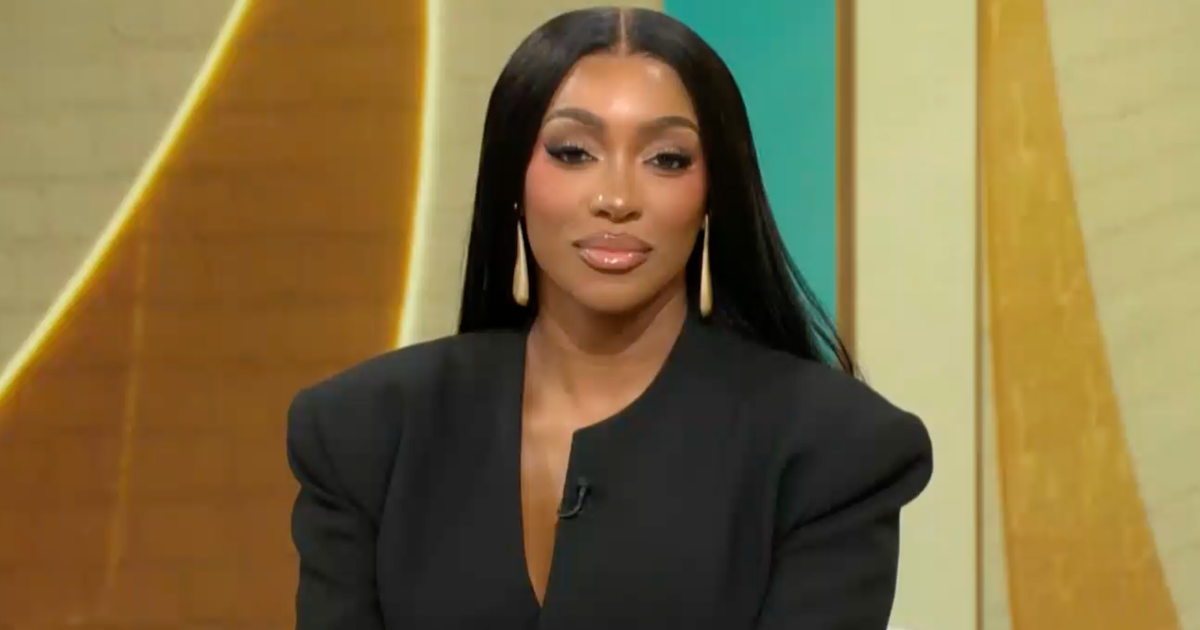

Reality TV star Porsha Williams has opened up about her recent health scare involving uterine fibroids, revealing an emergency partial hysterectomy. In a candid interview, she shared her journey and the struggles she faced with fertility issues and health challenges in her 40s. Williams aims to raise awareness among women about the importance of advocating for their health, urging others to take charge of their wellness, especially regarding gynecological concerns.
| Article Subheadings |
|---|
| 1) The Discovery of Uterine Fibroids |
| 2) The Impact of Fibroids on Williams’ Life |
| 3) Emergency Surgery and Its Aftermath |
| 4) Raising Awareness About Women’s Health |
| 5) The Importance of Self-Advocacy |
The Discovery of Uterine Fibroids
Porsha Williams began her health journey with the discovery of uterine fibroids in her late 20s. Fibroids, benign tumors that develop in the uterus, can cause various symptoms, including heavy menstrual bleeding and pain. Williams first learned about her condition while trying to conceive, when a doctor conducted further examinations following her initial pregnancy. During this visit, she was informed about the presence of fibroids, including one quite large fibroid that ultimately led to complications during her pregnancy. The experience was alarming and unexpected, as she had previously been unaware of such a condition.
The Impact of Fibroids on Williams’ Life
The diagnosis of fibroids deeply affected Williams’ personal life and family planning decisions. She experienced several symptoms she initially attributed to normal aging, such as irregular menstrual cycles, debilitating migraines, and significant fatigue. Reflecting upon her experiences, she noted that these symptoms could easily be misinterpreted, particularly by women entering perimenopause in their 40s. Throughout her journey, Williams faced emotional and physical challenges as she navigated her fertility issues, leading to a tragic miscarriage attributed to the fibroids surpassing the growth of her developing baby during pregnancy. This experience was a profound loss for her, yet she ultimately welcomed her daughter, Pilar, in 2019, bringing some joy amidst her struggles.
Emergency Surgery and Its Aftermath
This year, in a shocking turn of events, Williams faced another health crisis when she learned that her fibroids had returned and multiplied significantly. During a visit to a fertility clinic to support a friend, she seized the opportunity to undergo a medical exam herself. The results indicated that she had developed an alarming number of fibroids—21 in total—one of which was the size of a cantaloupe. The medical team quickly recommended an MRI, and within weeks, Williams underwent an emergency partial hysterectomy in May 2023. This drastic measure was necessary to prevent more serious health complications. The situation unfolded dramatically, with Williams recalling, “It all happened so fast. It really didn’t hit me until I woke up in the hospital bed.” Her recovery journey began as she processed these sudden changes to her body and health.
Raising Awareness About Women’s Health
In the aftermath of her surgery, Williams decided to share her story in hopes of encouraging other women who might be experiencing similar issues. She emphasized the significance of awareness regarding uterine fibroids and the many potential health challenges women may face throughout their lives. The discussion surrounding women’s health conditions is often stigmatized, leading to a lack of open conversations. Williams’ openness about her struggles sheds light on various women’s health topics that can often fall under the radar. “We have to stop diagnosing ourselves,” she stressed, urging women to prioritize their reproductive health and maintain regular check-ups with their healthcare providers.
The Importance of Self-Advocacy
Williams’ message reinforces the necessity of self-advocacy in healthcare, especially for women. Many women may overlook or dismiss their symptoms, thinking they are merely part of the aging process or common complaints. Williams expressed how crucial it is for individuals to voice their concerns and push for medical investigations when experiencing unusual symptoms. In her case, it was pivotal for her to initiate conversations about her fibroids, as she realized that being proactive in her health care was essential in receiving appropriate treatment. “If I saw somebody like me sitting here talking about fibroids, it would have clicked to ask for it. I had to ask my doctor to check for fibroids after something was wrong,” she remarked, illustrating her point effectively and inspiring others to follow suit.
| No. | Key Points |
|---|---|
| 1 | Porsha Williams underwent an emergency partial hysterectomy due to severe uterine fibroids. |
| 2 | She had been experiencing symptoms related to fibroids for several years without understanding their significance. |
| 3 | Her journey emphasizes the importance of women advocating for their health issues and seeking medical attention. |
| 4 | Williams aims to educate women on the potential health risks of fibroids and the need for regular medical check-ups. |
| 5 | She urges women to be proactive and voice their health concerns to ensure they receive proper care. |
Summary
Porsha Williams’ candid sharing of her personal health struggles surrounding uterine fibroids highlights critical issues regarding women’s health. Her story serves as a strong reminder of the importance of self-advocacy and the ongoing education needed about reproductive health. As she navigates the emotional and physical challenges of health-related issues, Williams aims to inspire other women to prioritize their well-being and actively participate in their healthcare decisions.
Frequently Asked Questions
Question: What are uterine fibroids?
Uterine fibroids are non-cancerous growths that develop in the muscular wall of the uterus. They can vary in size and may cause a range of symptoms, such as heavy menstrual bleeding, pelvic pain, and reproductive issues.
Question: What can be done about fibroids?
There are various treatment options available for fibroids, including medication to manage symptoms, non-invasive procedures such as uterine fibroid embolization, and surgical options like a hysterectomy, depending on the severity of the fibroids and the patient’s health circumstances.
Question: How can women advocate for themselves in healthcare?
Women can advocate for themselves in healthcare by being informed about their health, conducting research on their symptoms, and openly communicating with their healthcare providers about their concerns and treatment options.
