

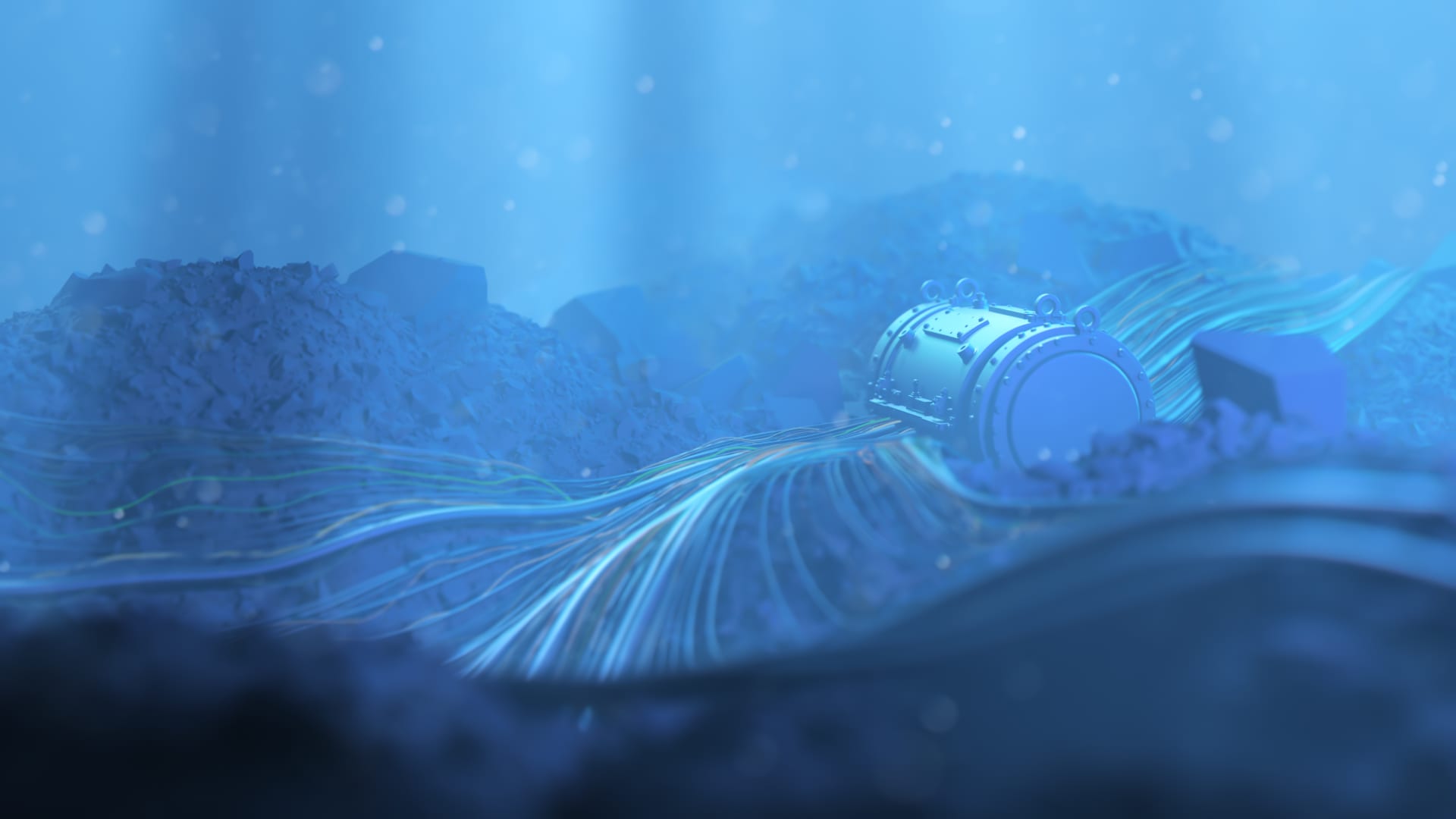

As the landscape of global conflict evolves, companies and governments are increasingly focusing on the potential threats posed not only in the air but also beneath the waves. The growing necessity to protect underwater infrastructure has created an urgent demand for innovative technologies, especially in light of recent incidents highlighting vulnerabilities in critical systems like submarine cables and pipelines. The shift toward strengthening maritime defenses underscores a broader concern regarding hybrid warfare, which encompasses tactics ranging from cyberattacks to physical sabotage.
The world is witnessing significant investments in underwater technology, encompassing autonomous vehicles and advanced surveillance systems. Experts suggest that this domain is emerging as the next logical frontier for defense strategies, as nations are compelled to adapt to the threats posed by modern warfare. These developments are crucial, given the interconnectedness of global economies, which depend heavily on the security of the infrastructure lying beneath the sea.
| Article Subheadings |
|---|
| 1) The Emergence of Underwater Warfare Technologies |
| 2) Historical Precedents and Recent Incidents |
| 3) Innovative Developments in Autonomous Underwater Vehicles |
| 4) The Challenges of Underwater Security |
| 5) Balancing Private and National Interests in Maritime Security |
The Emergence of Underwater Warfare Technologies
A noticeable shift is occurring in military and corporate strategies as nations and companies recognize the importance of underwater technology. The trend is driven by growing concerns over the security of critical infrastructure that traverses the sea bed, such as fiber-optic cables and energy pipelines. These vulnerabilities have prompted a surge in funding towards developing sophisticated technologies aimed at monitoring and protecting these assets.
Experts, including Katja Bego, a senior research fellow at Chatham House, emphasize that advancements in artificial intelligence and autonomous systems are paving the way for new methodologies in underwater surveillance. She highlights that the convergence of these technologies enables innovative approaches that have previously been unattainable. The expansion of investments in autonomous underwater vehicles (AUVs) is part of a broader strategy to improve monitoring capabilities over these vital infrastructures, which are crucial to the global economy.
Historical Precedents and Recent Incidents
The urgency for enhanced underwater surveillance gained explicit momentum following specific incidents, most notably the Nord Stream pipeline explosion in September 2022. This incident confirmed fears about the vulnerability of underwater systems, spotlighting issues that had previously been overlooked since the Cold War era. Investigations into the ruptured pipelines revealed that they had been deliberately sabotaged, which raised alarm bells among governments worldwide regarding their underwater infrastructure.
As articulated by Bego, the rapid advancement in hybrid warfare tactics such as cyberattacks and disinformation campaigns has underscored a new reality: nations can no longer afford to neglect the maritime domain. Apart from the Nord Stream case, reports of damaged underwater infrastructure in regions like the Arctic and Taiwanese waters have heightened the sense of urgency. These emerging threats highlight the pressing need for nations to reevaluate their security measures concerning their vast underwater environments, which encompass over 1.5 million kilometers of operational submarine communications cables internationally according to TeleGeography, a telecommunications research firm.
Innovative Developments in Autonomous Underwater Vehicles
Defense companies are increasingly turning their attention toward autonomous underwater vehicles (AUVs) as essential components in safeguarding underwater infrastructure. For instance, the German-based defense tech company Euroatlas has developed a vehicle known as the GrayShark, which operates independently to carry out various missions. This AUV shows an ability to navigate to designated areas, avoiding obstacles and performing tasks such as pipeline inspections without constant human oversight. If it encounters an unexpected object, such as a mine, it can report back and await further instructions.
This vision of using fleets of autonomous vehicles for continuous surveillance highlights the efficiency of AUVs over traditional surveillance methods involving manned vessels. Verineia Codrean, chief strategy and partnerships officer at Euroatlas, elaborated on the scale of the ocean, asserting that conventional patrols are economically unsustainable. She notes that while technologies are changing, it requires significant strategic adaptation to maintain security across the extensive oceanic landscape. In this context, AUVs provide a feasible solution for increased vigilance in strategic underwater zones.
The Challenges of Underwater Security
Despite the ongoing advancements in underwater surveillance technology, significant challenges remain. One of the fundamental issues is the sheer scale of underwater infrastructure, making it virtually impossible to monitor every inch of these areas effectively. Experts like Bego caution that no organization can realistically offer full protection over vast networks stretching across millions of kilometers. With most underwater infrastructure being owned by private entities, defining the responsibilities for protection becomes complex.
The recent challenges are compounded by a lack of clarity surrounding who should be accountable for ensuring the security of these underwater assets. Traditional maintenance practices by private companies often focused on accidental damage rather than deliberate threats, necessitating increased governmental involvement in national security discussions. Ultimately, the need for a more robust protective framework is clear, with many experts advocating for closer collaboration between government entities and private sector infrastructure owners.
Balancing Private and National Interests in Maritime Security
As the architecture of maritime security evolves, so too does the interplay between private companies and national governments in protecting underwater infrastructure. The increasing incidence of deliberate acts against these systems urges a reevaluation of investment strategies. Governments are now pushing for enhanced security measures, such as deeper cable burial, innovative sensors, and continuous monitoring systems, yet funding these enhancements raises pressing questions regarding accountability and economic viability.
The ongoing dialogue around investment also acknowledges the interest shown by other nations in underwater capabilities. With notable expenditures from countries like Russia and China to enhance their underwater domains, the competitive landscape appears more dynamic. This growing investment should compel national governments to act cohesively, engaging with infrastructure owners to collaboratively improve security. It is clear that technological advancement, while critical, does not resolve the comprehensive challenges related to underwater security alone.
| No. | Key Points |
|---|---|
| 1 | Nations are investing in underwater technologies due to heightened vulnerabilities in marine infrastructure. |
| 2 | Recent events, such as the Nord Stream pipeline sabotage, reveal the need for improved maritime security. |
| 3 | Advanced autonomous underwater vehicles, such as Euroatlas’s GrayShark, are pivotal for monitoring coastal zones. |
| 4 | Defining responsibility for underwater infrastructure protection remains a significant challenge between private and public sectors. |
| 5 | International competition is intensifying, with various nations looking to expand their underwater capabilities. |
Summary
The evolution of underwater warfare technologies reflects a pivotal transformation in national defense strategies focused on securing marine infrastructure. As concerns grow regarding the vulnerabilities of critical submarine systems, both governments and private enterprises are increasingly prioritizing investments in this domain. Advancements in autonomous systems provide promising solutions for enhancing maritime security. However, significant challenges remain, particularly around defining responsibilities and ensuring cooperation between stakeholders. The current climate underscores the importance of acknowledging and addressing state and national interests as they pursue protection against emerging threats in the underwater domain.
Frequently Asked Questions
Question: What are autonomous underwater vehicles (AUVs)?
AUVs are unmanned underwater vessels designed to operate independently to perform tasks such as surveillance, inspection, and monitoring of underwater infrastructure. They are critical for modern underwater security due to their efficiency and ability to cover vast areas.
Question: Why is underwater infrastructure so vulnerable to sabotage?
Underwater infrastructure, including pipelines and communication cables, is particularly vulnerable due to its often unmonitored and isolated nature. Deliberate acts of sabotage, such as the Nord Stream pipeline incident, have revealed these vulnerabilities, prompting greater focus on security measures.
Question: How do governments and private companies collaborate to enhance maritime security?
Governments are increasingly working alongside private companies that own underwater infrastructure to establish stronger security measures. This collaboration aims to address the challenges posed by deliberate sabotage and ensure better maintenance and investment in protective technologies.
