

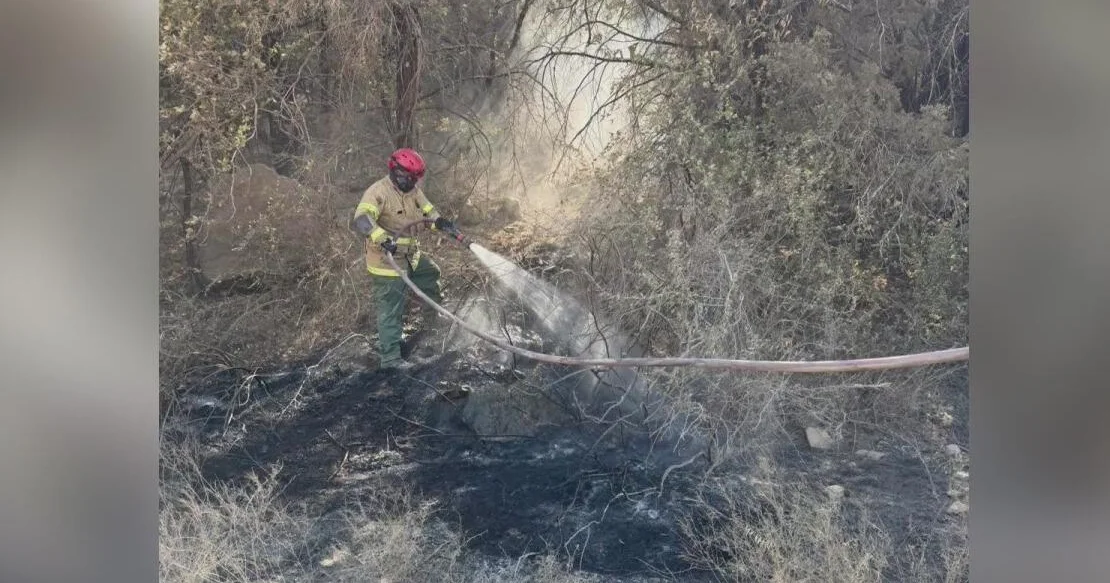

A significant wildfire named the Ross Fire, which ignited on August 24 near Ross in Palo Pinto County, has caused extensive damage, affecting nearly 90,000 acres and leading to the destruction of over 150 structures. Although the fire has been officially declared 100% contained as of September 16, the aftermath continues to impact local communities, including evacuations and school disruptions in nearby regions. As the second-largest wildfire in North Texas history, the Ross Fire has highlighted ongoing concerns about the region’s wildfire risk due to dry conditions and lack of rain.
| Article Subheadings |
|---|
| 1) Overview of the Ross Fire Incident |
| 2) Areas Affected and Evacuation Orders |
| 3) Recovery and Support for Livestock and Pets |
| 4) Impact on Local Infrastructure and Services |
| 5) Factors Contributing to Increased Wildfire Risk |
Overview of the Ross Fire Incident
The Ross Fire originated near U.S. Highway 180 and FM 919 in Palo Pinto County, igniting just before 1:30 p.m. on August 24, 2023. Initial estimates placed the size of the fire at 25 acres, but it rapidly expanded over the following days due to dry conditions and high winds. By the time firefighters had it contained, the blaze had scorched approximately 90,000 acres across both Palo Pinto and Jack counties, marking it as one of the most significant wildfires in the region’s history. The Texas A&M Forest Service reported that while the fire has reached containment, its destructive impact has altered life for many residents.
The firefighting efforts were bolstered by various agencies, including the Texas Intrastate Fire Mutual Aid System (TIFMAS) and local crews, who utilized dozers and aircraft in their attempts to control the flames. Despite the concerted efforts, the fire destroyed over 150 structures, with a significant number of homes being lost to the flames. Fortunately, no lives were lost, and evacuation measures ensured that residents were moved to safety, although widespread property damage raised concerns about the recovery ahead.
Areas Affected and Evacuation Orders
The wildfire triggered extensive evacuation orders for residents in Jack County, particularly along County Road 2210 toward Highway 281. Mandatory evacuations were put into place on August 25 but were lifted the following day as firefighters managed to gain control over the flames. The impact on local communities extended beyond immediate safety concerns; local schools were also affected, resulting in operational delays and cancellations. On August 25, Jacksboro ISD delayed the start of the school day by two hours, while Perrin CISD canceled classes for that day altogether.
Moreover, Jack County Emergency Management instructed Bryson ISD and Graford ISD to cancel classes on August 26 as authorities continued to assess the situation. The swift response to evacuate affected areas aimed to prevent any potential tragedies but also illustrated the chaos and disruption wildfires can cause. While affected residents began returning home to heal from the physical losses, officials continue to monitor activities to ensure safety as pockets of fire remained active in Palo Pinto County.
Recovery and Support for Livestock and Pets
In addition to the residential destruction, the Ross Fire also posed considerable risks to livestock. The Graham Livestock Commission swiftly stepped in, offering temporary shelter for displaced animals at the Old Mineral Wells Sale Barn, ensuring that livestock owners had a safe haven while they navigated the aftermath of the fire. Many local ranchers faced significant hardships as their grazing lands were destroyed, and assistance in relocating their livestock was crucial to their recovery.
The Humane Society of North Texas played an important role in the rescue efforts as well, coordinating with local shelters to facilitate the safe transfer of pets displaced by the fire. On August 26, they prepared to bring in 12 dogs and 26 cats from the Mineral Wells Animal Shelter that were at risk of overcrowding due to the influx of lost pets. These operations showcased the solidarity of communities in the face of disaster, with non-profits and local government working together to safeguard both animals and the people who love them.
Impact on Local Infrastructure and Services
As the fire spread and then was contained, local infrastructure and services faced critical impacts. Roads that were once vital for transportation, such as U.S. Highway 180, experienced closures to facilitate firefighting efforts and ensure the safety of the public. After the fire was brought under control, the highway reopened to traffic, marking a crucial step for residents returning from evacuation.
Educational institutions also adapted quickly, resuming operations as soon as it was deemed safe. By August 31, almost all school districts in the surrounding areas had returned to their usual schedules. However, the echoes of disruption remained, as schools and local businesses sought to recover and rebuild from the loss incurred during the chaotic weeks. The local economy felt the repercussions of both the fire’s impact and the subsequent disruption, calling for community resilience and support as they moved forward.
Factors Contributing to Increased Wildfire Risk
Underlying the rapid development and escalation of the Ross Fire are significant environmental factors that contribute to heightened wildfire risks across North Texas. Extended periods without measurable rainfall have left vegetation critically dry, making it more susceptible to ignition from natural causes or human activities. The National Weather Service has warned of elevated wildfire conditions across multiple regions, with dry winds further fanning any flames that ignite.
Residents have been urged to exercise extreme caution, particularly when engaging in outdoor activities that could generate sparks or open flames. The conditions in Palo Pinto and surrounding areas reflect a growing trend in wildfire susceptibility, serving as a stark reminder of the need for community preparedness and environmental awareness as climate contrasts continue to evolve.
| No. | Key Points |
|---|---|
| 1 | The Ross Fire has burned approximately 90,000 acres in North Texas. |
| 2 | More than 150 structures were destroyed, prompting evacuations in affected areas. |
| 3 | Evacuations were lifted as firefighting efforts improved conditions in Jack County. |
| 4 | Local communities are actively working to support displaced livestock and pets. |
| 5 | Dry vegetation and lack of rainfall are factors contributing to current wildfire risks in the region. |
Summary
The Ross Fire serves as a critical example of the challenges facing communities in North Texas dealing with wildfire threats. With extensive damage to property, infrastructure, and the environment, the road to recovery is laden with obstacles. However, the swift action by local authorities, community organizations, and residents highlights the resilience inherent in the face of adversity. As recovery efforts progress and lessons are learned, the situation continues to emphasize the growing need for preparedness against future wildfire risks and a collective commitment to safeguarding the environment.
Frequently Asked Questions
Question: What is the Ross Fire?
The Ross Fire is a significant wildfire that ignited near Ross in Palo Pinto County, Texas, on August 24, 2023, burning approximately 90,000 acres before being fully contained.
Question: How many structures were destroyed in the Ross Fire?
The wildfire resulted in the destruction of over 150 structures, including homes, as it spread throughout the region.
Question: What factors increase the risk of wildfires in North Texas?
Factors such as dry vegetation, a prolonged absence of rainfall, and gusty winds contribute to elevated wildfire risks in North Texas, leading to quick propagation of fires once ignited.
