

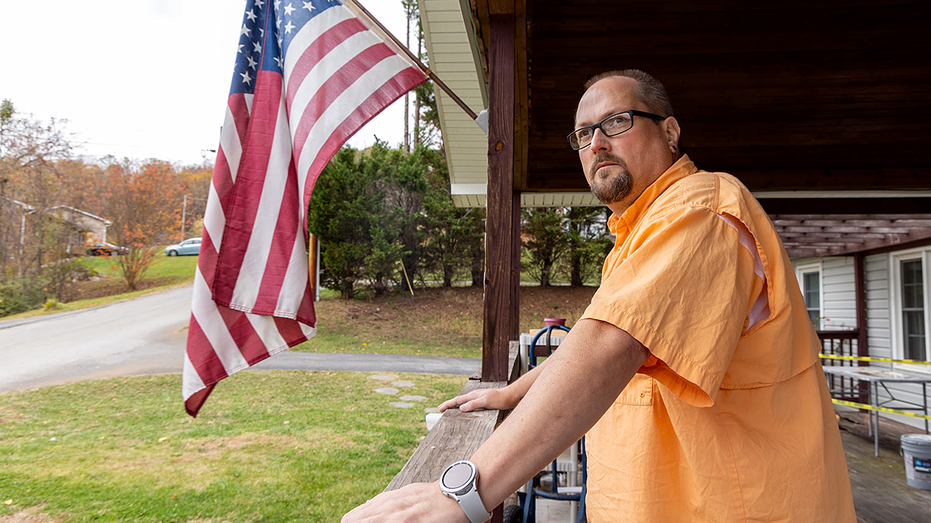

Joshua Gibbons is suing the city of Kingsport, its police chief and officers after he was arrested in a pre-dawn raid following his criticism of a police officer. Gibbons had filmed a police SUV allegedly speeding without lights or sirens and later posted the footage online. His criminal conviction was ultimately overturned, and the remaining disorderly conduct charge was dismissed by Tennessee’s Court of Criminal Appeals. The lawsuit alleges that the arrest violated his First Amendment rights to film, criticize and publish material about police activity.
| 1) | The traffic stop criticism and online video |
| 2) | The investigation and arrest warrant |
| 3) | The pre-dawn raid at the family home |
| 4) | The criminal cases and appellate ruling |
| 5) | The civil lawsuit and broader First Amendment claims |
The traffic stop criticism and online video
In October 2022, Joshua Gibbons recorded a Kingsport Police Department SUV traveling at speed at night without its lights or siren activated. The lawsuit alleges that the driving violated department policy and state law. Gibbons followed the vehicle to a fast-food drive-through and briefly confronted the officer while recording the interaction.
According to the legal advocacy group representing Gibbons, the officer did not arrest him or treat the exchange as a crime at the time. Gibbons regularly uploaded videos of officers performing their duties, saying the recordings helped hold law enforcement accountable. He later posted footage that included an officer making an offensive hand gesture toward him.
The investigation and arrest warrant
The lawsuit alleges that a citizen complaint about the officer prompted the department to review Gibbons’ YouTube channel. Investigators found the video showing the police vehicle’s driving, but the complaint says the department focused on potential charges against Gibbons rather than disciplining the officer shown in the footage.
Within two hours of learning about the video, authorities allegedly obtained an arrest warrant charging Gibbons with speeding, using a cellphone while driving and disorderly conduct. The legal group says the warrant was issued through a court clerk rather than a judge. Its senior attorney, Adam Steinbaugh, argued that the timing showed the department acted only after the video was posted publicly and embarrassed officials.
“The First Amendment protects the right not only to criticize and film police, but also to post it online.”
The pre-dawn raid at the family home
Nine days after Gibbons filmed and criticized the officer, eight armed officers arrived at his home just before dawn. Security and cellphone footage captured the officers entering the residence and arresting him in front of his elderly mother and daughter.
Gibbons said the raid left his family feeling unsafe and described it as an attempt to intimidate him. The lawsuit claims the scale and timing of the operation were disproportionate to the allegations and were intended to make an example of someone who publicly criticized police conduct.
“They tried to intimidate me, but I’m not backing down.”
The criminal cases and appellate ruling
Gibbons faced two trials over nearly four years. At the first trial, a judge acquitted him of the speeding and cellphone charges but found him guilty of disorderly conduct, citing the way he spoke to the officer. After Gibbons appealed to the county circuit court, a jury also found him guilty of disorderly conduct.
In June, Tennessee’s Court of Criminal Appeals unanimously overturned that verdict and dismissed the remaining charge. The court found no evidence that Gibbons’ criticism prevented anyone from carrying out a lawful activity. It also said he had not threatened anyone, engaged in violence or created a physically offensive or hazardous condition. The court noted that profane or insulting words alone generally do not constitute a crime, particularly when directed at police officers trained to exercise heightened restraint.
The civil lawsuit and broader First Amendment claims
A civil lawsuit filed in 2023 names the city of Kingsport, the police chief and involved officers as defendants. The complaint alleges violations of Gibbons’ First Amendment rights, including the rights to record police activity, criticize officers and share the recordings online.
The case became public after Gibbons succeeded in overturning his conviction and having the remaining charge dismissed. Adam Steinbaugh said the lawsuit seeks accountability and possible reforms within the department. He also said the case carries a broader message for law enforcement agencies: officers must tolerate both fair and unfair criticism, rather than using criminal investigations to suppress protected speech. Kingsport Police did not provide a response before publication.
| 1 | Gibbons filmed a Kingsport police SUV allegedly speeding without lights or sirens in October 2022. |
| 2 | Authorities obtained an arrest warrant after reviewing his online videos, according to the lawsuit. |
| 3 | Eight officers arrested Gibbons at his home before dawn, in front of family members. |
| 4 | Tennessee’s Court of Criminal Appeals overturned his disorderly conduct conviction and dismissed the charge. |
| 5 | The civil case alleges that the police response violated Gibbons’ First Amendment protections. |
Summary
The lawsuit centers on whether Kingsport police used criminal enforcement to retaliate against a resident who recorded and criticized an officer. The appellate ruling removed Gibbons’ criminal liability, while the civil case now seeks accountability for the arrest, raid and investigation. Its outcome could clarify how courts assess police responses to online criticism and public recording of law enforcement activity.
Frequently Asked Questions
What led to Joshua Gibbons’ arrest?
Gibbons was arrested after posting video of a Kingsport police SUV allegedly speeding without lights or sirens and criticizing the officer involved. Authorities charged him with speeding, cellphone use while driving and disorderly conduct.
What happened to the criminal charges?
A judge acquitted Gibbons of the speeding and cellphone charges, but he was convicted of disorderly conduct. Tennessee’s Court of Criminal Appeals later overturned that conviction and dismissed the charge.
What does the civil lawsuit allege?
The lawsuit alleges that Kingsport, the police chief and officers violated Gibbons’ First Amendment rights by targeting him for filming, criticizing and publishing material about police conduct.
