

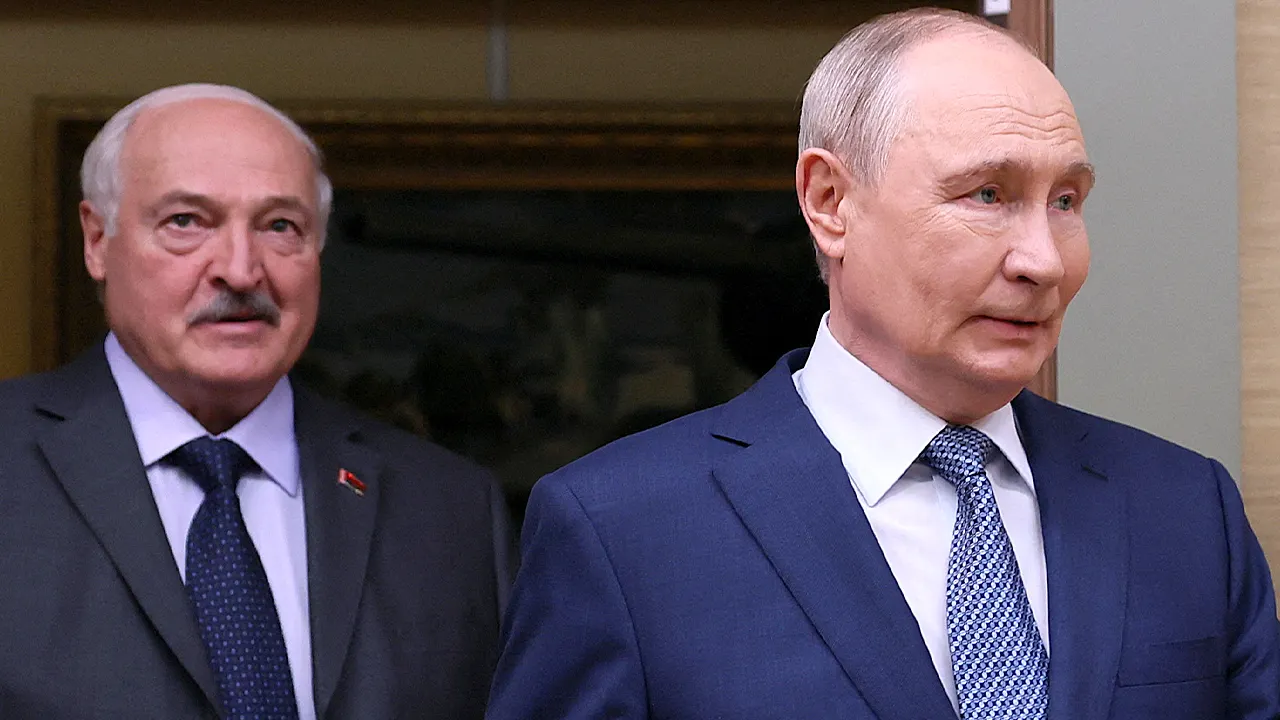

Belarusian President Alexander Lukashenko has made headlines following his recent speech to youth leaders in Minsk, where he humorously asserted his status as a dictator alongside Russian President Vladimir Putin. The remarks highlight the strong ties between Belarus and Russia, particularly as they navigate ongoing tensions with the West. Since taking power in 1994, Lukashenko has maintained an unyielding grip on Belarus, making him Europe’s longest-serving leader. This article delves into the comments made by Lukashenko, the intricate relationship between Belarus and Russia, and the context of their interactions as geopolitical tensions continue to escalate.
| Article Subheadings |
|---|
| 1) Historical Context of Lukashenko’s Rule |
| 2) The Nature of Belarus-Russia Relations |
| 3) Implications of Recent Events on Global Politics |
| 4) Domestic Challenges and Future Prospects for Belarus |
| 5) Summary of Key Observations |
Historical Context of Lukashenko’s Rule
Since Alexander Lukashenko ascended to power in 1994, he has been a controversial figure, often described as the last dictator of Europe. His leadership style has been marked by authoritarianism, curtailing political freedoms, controlling the media, and suppressing dissent. Lukashenko’s rule has endured through a blend of state control and populism, positioning himself as a stalwart defender of Belarusian sovereignty against foreign influence.
His governance has undergone significant scrutiny from international observers and human rights organizations. Despite frequent electoral victories, many Western nations view these elections as heavily manipulated, undermining their legitimacy. In the context of Belarus’s political landscape, it’s pertinent to note that Lukashenko’s hold on power was notably solidified during the political upheaval of 2020, when mass protests erupted following accusations of electoral fraud. The government’s subsequent crackdown on dissent underscored the lengths to which Lukashenko would go to maintain control.
The Nature of Belarus-Russia Relations
The relationship between Belarus and Russia is deeply entrenched, characterized by economic, strategic, and military ties. Belarus, under Lukashenko, has often acted as a staging ground for Russian military operations, particularly amid the conflict in Ukraine. While Belarusian troops have not officially engaged in the conflict, the country has facilitated Russian forces by allowing them to launch operations from its territory. This alliance has been mutually beneficial, with Russia providing economic subsidies to Belarus, helping to bolster its economy amid Western sanctions.
Additionally, the increase in military cooperation has raised alarms among Western nations. Reports suggest that Belarus has played a crucial role in the logistics of Russian military campaigns, providing vital resources and serving as a strategic buffer for Russian operations. For Lukashenko, maintaining a close relationship with Russia not only reinforces his position domestically but also helps counterbalance Western pressure. The informal camaraderie and joking about their shared leadership styles are indicative of a political partnership that goes beyond mere alliance, suggesting a shared vision for their nations’ futures.
Implications of Recent Events on Global Politics
Lukashenko’s remarks regarding his relationship with Putin come against the backdrop of significant global tension. As Western nations impose sanctions against Russia for its aggression in Ukraine, Belarus finds itself increasingly aligned with Moscow, often at odds with Western values and interests. This alignment has drawn criticism from various sectors, especially as Belarus houses Russian strategic assets and allows for military operations that threaten regional stability.
The dynamic between these two leaders also complicates the geopolitical landscape of Eastern Europe. This relationship could embolden more aggressive moves from Russia, as it seeks to exert its influence across the region. The ongoing economic pressures and potential military collaborations have caused unease among neighbors, prompting discussions on collective security measures and strategies for countering what is perceived as a growing authoritarian threat.
Domestic Challenges and Future Prospects for Belarus
Despite the apparent stability of his regime, Lukashenko faces considerable challenges at home. The political landscape is fraught with dissent as citizens grow increasingly weary of authoritarian rule and economic hardships exacerbated by sanctions. The economic situation in Belarus has been strained; while revenues from exports such as potash provide some relief, international isolation remains a significant hurdle.
Moreover, the absence of a clear succession plan raises concerns about the future of Belarus should Lukashenko’s grip on power weaken. In his recent address, Lukashenko himself admitted the complexity of succession, noting, “If you are capable today of taking over the country and holding on to it… I cannot yet answer that question positively.” This uncertainty could set the stage for instability if political or economic crises arise, igniting public dissent or challenges from within his own ranks.
Summary of Key Observations
Lukashenko’s jesting remarks about his and Putin’s dictatorial status reflect deeper ties between Belarus and Russia, showcasing a unified front against Western pressures. The recently renewed focus on military cooperation has raised geopolitical concerns, as the implications of their alliance extend beyond their borders. As foreign relations become increasingly strained, the resilience of Lukashenko’s regime may be tested in the face of domestic and international challenges. The potential for future instability remains high unless there is a significant shift in governance or economic policy.
| No. | Key Points |
|---|---|
| 1 | Alexander Lukashenko has ruled Belarus since 1994, making him Europe’s longest-serving head of state. |
| 2 | The relationship between Belarus and Russia is characterized by military collaboration and economic interdependence. |
| 3 | Lukashenko’s recent comments highlight the humor in how he and Putin view their leadership styles and the geopolitical climate. |
| 4 | Western nations have maintained pressure on Russia and Belarus, complicating their international standing. |
| 5 | The lack of a clear succession plan and internal dissent poses significant challenges for Lukashenko’s regime. |
Summary
In summary, Alexander Lukashenko‘s comments regarding his role alongside Vladimir Putin illustrate not only the jest at their dictatorial statuses but also the serious implications of Belarus’s alignment with Russia amid growing tensions with the West. As global pressures mount, Lukashenko’s grip on power faces challenges from both internal dissent and international scrutiny. The durability of this political partnership will be crucial for the future stability of Belarus and its relations with neighboring countries, further contributing to the evolving geopolitical narrative in Eastern Europe.
Frequently Asked Questions
Question: What challenges does Belarus face under Lukashenko’s rule?
Belarus faces numerous challenges, including economic sanctions from the West, limited political freedoms, and growing public dissent due to authoritarian practices. These issues create a volatile socio-political climate that could threaten Lukashenko’s power.
Question: How does the relationship between Belarus and Russia impact regional security?
The close relationship facilitates military cooperation and strategic positioning, which raises concerns among neighboring countries about potential aggression from both Belarus and Russia. This partnership complicates efforts to maintain stability in Eastern Europe.
Question: What future prospects exist for Lukashenko’s regime?
Future prospects depend on internal factors like political succession and public sentiment, as well as external pressures from Western nations. Should dissent continue to rise or economic conditions worsen, it could lead to instability in the region.
