

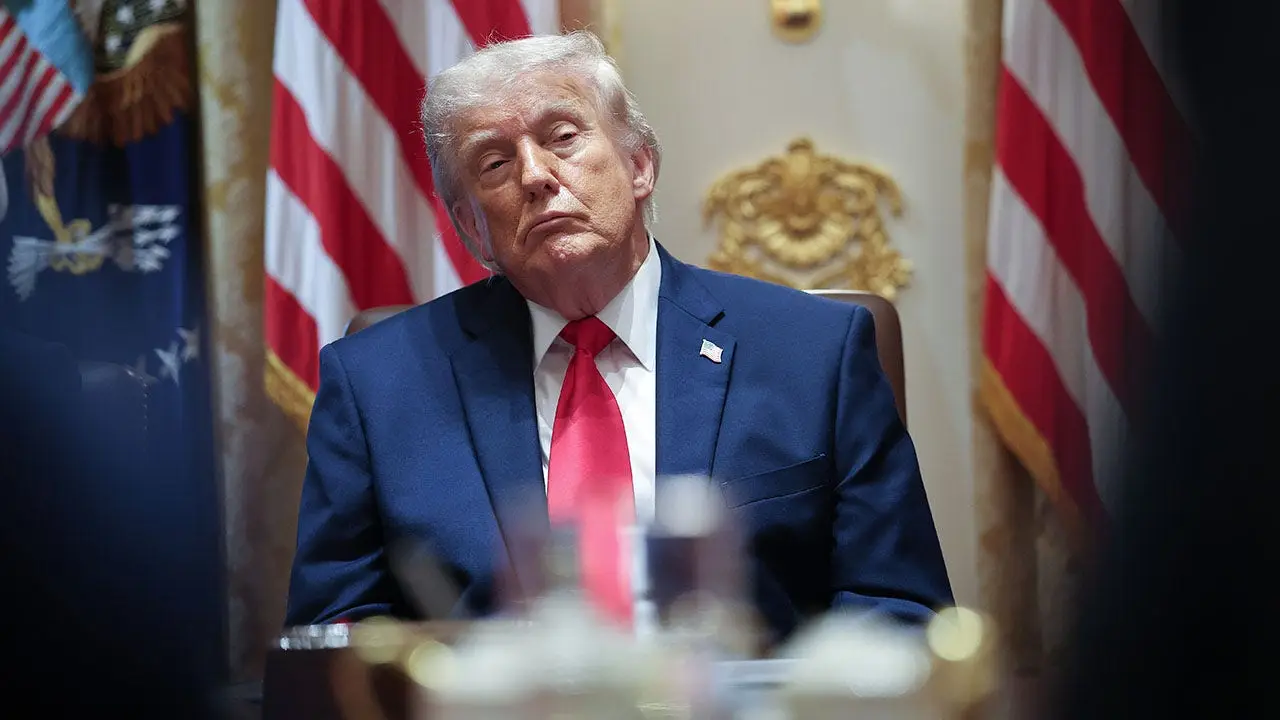

Concerns over technological vulnerabilities and disruptions have escalated in recent weeks, causing widespread anxiety among the American public. A series of significant outages have led to questions regarding the reliability of crucial infrastructure systems and the government’s ability to address these challenges. Amid these disturbances, officials have attempted to reassure citizens, but mixed messages and ongoing threats from hacking incidents have fueled uncertainty.
| Article Subheadings |
|---|
| 1) Rising Anxieties Amidst Technological Outages |
| 2) Government Response to Public Concerns |
| 3) Critiques of Leadership Amidst Crisis |
| 4) Cybersecurity Challenges and Implications |
| 5) Public Sentiment and Cultural Observations |
Rising Anxieties Amidst Technological Outages
Recently, the United States has witnessed a surge in technological outages affecting various sectors, causing public anxiety to soar. Citizens across the nation report a sense of vulnerability regarding crucial systems and infrastructure. These feelings have manifested in increased preparedness measures, including stocking up on essential supplies, as many fear further disruptions could impact their daily lives. This sentiment hearkens back to previous periods of societal unrest and governmental ineffectiveness, highlighting a growing apprehension regarding present-day vulnerabilities.
In order to contextualize this surge in anxiety, one must consider the complexity of modern technology and its pervasive influence across numerous aspects of daily life. From banking systems to air traffic control, these interconnected networks are vital for smooth operations and public security. The recent outages prompted alarm across media platforms and social discussions, raising questions about the state of America’s infrastructure and the ability of relevant officials to protect it.
Government Response to Public Concerns
In response to the mounting public concern, various government officials have sought to reassure citizens that the threats posed by these technological glitches are being taken seriously. High-profile figures from the administration have emphasized that the outages are nothing more than an unfortunate byproduct of increasingly interconnected systems in a modern technological landscape.
Notably, the Department of Homeland Security (DHS) has called for calm among citizens, with statements urging the public to “breathe,” asserting that the nation remains secure despite recent interruptions. President Donald Trump downplayed the panic over the disruptions, suggesting that they are not as concerning as speculated. His remarks included a dismissal of heightened fears and calls for citizens to remain composed, actions that have proven to have mixed effectiveness in terms of reassuring a worried public.
However, the administration’s messaging has been criticized for appearing dismissive of serious issues surrounding infrastructure vulnerabilities. Inadequate communication strategies have contributed to an impression of disarray, further heightening public unease. Furthermore, there is a perception that some officials have struggled to grasp the severity of the situation, with implications that their responses may downplay significant underlying issues.
Critiques of Leadership Amidst Crisis
The leadership’s handling of the ongoing crises has drawn scrutiny from multiple perspectives. Various critics have pointed to instances of poor communication and ineffective responses as pivotal failures in reassuring a concerned public. For example, while Secretary of Homeland Security Markwayne Mullin attempted to address the public via the media, his comments often lacked clarity and were received poorly by both the press and the general populace.
One particularly troubling incident noted during his commentary involved an inappropriate statement that expressed uncertainty regarding the potential role of artificial intelligence in the outages. Mullin’s remarks were later compounded by a controversial decision to attend a college football game instead of prioritizing immediate issues that left many Americans stranded at airports during a widespread Federal Aviation Administration (FAA) ground stop.
The confusion surrounding lines of authority during this time has raised concerns over the effectiveness of leadership in navigating such crises. Revelations of behind-the-scenes decision-making have fueled questions about who is truly in charge and the realization that many individuals feel disconnected from coherent responses aimed at addressing citizen concerns. Leadership styles during such crises are critical in establishing trust, and inconsistent messages can lead to further distress among citizens.
Cybersecurity Challenges and Implications
As technological vulnerabilities have come to light, the nationwide response has underscored the serious implications of cybersecurity challenges that the nation faces. Various hacking incidents have raised alarms regarding the state of critical infrastructure and its overall safety. The compromise of information across numerous high-profile entities, along with breaches affecting the National Security Agency, highlights troubling questions about the government’s capability to secure sensitive data and maintain operational integrity.
Experts have noted that compounding threats, including foreign cyberattacks and rogue artificial intelligence networks, exacerbate existing vulnerabilities. The tech landscape’s rapid evolution demands more stringent security measures and architecting resilient infrastructures capable of withstanding attacks. Concerns about cybersecurity resilience have prompted calls for innovative strategies aimed at bolstering defenses—a necessity echoed by technology and infrastructure professionals who strongly advocate for increased investment in such measures.
Public Sentiment and Cultural Observations
Despite the alarming state of infrastructure and widespread outages, a contrasting narrative persists within broader public sentiment. Reports indicate that while fears of technological disruptions are prevalent, many individuals find solace in entertainment and creative media. This dichotomy raises questions about how Americans cope with societal tensions through cultural engagement, as evidenced by the staggering success of video game launches and popular media discussions.
One striking example is the record-breaking sales generated by the release of Grand Theft Auto 6. This phenomenon of cultural engagement showcases the public’s ongoing appetite for entertainment, often outweighing their immediate concerns surrounding infrastructure and technological threats. As cognitive dissonance sets in, Americans continue to indulge in distractions despite a backdrop of unease, suggesting that for many, life carries on even amid fears of substantial failures within the systems they depend upon.
| No. | Key Points |
|---|---|
| 1 | A recent series of technological outages has raised public anxiety and concerns over infrastructure reliability. |
| 2 | Government officials are trying to reassure the public, but their mixed messages have led to further distrust. |
| 3 | Leadership has been criticized for ineffective communication and a lack of urgency in addressing public concerns. |
| 4 | Ongoing cybersecurity challenges indicate vulnerabilities in critical infrastructures and the need for improved protections. |
| 5 | Despite concerns over outages, cultural events like video games continue to capture public interest, illustrating a coping mechanism amid uncertainty. |
Summary
Overall, the ongoing disruptions in the technological realm have illuminated vulnerabilities that challenge both public confidence and leadership efficacy. As individuals grapple with an increasingly complex and unstable technological landscape, government responses will play a crucial role in shaping the narrative going forward. However, the disconnect between the lived experiences of ordinary citizens and assurances from officials demonstrates a pressing need for comprehensive strategies aimed at addressing both technological infrastructure and the rising anxieties of a populace seeking stability amidst uncertainty.
Frequently Asked Questions
Question: What actions are being taken to address the recent technological outages?
Government officials are working to reassure the public by emphasizing that these outages are not indicative of broader vulnerabilities. However, mixed messages and inadequate communication have still left citizens anxious and unsettled.
Question: How are cybersecurity threats impacting public infrastructure?
Recent hacking incidents have raised alarms regarding the safety and resilience of critical infrastructures. Experts are urging increased investments in cybersecurity measures to safeguard against potential future attacks.
Question: Why is there so much public interest in cultural events despite ongoing crises?
Many individuals couple their anxieties with the pursuit of entertainment and cultural experiences, utilizing these avenues as coping mechanisms to distract themselves from the underlying distress associated with societal and technological vulnerabilities.
