

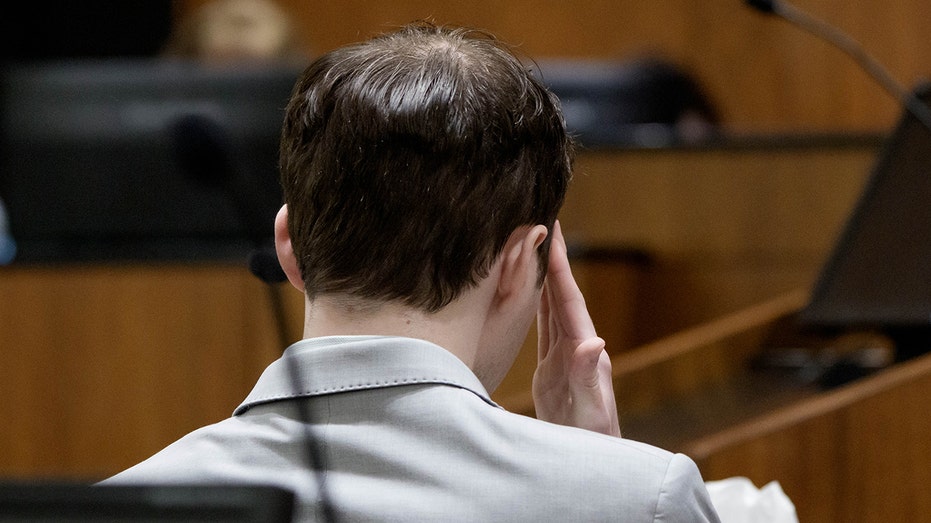

Tyler Robinson’s defense team is asking a Utah judge to pause additional testing of bullet fragments recovered during Charlie Kirk’s autopsy. Prosecutors want the FBI to use virtual comparison microscopy and conduct metallurgical analysis in an effort to connect the fragments to the rifle allegedly used in the shooting. The defense says further handling could damage the evidence before its experts can independently examine it. Prosecutors argue the testing will preserve useful information and will not prevent a later defense review.
Robinson is accused of killing Kirk at Utah Valley University in Orem, Utah, on September 10, 2025. He has pleaded not guilty through his attorneys and could face the death penalty if convicted of aggravated murder.
| 1) | Defense seeks to delay additional testing |
| 2) | Prosecutors defend the proposed examination |
| 3) | Testing could alter the fragments |
| 4) | Experts disagree over the evidentiary risk |
| 5) | The case moves toward a future trial |
Defense seeks to delay additional testing
Robinson’s attorneys want the court to stop the proposed testing until they can examine and photograph the same evidence. They have also asked for permission for a defense expert to observe the work in person or through a video recording. The FBI does not allow such observation in some circumstances because of contamination and national security concerns.
The defense argues that an earlier examination by the Bureau of Alcohol, Tobacco, Firearms and Explosives already altered the evidence. In court filings, the attorneys warned that another round of testing could make independent verification more difficult and limit their ability to challenge expert testimony before a jury.
Prosecutors defend the proposed examination
The Utah County Attorney’s Office has asked the judge to deny the defense motion. Deputy County Attorney Ryan McBride argued that the fragments are not expected to contain evidence favorable to Robinson and that the government’s planned work will not consume them.
Prosecutors say scan data from the examination will be preserved and provided to the defense. They also point to other evidence they expect to present, including three unspent cartridges allegedly consistent with the gunshot, video evidence and a Dremel tool that investigators say is consistent with markings found on brass casings recovered with the rifle.
“There is no reason to believe the bullet fragments contain exculpatory evidence,” prosecutors wrote in their opposition. “To the contrary, all the evidence points to the inculpatory value of the fragments.”
Testing could alter the fragments
The proposed work includes virtual comparison microscopy, a three-dimensional process intended to capture detailed scans of an object. Examiners may need to clean parts of the fragments or fold back warped metal, sometimes called “petals,” to expose markings created when the bullet contacted the rifle’s barrel.
Prosecutors also want metallurgical testing on a bullet jacket fragment and at least one lead fragment. That process may involve cleaning a small area before an X-ray examination. The filings acknowledge that fragments could be damaged or that small pieces could break off, although prosecutors describe the VCM process as non-destructive overall.
Experts disagree over the evidentiary risk
During earlier testing, ATF examiner Samantha Karner cleaned and photographed a jacket fragment before examining its groove impressions. She identified it as being in the .30-caliber class but could not conclusively determine whether it had been fired from the .30-06 Mauser rifle investigators recovered and associate with Robinson.
Former FBI supervisory agent Jason Pack said the inconclusive result explains why prosecutors are seeking a more advanced examination, while noting that the technology cannot restore markings that are absent or too damaged. Former ATF official Bernard Zapor said the defense concerns may be overstated because the initial examination was documented with photographs and other data. He described inconclusive results as not unusual in shootings involving similar-caliber weapons.
“If the markings are too damaged or simply aren’t there anymore, even the best technology can’t bring them back,” Pack said.
The case moves toward a future trial
The shooting occurred during a Turning Point USA public speaking event at Utah Valley University, where Kirk was struck in the neck and killed. Prosecutors say investigators recovered one bullet jacket fragment and four lead fragments during the autopsy.
Robinson’s lawyers have entered not guilty pleas on all charges and previously indicated they would challenge the ATF’s conclusions and methodology. A trial is scheduled for June 2028, while the judge has kept the death penalty available if Robinson is convicted on the top aggravated-murder count. The immediate dispute concerns how the physical evidence should be handled before trial, not whether the court has reached a final conclusion on its significance.
| Number | Key Point |
|---|---|
| 1 | The defense wants additional bullet-fragment testing paused. |
| 2 | Prosecutors say the examination will preserve data and not consume the evidence. |
| 3 | Earlier testing could not conclusively link the fragment to the suspected rifle. |
| 4 | The proposed work may involve cleaning or repositioning parts of the fragments. |
| 5 | Robinson’s trial is scheduled for June 2028, with the death penalty still available. |
Summary
The court must decide whether investigators may conduct additional analysis of bullet fragments before Robinson’s defense can independently inspect them. The ruling could affect how the forensic evidence is presented and challenged, although prosecutors say their broader case does not depend solely on a conclusive fragment-to-rifle match.
Frequently Asked Questions
What is the defense asking the judge to do?
The defense wants the proposed ballistics and metallurgical testing paused until its experts can examine and document the bullet fragments.
What testing do prosecutors want?
Prosecutors want virtual comparison microscopy and metallurgical analysis, along with examination of an unfired .30-06 cartridge recovered from Robinson’s home.
Has the rifle been conclusively linked to the fragments?
No. Earlier ATF testing found the fragment was consistent with a .30-caliber class bullet but neither included nor excluded the recovered rifle as its source.
When is the trial scheduled?
Robinson’s trial is scheduled for June 2028, and he has pleaded not guilty to the charges.
