

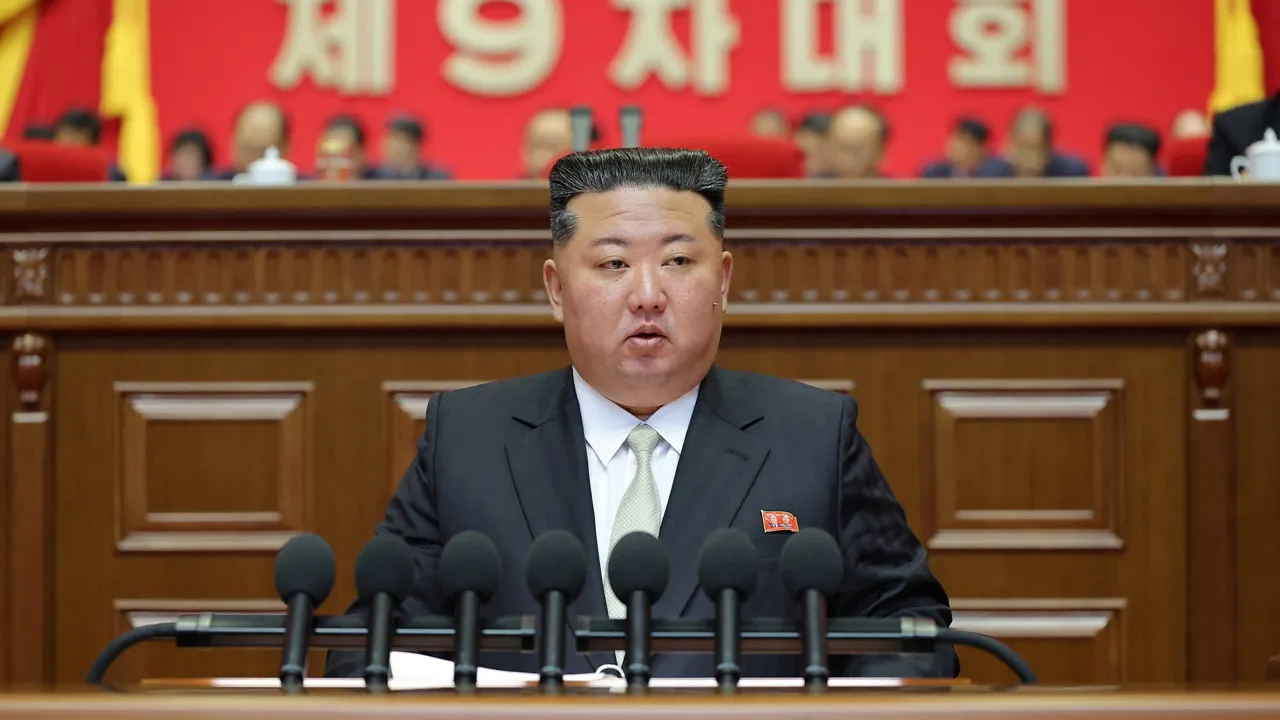

North Korea’s recent missile activity has escalated concerns in the Asia-Pacific region, following a ballistic missile launch on Tuesday. This marks the second missile test within a week, raising alarms about the North’s increasing military provocations. Japan’s government is closely monitoring the situation, while U.S. military forces have stated that they are vigilant and consulting with allies, emphasizing there is no immediate threat to the U.S. or its partners.
| Article Subheadings |
|---|
| 1) Overview of the Recent Missile Launch |
| 2) Regional Reactions to the Launch |
| 3) U.S. Military’s Response and Preparations |
| 4) Implications for North Korea’s Military Strategy |
| 5) Looking Ahead: Future Military Exercises and Relations |
Overview of the Recent Missile Launch
On August 8, North Korea executed another ballistic missile launch, following closely after a similar event on August 5. Japan’s Prime Minister’s Office confirmed the launch but did not immediately disclose critical details regarding the missile’s trajectory, range, or landing location. The rapid succession of these missile tests plays into an established pattern of behavior by the North Korean government under the leadership of Kim Jong Un.
The U.S. military promptly acknowledged the launch and indicated that it is actively monitoring the evolving situation in coordination with its allies in the region. A statement from the U.S. Pacific Command assured that the events do not currently pose an immediate threat to U.S. personnel or territory. Despite the missile launches, officials remain consistent in their communication regarding the defense commitment to both the homeland and allied nations.
Regional Reactions to the Launch
The prevailing mood in East Asia post-launch has been one of concern and heightened alertness. Japanese Defense Minister Shinjiro Koizumi described North Korea’s missile activities as a regional threat, prompting Japan to file a formal protest through diplomatic channels to the North Korean government via their embassy in Beijing.
The urgency of the situation was echoed by South Korea’s military, which has intensified its surveillance efforts and enhanced coordination with both the U.S. and Japanese forces in the wake of the recent launches. South Korea’s security council labeled the missile test a “provocation” in violation of established U.N. Security Council resolutions and called on North Korea to cease such activities immediately.
U.S. Military’s Response and Preparations
In light of these missile tests, the U.S. military is preparing for the Ulchi Freedom Shield exercises, annual joint military drills traditionally held in the latter half of August. These exercises are viewed by North Korea as preparations for potential conflict, and historically, they have often prompted missile tests as a display of military capability.
U.S. Forces Korea stated that the upcoming exercises will incorporate multiple forms of training, including live, virtual, and constructive elements aimed at enhancing the collaborative defense framework among U.S., South Korean, and allied forces. Officials stress that these training activities are defensive and intended to fortify security protocols against a range of potential threats.
Implications for North Korea’s Military Strategy
The series of missile launches serves strategic purposes for North Korea, demonstrating both technical capability and a message of defiance against international pressure. Following the earlier missile tests, Kim Jong Un publicly stated the need for his military to maintain a “deadly and destructive offensive posture.” This rhetoric is indicative of the regime’s intent to project strength amid global scrutiny.
Military analysts suggest that the North’s ongoing missile development initiatives aim to enhance its bargaining power during negotiations, particularly in relation to sanctions relief and the possible normalization of diplomatic ties. The mixed messages from regionally prominent players like the U.S. and South Korea could also be calculated as a means of destabilizing their perceived military superiority.
Looking Ahead: Future Military Exercises and Relations
As the Ulchi Freedom Shield exercises approach, the potential for escalating tensions remains a real concern. Historical precedent shows that North Korea often responds to military drills with provocations, and this year is unlikely to differ given the recent events. Both the U.S. and South Korea maintain that these exercises are essential for defense readiness and do not share aggressive intentions.
The geopolitical landscape in the region continues to be influenced by North Korea’s unpredictability, and diplomatic efforts to de-escalate tensions are fraught with challenges. As nations prepare for increased military interactions, the hope remains for meaningful dialogue that could shift North Korea’s course toward diplomacy rather than militarization.
| No. | Key Points |
|---|---|
| 1 | North Korea launched a ballistic missile on August 8, the second test in a week. |
| 2 | Japan and South Korea have heightened their alert status in response to the missile tests. |
| 3 | The U.S. military is coordinating with allies and emphasizes the missile tests pose no immediate threat. |
| 4 | North Korea aims to leverage its missile capabilities in negotiations for sanctions relief. |
| 5 | The upcoming Ulchi Freedom Shield exercises are expected to further increase regional tensions. |
Summary
The ongoing missile activities by North Korea are not only alarming to regional neighbors but also send ripples across global politics. As nations grapple with the implications of these tests, the increasing military posturing indicates a tense atmosphere ahead of significant military exercises. The necessity for diplomacy remains crucial in preventing further escalation and securing stability in the region.
Frequently Asked Questions
Question: What are the recent missile launches by North Korea about?
North Korea’s recent missile launches signify a demonstration of military capability and serve as both a provocation and a strategic bargaining chip amid ongoing international tensions.
Question: How have geopolitical dynamics shifted in East Asia due to these launches?
The recent missile tests have prompted Japan and South Korea to enhance their security posture and coordination with the U.S., highlighting the multifaceted geopolitical stakes involved.
Question: What is the Ulchi Freedom Shield exercise?
The Ulchi Freedom Shield is an annual joint military exercise between the U.S. and South Korea aimed at enhancing defense preparedness against potential threats from North Korea.
