

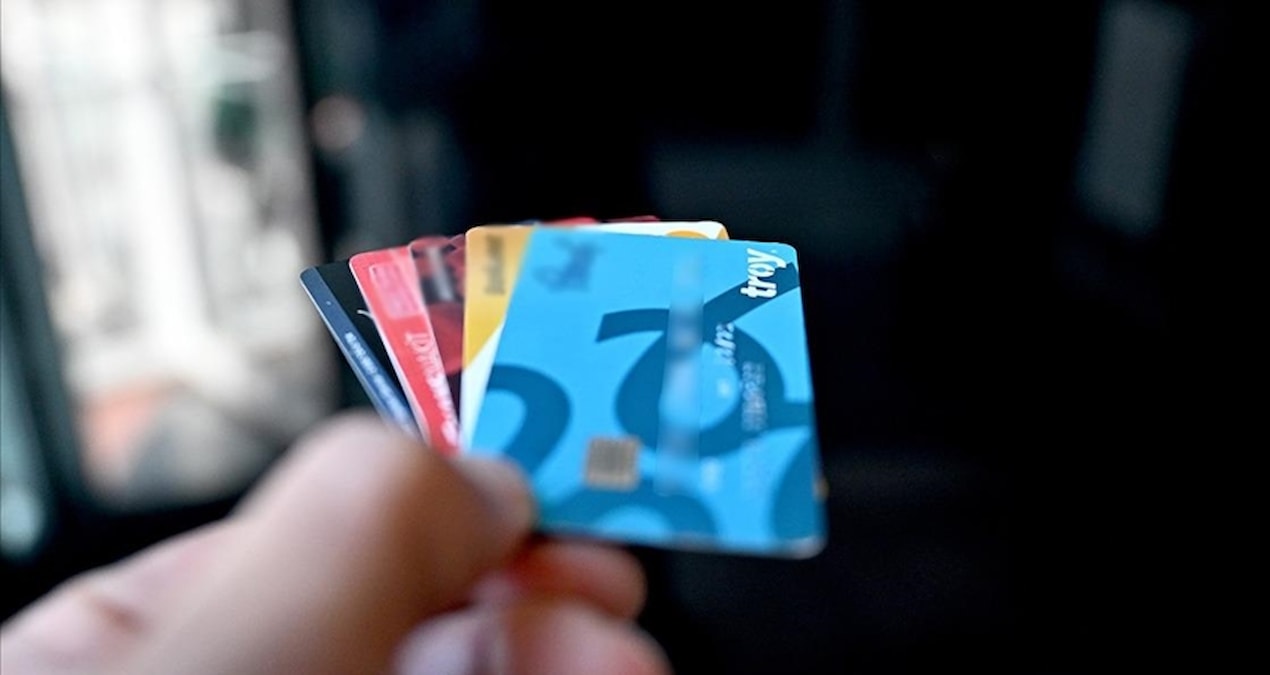

Recent investigations reveal a rise in fraudulent activities where scammers impersonate insurance company representatives to deceive unsuspecting citizens. These scammers typically offer refunds for previous insurance premiums, thus luring individuals into providing sensitive personal information, including online banking credentials. Enhanced security measures by banks have played a crucial role in mitigating some of these threats.
| Article Subheadings |
|---|
| 1) Increasing Incidence of Fraudulent Calls |
| 2) Preventative Actions by Banks |
| 3) Methods Employed by Fraudsters |
| 4) Security Warnings from Experts |
| 5) Public Awareness and Shared Experiences |
Increasing Incidence of Fraudulent Calls
Fraudulent calls have surged in recent months, with individuals impersonating representatives from reputable insurance companies. The scammers typically contact citizens under the pretense of offering a “refund of insurance premiums for the past period.” During these unsolicited calls, they use persuasive techniques to convince victims of their legitimacy, which often includes sending an official notification and verification code through mobile banking applications. This method exploits the trust that individuals place in their financial institutions.
Victims, believing they are speaking to an official, may unwittingly disclose sensitive information such as their online banking passwords and one-time confirmation codes. This alarming trend highlights the need for increased public awareness and protective measures.
Preventative Actions by Banks
In response to this growing menace, various banks have implemented stricter security protocols. Financial institutions are reinforcing their systems to detect and prevent suspicious transactions more effectively. In one notable case, a bank’s security software flagged a transfer as suspicious, leading to immediate intervention. Customer service reached out to the user, who confirmed that they had not authorized any such transaction.
This proactive measure by banks is crucial, as it helped prevent potential losses and demonstrated the effectiveness of vigilance in the face of increasing fraud attempts. Officials indicate that they observe a worrying uptick in such fraud calls and highlight the importance of continuous monitoring and community education regarding these scams.
Methods Employed by Fraudsters
Fraudsters utilize various methods to avoid detection and complicate the tracking of their illicit financial activities. Reports reveal that transfers associated with these scams often flow through numerous channels, making it challenging for authorities to trace the original source of the funds.
Individual Person Accounts (IBAN): Many scammers urge their victims to make transfers to individual accounts under the guise of a “return procedure” or “security verification.” By utilizing third-party accounts, they obscure their tracks, making it arduous for law enforcement to pursue them.
Crypto Asset Platforms: A notable increasing trend is the transfer of stolen funds to cryptocurrency exchanges or electronic money platforms. These exchanges often facilitate rapid transfers that complicate recovery efforts.
Landline Usage: To further lend credibility to their scheme, fraudsters often use landline telephones with local area codes, creating a false sense of trust and making their calls appear legitimate. This tactic exploits the expectation that calls from local numbers are less likely to be fraudulent.
Security Warnings from Experts
Security experts have issued various warnings and guidelines intended to educate the public on how to remain vigilant against potential scams. Some basic but critical highlights include:
- Do Not Share Verification Codes: Individuals are advised to refrain from sharing any verification or confirmation codes received on their devices with anyone they are speaking to over the phone, regardless of the caller’s claims.
- Attention to Inter-Account Transfer Requests: No legitimate bank or insurance entity will request money transfers to different IBANs for refunds or verifications. Recognizing this can help individuals avoid falling prey to schemes.
- Discontinue Communication in Suspicious Cases: In situations where an individual feels uneasy about the legitimacy of a call, it is recommended they terminate the conversation immediately and contact their bank’s official customer service number to verify any claims made during the call.
Public Awareness and Shared Experiences
With the rise of social media, sharing experiences has become a powerful tool in raising awareness about these scams. Many individuals are turning to platforms to share their stories and alert others to the tactics being used by fraudsters. This community dialogue empowers individuals and provides essential information that can help prevent future scams.
Various online groups and forums have emerged dedicated to educating people about fraud prevention tactics, allowing users to keep informed about new schemes and how to protect themselves from becoming victims. Public service announcements and community meetings are also vital parts of this effort to combat rising fraud rates.
| No. | Key Points |
|---|---|
| 1 | Suspicious calls from individuals impersonating insurance representatives are on the rise. |
| 2 | Banks are enhancing security measures to prevent fraudulent transactions. |
| 3 | Fraudsters employ methods such as transfers to third-party accounts and cryptocurrencies to obfuscate tracking. |
| 4 | Experts emphasize the importance of never sharing verification codes. |
| 5 | Public platforms are being used to raise awareness and share personal experiences about scams. |
Summary
The increase in fraudulent calls impersonating insurance representatives marks a critical issue that requires public awareness and action. Citizens are encouraged to stay informed about potential scams and adhere to security protocols to safeguard their sensitive information. The proactive measures taken by banks play a crucial role in preventing financial losses, and community discussions help elevate awareness to combat fraud effectively.
Frequently Asked Questions
Question: What should I do if I receive a suspicious call from someone claiming to be from my bank?
If you receive a call that seems suspicious, do not engage with the caller. Hang up and contact your bank’s official customer service to verify any claims made during the call.
Question: How can I spot a fraud attempt when dealing with calls about insurance products?
Look for signs such as urgency in the conversation, requests for personal information or money transfer to different accounts, and the use of local landline numbers by callers, which might seem more legitimate.
Question: What steps should I take if I have already shared my banking information with a potential fraudster?
Immediately contact your bank to inform them of the situation. They can take protective measures such as freezing your accounts and monitoring for unauthorized transactions.
