

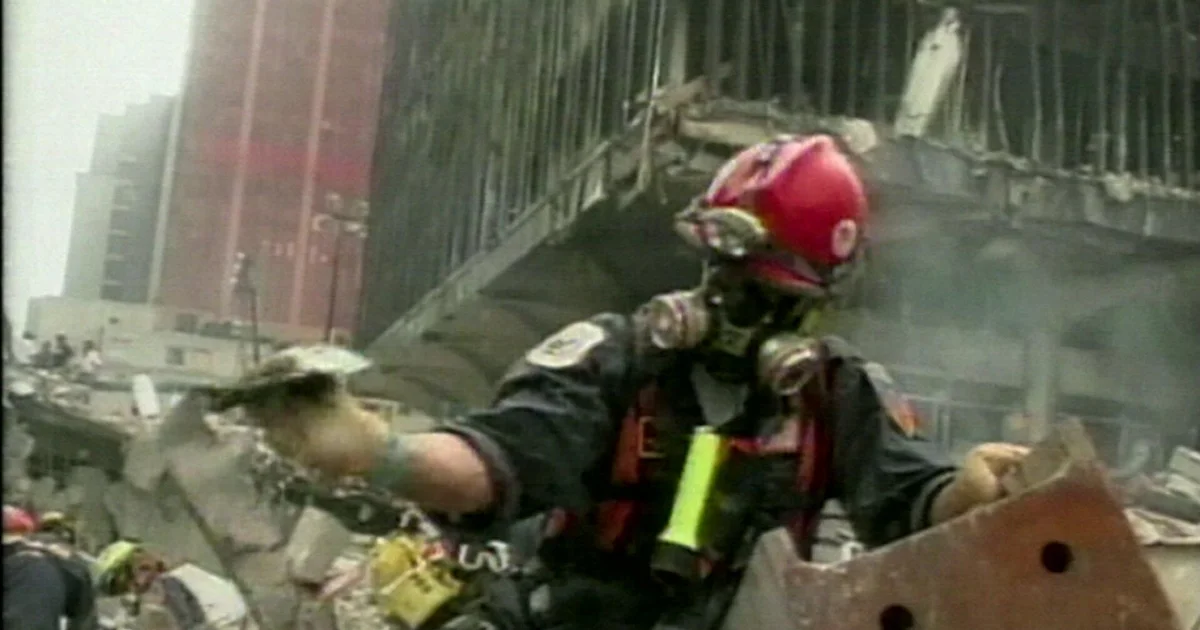

New York City officials recently unveiled a significant trove of documents revealing troubling insights into the air quality conditions at Ground Zero following the September 11, 2001, terrorist attacks. The release, which includes over 170,000 pages of records from various government agencies, raises new questions about the health risks faced by first responders and local residents in the aftermath of the attacks. This initiative highlights a commitment by the current administration to transparency and accountability regarding post-9/11 air quality issues.
| Article Subheadings |
|---|
| 1) Overview of Document Release |
| 2) Findings on Air Quality from Released Documents |
| 3) Statements from Elected Officials |
| 4) Legal Settlements and Their Implications |
| 5) Future of Document Availability |
Overview of Document Release
The public online portal launched by New York City officials provides access to more than 170,000 pages of documents related to air quality and health risks associated with the events of 9/11. This endeavor, which commenced on a recent Tuesday, stems from a commitment to transparency and reflects persistent demands from advocacy groups and the public for accountability regarding the health impact of the air quality in lower Manhattan during that period.
“These are documents that show what the city knew about the toxic air around Ground Zero, when they knew it, and how they acted to limit liability,”
stated Mayor Zohran Mamdani during a news conference marking the launch.
Findings on Air Quality from Released Documents
The documents released shed light on the extent of contamination in the air surrounding Ground Zero in the months following the attacks. Health officials documented the presence of asbestos well into the year following 9/11, suggesting that the air was not as safe as previously claimed by city officials. Correspondence among city staff and the air quality reports highlight ongoing concerns regarding the effects of toxic air, with evidence suggesting that harmful materials lingered long after official assurances of safety.
“There was poison in the air and on the ground and in the window sills and in your air conditioners and covering your pets and your clothes, and it stayed there for months,”
emphasized Jon Stewart, a vocal advocate for 9/11 health initiatives, in remarks made shortly after the document release.
Statements from Elected Officials
The release of these documents has prompted a chorus of responses from various government officials. Mayor Mamdani articulated that families of survivors and first responders are entitled to the truth about the city’s knowledge of the hazardous conditions post-9/11. The mayor added,
“The very least our city owes the families, survivors and first responders whose lives were forever changed by the September 11th attacks is transparency and accountability.”
The statements also reflect a stark contrast between past administration practices and the current emphasis on openness regarding public health risks. Representatives from former Mayor Eric Adams’s office have indicated that while documents related to post-9/11 air quality need thorough examination, Mayor Adams has no role in the creation or concealment of past records.
Legal Settlements and Their Implications
In addition to the document release, Mayor Mamdani announced the settlement of two lawsuits initiated by 9/11 Health Watch, marking an important victory in a years-long legal struggle over access to these crucial records. The release of the Harding Memo—a document detailing concerns about potential lawsuits from individuals exposed to toxic air shortly after the attacks—received particular attention. New York Rep. Jerry Nadler remarked that the government under former Mayor Rudy Giuliani had foreseen thousands of New Yorkers facing severe health repercussions as a result of their exposure. The memo emphasizes a pattern of negligence in communicating risks to the public, with many lamenting the serious consequences that followed from the information not being shared in a timely manner.
Future of Document Availability
Officials have assured the public that more documents will be added to the online portal on an ongoing basis. This initiative reflects an effort to ensure that all relevant information regarding the air quality issues post-9/11 is available for public scrutiny. Mayor Mamdani announced plans for City Hall to appoint individuals who will assist eligible residents in utilizing these documents as proof of their exposure in order to access federal health programs.
“Those people who lived there are already eligible because they meet the criteria,”
noted attorney Matthew McCauley, referencing individuals who worked in the vicinity or were present during the attacks.
| No. | Key Points |
|---|---|
| 1 | New York City officials released over 170,000 documents related to air quality at Ground Zero after 9/11. |
| 2 | The documents indicate that concerns regarding toxic air persisted for months after the attacks. |
| 3 | Mayor Mamdani emphasizes the need for transparency and accountability for 9/11 first responders and their families. |
| 4 | Legal settlements have been reached to facilitate access to records concerning 9/11 health issues. |
| 5 | Additional documents are expected to be available as the city continues to compile records. |
Summary
The release of documents related to post-9/11 air quality serves as a pivotal moment for New Yorkers affected by the events of that day. It reveals a critical historical record that underscores the health risks associated with the toxic environment at Ground Zero. As the current administration commits to transparency, the implications of the findings may extend well into the future, helping those affected navigate their health challenges while fostering accountability from the city. This initiative not only facilitates access to vital information but also honors the sacrifices made by first responders and victims’ families.
Frequently Asked Questions
Question: What types of documents were released regarding air quality after 9/11?
The released documents include air quality reports, contamination records, and correspondence among city officials that detail the conditions surrounding Ground Zero after the attacks.
Question: How did the city officials respond to concerns about air quality?
City officials repeatedly assured the public that the air was safe to breathe, despite evidence suggesting ongoing contamination in the months following the attacks.
Question: What actions are being taken to help 9/11 survivors access health programs?
City officials plan to appoint individuals to assist eligible New Yorkers in using the released documents as evidence of their exposure, allowing them to access federal health programs.
