

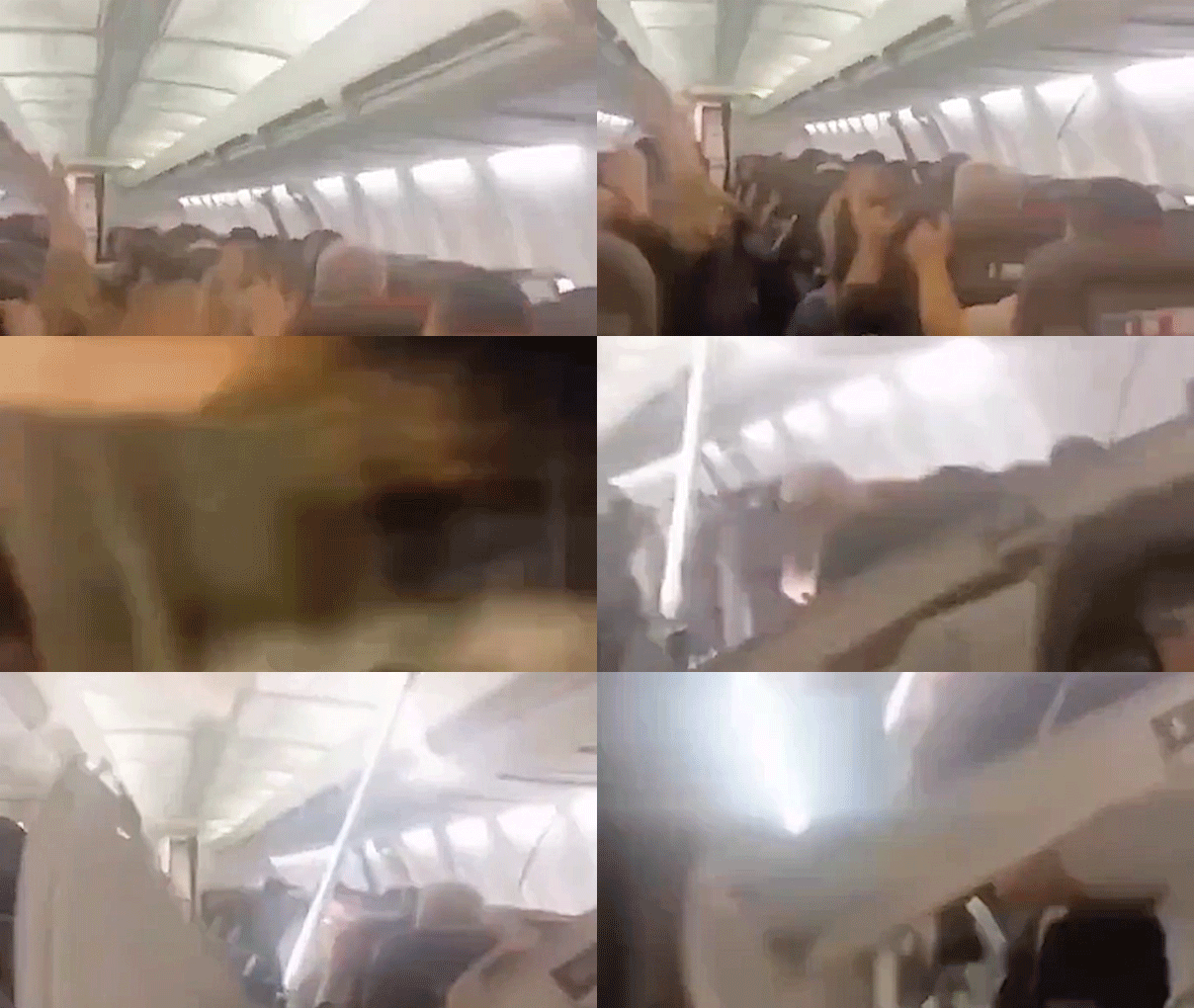

An alarming incident occurred on a flight operated by Sepehran Airlines, involving a Boeing 737 that faced significant cabin damage during its journey from Mashhad to Kermanshah, Iran. Passengers aboard experienced extreme turbulence that seemed to result in the disintegration of the cabin, with overhead compartments and ceiling panels collapsing. Fortunately, despite the dramatic situation, the pilot managed to make an emergency landing, and reports indicated that no injuries were sustained among the 127 passengers and crew members on board.
| Article Subheadings |
|---|
| 1) Details of the Incident |
| 2) Emergency Landing Actions |
| 3) Passenger Reactions and Experiences |
| 4) Aviation Safety Concerns |
| 5) Future Implications for Iranian Aviation |
Details of the Incident
On a routine flight from Mashhad to Kermanshah, a Sepehran Airlines Boeing 737 experienced mechanical issues shortly after takeoff. Reports indicated that the flight took off without significant concerns initially, but subsequently encountered violent shaking. This unexpected turbulence resulted in various parts of the aircraft cabin showing signs of severe distress, with overhead compartments bursting open and ceiling panels collapsing onto passengers seated below.
Eyewitness accounts describe a scene of chaos, where personal belongings and debris fell from the damaged compartments. Individuals aboard the flight expressed fear and disbelief as the situation unfolded. There were indications that the turbulence might have stemmed from a combination of engine issues and a potential blowout of a tire during takeoff, which compromised the aircraft’s stability and overall functionality.
Emergency Landing Actions
In response to the critical situation, the flight crew swiftly declared an emergency. The pilot, showing quick reflexes and professional training, took necessary actions to return the aircraft to Mashhad Hashemi Nejad International Airport. Using skillful maneuvering, the aircraft safely landed back at the airport where emergency services were on standby, ready to assist passengers following the stressful ordeal.
Airport operations were temporarily disrupted as the aircraft landed, leading to the closure of one of the airport’s two runways. Subsequently, an investigation was initiated to assess the aircraft’s condition and the incidents that led to the emergency landing. A thorough examination is expected to determine any mechanical failures that may have contributed to the mishap.
Passenger Reactions and Experiences
Conditions aboard the flight prompted untold stress and panic among the passengers. Many were reportedly screaming and praying as they braced for potential impacts from falling debris. The passengers were primarily concerned for their safety, raising their hands in attempts to shield themselves from overhead monitors, luggage, and ceiling panels that had detached and were falling. The scene illustrated the psychological toll such incidents have on individuals, as many feared for their lives during the perilous moments of shaking.
Post-landing, passengers expressed a mix of relief and assessment of their situations, grateful to have arrived safely despite the ordeal. Following the emergency return, the airline facilitated alternative flight arrangements to continue their journeys. Reports indicate that no physical injuries were recorded among passengers or crew, which further underscores the efficiency of emergency protocols and the importance of proper aircraft handling.
Aviation Safety Concerns
The incident raises a significant conversation surrounding aviation safety, especially regarding the maintenance and operation of aging aircraft within Iran’s commercial aviation sector. Decades of international sanctions have inhibited Iran’s ability to acquire newer aircraft along with access to modern spare parts, contributing to the reliance on older, potentially less safe aircraft. Such constraints have left many local carriers in precarious positions concerning the reliability and safety of their fleets.
Industry experts emphasize the urgency for improvement in safety standards. Modernization and regular maintenance of aircraft are fundamental in mitigating risks associated with flying older models. The incident highlights the importance of regulatory measures and oversight to ensure passenger safety during air travel, pressing local airlines to strengthen safety protocols and invest in fleet upgrades.
Future Implications for Iranian Aviation
Reflecting on this incident, the implications for Iran’s aviation industry could be profound. The need for modernization and adherence to international safety standards cannot be overstated. As local carriers grapple with aged fleets, the incident may catalyze discussions among policymakers and airline executives regarding investment in new technologies and aircraft.
An immediate focus will likely center on safety measures, maintenance protocols, and the necessity of complying with aviation regulations that international organizations emphasize. There may also be calls for increased funding to support improvements in the aviation sector, potentially even exploring partnerships with foreign entities to facilitate better access to modern aircraft.
| No. | Key Points |
|---|---|
| 1 | A Boeing 737 belonging to Sepehran Airlines experienced severe turbulence, leading to potential cabin disintegration during a flight from Mashhad to Kermanshah. |
| 2 | The flight crew declared an emergency, successfully returning to Mashhad International Airport without any injuries reported among the 127 passengers and crew members. |
| 3 | The incident reflects ongoing challenges faced by the Iranian aviation industry due to decades-long sanctions, limiting access to modern aircraft and spare parts. |
| 4 | Passenger responses captured the high level of distress faced during the incident, emphasizing the psychological impacts of airline emergencies. |
| 5 | The situation could spur significant discussions regarding aviation safety in Iran, potentially leading to reforms aimed at modernizing the fleet and enhancing safety standards. |
Summary
This incident involving the Sepehran Airlines flight underscores critical issues within the Iranian aviation sector, propelled by a mixture of outdated fleets and urgent safety needs. While the prompt actions of the flight crew ensured passenger safety, it highlights the continuous dangers faced by travelers in regions impacted by aviation restrictions. Ultimately, this event serves as a crucial wake-up call for airlines to prioritize aircraft renovations and strict adherence to safety protocols to prevent future incidents.
Frequently Asked Questions
Question: What caused the turbulence during the flight?
The turbulence was reportedly related to engine issues and a tire blowout during takeoff, leading to violent cabin shaking.
Question: Were there any injuries reported from the incident?
No injuries were reported among the 127 passengers and crew members on the flight, despite the dramatic cabin damage and chaos.
Question: How does this incident impact the perception of Iranian aviation safety?
The incident raises significant concerns regarding safety standards in Iranian aviation, highlighting the need for modernization and compliance with international aviation regulations to improve passenger safety.
