

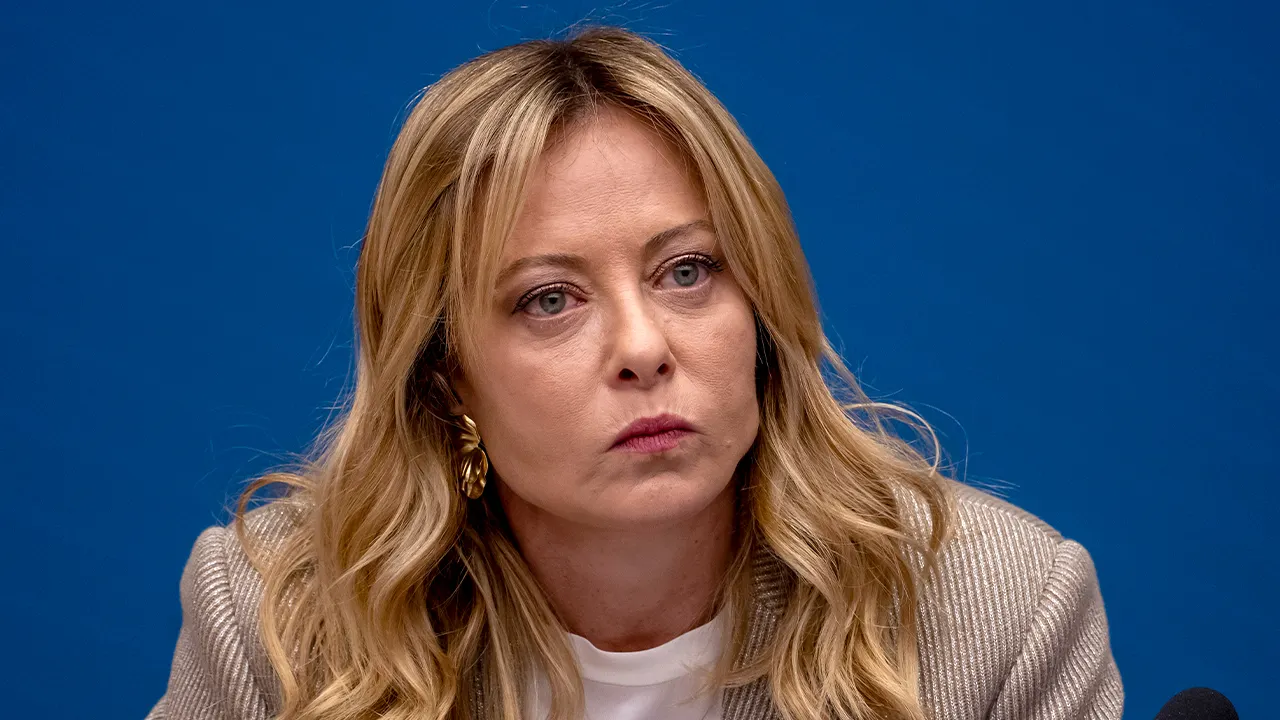

On September 20, Italian Prime Minister Giorgia Meloni unveiled a controversial legislative proposal aimed at regulating the number of foreign students in Italian schools and banning certain face-covering garments, including burqas and niqabs, in educational settings. During an address to members of her conservative Brothers of Italy party, Meloni emphasized that the proposed measures are intended to foster integration, uphold Italian cultural identity, and ensure that native Italian children do not feel marginalized in their education. The proposal reflects ongoing debates about immigration, cultural identity, and the challenges of integration faced by European nations.
| Article Subheadings |
|---|
| 1) Meloni’s Legislative Proposal |
| 2) Goals of the Proposed Measures |
| 3) Impact on the Education System |
| 4) Comparison with Other European Nations |
| 5) Political Context and Implications |
Meloni’s Legislative Proposal
The proposal announced by Giorgia Meloni would introduce a cap on the number of foreign students allowed in individual classrooms. This cap aims to prevent what Meloni describes as “heavy concentrations” of non-Italian students, particularly in urban districts where immigrant populations are larger. Although she has not specified the exact limits of student caps, the proposal also includes a requirement for parents of foreign students who encounter serious integration challenges to undertake mandatory Italian language lessons. The countermove aims to ensure that foreign citizens wishing to build their futures in Italy learn the local language and adhere to cultural expectations.
Goals of the Proposed Measures
During her speech, Meloni made it clear that the impetus behind these measures is to enhance integration while preserving cultural identity. “For us, anyone who comes to Italy and wants to build their future here must learn our language, understand our culture, and respect our rules,” she stated. This sentiment is indicative of a growing sentiment amongst certain political circles in Italy advocating for strict immigration reform, including rules that require newcomers to fully assimilate into Italian society. She expressed concern that the current influx of foreign students could lead to native Italian children feeling marginalized in their own classrooms, asserting that the very essence of integration involves mutual respect and understanding.
Impact on the Education System
The proposal can have significant ramifications for Italy’s education system, where approximately 11.6% of students currently do not hold Italian citizenship, according to data from Italy’s Education Ministry. This demographic may face challenges if imposed caps on foreign students shift educational dynamics, especially in classrooms where language barriers can impede educational attainment for all students. Meloni argued that, while having one or two students who do not speak Italian may encourage rapid learning and integration, an overwhelming number of non-native speakers could lead to an environment of abandonment, rather than integration. This perspective reflects broader discussions about educational equity and inclusivity amid rising concerns over the quality of education.
Comparison with Other European Nations
Several European countries, including France and Belgium, have enacted laws restricting the wearing of face-covering attire in public settings, including schools. Meloni’s proposed ban on burqas and niqabs aligns with these practices but also raises questions about cultural freedom and personal choice. In her communications, Meloni stated that attending school should be an experience without facial coverings to preserve clarity and communication among students of all backgrounds. This decision situates Italy within a broader European context where cultural integration is a contentious political issue. The divergence in enforcement and legal frameworks across countries indicates the complexity of tackling integration and identity through legislative measures.
Political Context and Implications
Meloni leads the Brothers of Italy party, which has gained traction by capitalizing on nationalism and concerns over immigration. Since taking office in 2022, she has maintained a steady and assertive approach towards immigration policies, fiercely advocating for legislative change that prioritizes the Italian cultural identity. In her recent address, she asserted that integration comes with a knowledge of the Italian language and an understanding of cultural norms. With Italy’s historical context and current political landscape shaped by populism and right-wing agendas, Meloni’s proposals are likely to resonate with her political base but may also face opposition from advocates of multiculturalism and inclusivity.
| No. | Key Points |
|---|---|
| 1 | Prime Minister Meloni proposes to cap foreign students in classrooms. |
| 2 | Legislation requires foreign students’ parents to learn Italian if integration is challenging. |
| 3 | Concerns arise that high concentrations of non-native speakers could hinder education. |
| 4 | Italy’s proposal aligns with similar bans on face-coverings in neighboring countries. |
| 5 | Meloni emphasizes the importance of cultural assimilation for immigrants in Italy. |
Summary
The legislative proposal put forth by Prime Minister Giorgia Meloni aims to address complex issues surrounding immigration and cultural identity in Italy. By introducing measures that cap foreign students in schools and restrict certain face-covering garments, Meloni seeks to foster better integration and preserve Italian values. While supporters argue these steps are essential for cultural preservation, critics highlight potential infringements on individual freedoms and societal inclusion. As this proposal moves forward in legislative consideration, it promises to ignite further debates on immigration and education in Italy and beyond.
Frequently Asked Questions
Question: What are the main components of Meloni’s legislative proposal?
The proposal includes a cap on the number of foreign students in classrooms and mandates Italian language lessons for parents of foreign students struggling to integrate.
Question: Why is Meloni advocating for these measures?
Meloni’s advocacy stems from a desire to preserve Italian cultural identity and ensure that native children do not feel marginalized in educational settings, promoting integration as an objective.
Question: How does Italy’s proposal compare to actions taken by other European nations?
Italy’s proposal mirrors recent legislative actions in countries like France and Belgium, which have implemented bans on face-covering garments in public spaces, including schools.
