

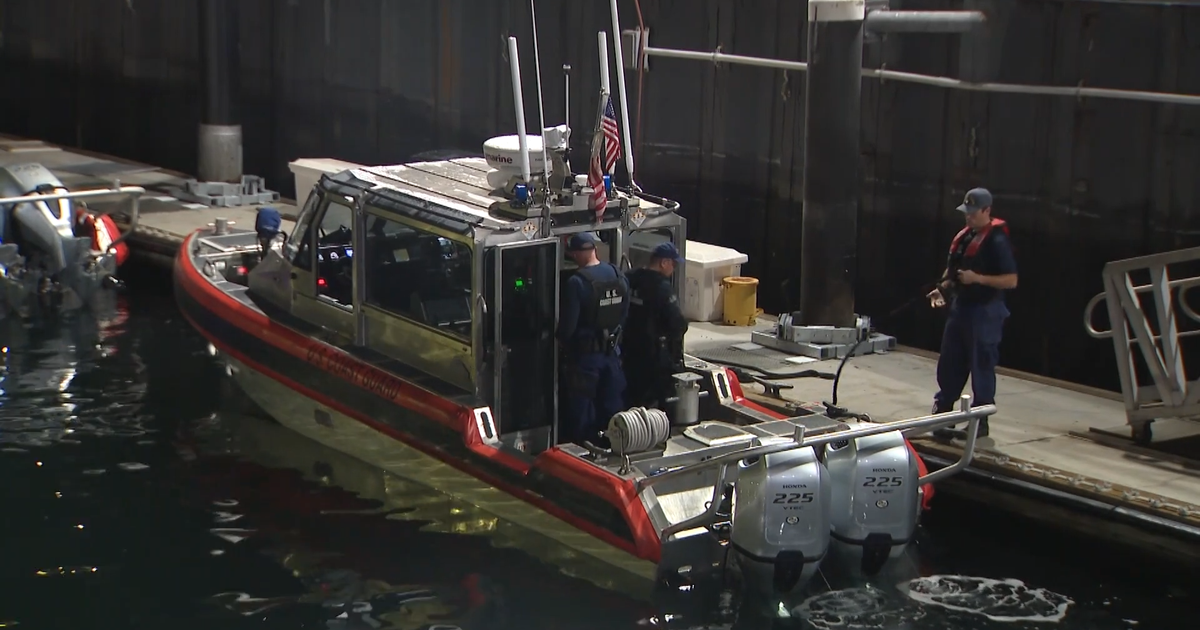

A tragic helicopter crash off the coast of Catalina Island resulted in the loss of three lives and hospitalizations for two others on Wednesday evening. The incident involved a medical flight transporting a patient for further treatment when it went down in the water. Rescue operations by various agencies were undertaken promptly but revealed devastating outcomes.
| Article Subheadings |
|---|
| 1) Overview of the Incident |
| 2) Details from the Rescue Operations |
| 3) Background on the Helicopter and its Operators |
| 4) Reactions from Officials and the Community |
| 5) Investigation and Future Implications |
Overview of the Incident
On the evening of Wednesday, a medical helicopter crashed into the waters off the coast of Catalina Island, leading to tragic consequences. The helicopter, operated by Reach Air Medical Services, was transporting a woman who required urgent medical assistance as she was being taken to the mainland. The accident occurred shortly after takeoff, which added a harrowing element to an already critical medical mission.
At approximately 7:50 p.m., following initial reports of the crash, the Los Angeles County Fire Department dispatched helicopters and divers to the scene. Five individuals were on board the helicopter when it went down. Following rescue efforts that unfolded steadily through the night, rescuers initially found four out of five passengers; however, the loss became apparent when it was confirmed that the pilot and a nurse died at the scene, while a medic and another man were severely injured and transported for medical assistance.
A grim search extended into the following day, with official recovery teams eventually locating the deceased patient later in the afternoon on Thursday. The promptness of the emergency response illustrated the rigorous protocols in place for life-threatening medical situations, highlighting both the urgency and gravity of helicopter medical transports.
Details from the Rescue Operations
The swift actions of the Los Angeles County Fire Department and other agencies were paramount in responding to the helicopter crash. Shortly after the crash was reported, coordinated efforts led to the immediate deployment of dive teams and aerial assets searching for survivors and the wreckage. Rescue personnel began their operations around 7:50 p.m., shortly after the crash was detected. Conditions in the ocean were not disclosed, but search and recovery operations continued through harsh circumstances, emphasizing the challenges faced during maritime rescue efforts.
During a news conference, Fire Chief Anthony Marrone of the Los Angeles County Fire Department relayed the gravity of the situation as divers discovered the aircraft resting on the ocean floor, about 218 feet below sea level. Exhaustive searches lasted nearly 24 hours, underscoring the commitment of first responders in potentially life-saving scenarios. Meanwhile, LA County Sheriff Robert Luna expressed concerns about the condition of the final victim, recognizing the limited hope for survival during such a critical rescue operation.
The intense rescue efforts, though ultimately unsuccessful in saving all aboard, showcased the bravery of those involved, who risk their lives daily to protect the community. The nature of medical emergency flights often sees highly trained individuals undertaking great risks, sometimes making the difference between life and death. The tragic closure of this mission has left a profound impact on all first responders involved.
Background on the Helicopter and its Operators
The helicopter that crashed was a Eurocopter EC 135 P2, which is widely utilized for air medical services across the United States. The aircraft has a reputation for reliability in emergency situations; however, investigations are set to uncover the precise circumstances that led to its untimely demise over the waters of Catalina Island. The National Transportation Safety Board (NTSB) has taken charge of the investigation, aiming to piece together the pre-crash conditions and possible mechanical failures contributing to this tragic event.
Reach Air Medical Services, the operator of the helicopter, provides crucial air transport for patients requiring prompt medical attention. The organization’s dedication to preserving life under intense circumstances is indicative of the critical roles such services play in delivering healthcare efficiently. In light of the recent accident, there is a heightened focus on safety protocols and flight operation standards within the air medical community.
Flight tracking data showed that the helicopter departed from Oceanside in San Diego County shortly before the crash at around 6:40 p.m., landing at Catalina Island shortly thereafter, only to take off again with a critical patient. The operational history and route profile of the flight can provide insights into any abnormalities during the short but impactful journey. Such information will be of particular interest to investigators as they work diligently to determine the contributing factors leading to the incident.
Reactions from Officials and the Community
In response to the devastating news, officials have expressed their heartfelt condolences to the families affected by this tragedy. Janice Hahn, a Los Angeles County Supervisor, conveyed her deep sorrow in a public statement, acknowledging the heroism of those aboard the helicopter who devoted their lives to saving others. She stated,
“The people onboard this helicopter dedicated their careers to saving lives. They are heroes, and this is a terrible loss not just for Catalina but for our County.”
The emotional impact of this helicopter crash resonates deeply within the local community, particularly for those who have been touched by the healthcare services provided by air medical teams. A spokesperson for Reach Air Medical Services stated that they are “heartbroken” by the tragic loss of their colleagues and extend their condolences to the families, reinforcing the dedication and camaraderie that is characteristic within their lifesaving profession.
As the community mourns, many residents have expressed their sympathy, sharing memories of the service provided by medical professionals who risk their lives for the safety of others. The loss has generated an outpouring of support and compassion for the victims’ families, highlighting the profound impact of such tragedies on local communities that rely on emergency medical services.
Investigation and Future Implications
The National Transportation Safety Board’s initiation of an investigation into the crash is a standard procedure following such unfortunate occurrences. The investigation will focus on gathering data, conducting interviews, and examining the wreckage to determine the factors that led to the loss of the helicopter and its occupants. Preliminary insights into mechanical reliability, pilot decision-making, and operational protocols will be critical in understanding the series of events that unfolded leading up to the catastrophe.
In the aftermath of this tragic incident, repercussions may extend beyond immediate bereavement. As the air medical service industry faces heightened scrutiny, ensuring rigorous safety measures through policy revisions and technological advancements may lead to potential changes in operational standards. This scenario raises important questions about the safety of air travel, particularly in the sensitive field of medical transport.
The investigation results will likely spark discussions about improving safety protocols and awareness around air medical services, particularly as demand for such services continues to grow. Stakeholders within aviation and healthcare must collaborate to mitigate future risks, ensuring that tragedies like this are not repeated. Enhanced safety regulations, continual training, and robust emergency preparedness plans may emerge as focal points within the air ambulance sector as they seek to uphold their commitment to saving lives.
| No. | Key Points |
|---|---|
| 1 | Three individuals lost their lives and two were hospitalized after a medical helicopter crashed off Catalina Island. |
| 2 | The helicopter, operated by Reach Air Medical Services, was on a critical medical transport mission. |
| 3 | Rescue operations lasted nearly 24 hours, with divers locating the helicopter and recovering victims. |
| 4 | A comprehensive investigation has been launched by the National Transportation Safety Board to determine causes. |
| 5 | Local officials and the community expressed deep sorrow and support for the families affected by the accident. |
Summary
The devastating helicopter crash near Catalina Island underscores the inherent risks associated with medical air transport services, emphasizing the crucial role they play in emergency situations. This tragic event has drawn both community and official response filled with grief and reflection. As investigations into the circumstances surrounding the crash unfold, there is an urgent conversation to be had regarding operational safety and protocols in the industry, aiming to prevent such heartbreaking losses in the future.
Frequently Asked Questions
Question: What caused the helicopter crash off Catalina Island?
The exact cause of the helicopter crash is still under investigation by the National Transportation Safety Board (NTSB), which will look into mechanical issues, pilot actions, and other factors leading up to the incident.
Question: How many individuals were aboard the helicopter during the crash?
There were five individuals aboard the helicopter, which included the pilot, a nurse, a medic, and a patient needing medical assistance.
Question: What safety measures are in place for medical helicopter operations?
Medical helicopter operations are governed by a number of safety protocols, including rigorous training for pilots and crew, regular maintenance checks on aircraft, and adherence to operational guidelines aimed at minimizing risks during flight.
