

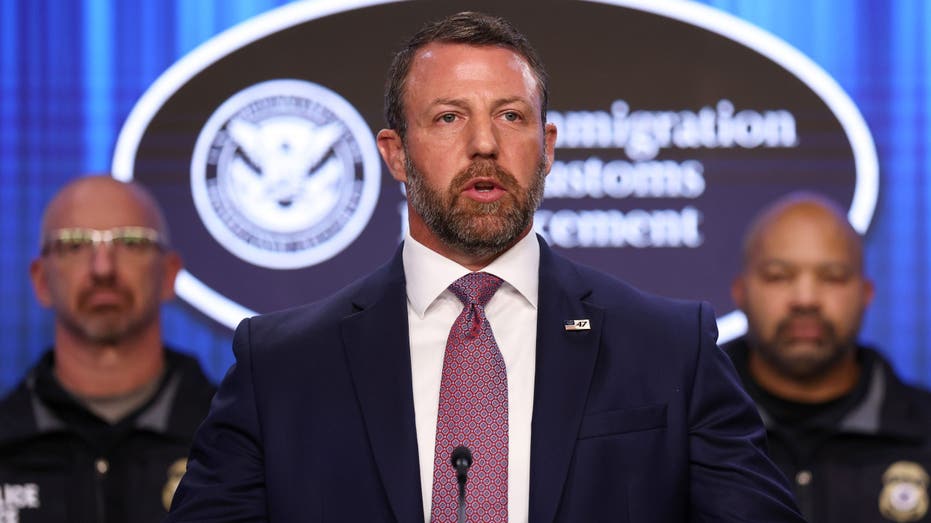

The Department of Homeland Security is investigating a suspected data breach that may have exposed personal and employment information linked to approximately 40,000 employees and contractors. The records reportedly include about 10,000 Immigration and Customs Enforcement personnel and more than 20,000 U.S. Customs and Border Protection employees. Several undercover ICE agents were among the individuals identified in portions of the data that were independently authenticated. An anti-fascist hacking group claimed responsibility, while DHS said it was working to assess and contain the incident.
| 1) | Scope of the suspected breach |
| 2) | Employees and agencies affected |
| 3) | Claims of responsibility and public access |
| 4) | DHS response and security concerns |
| 5) | Broader pattern of government data breaches |
Scope of the suspected breach
The suspected incident involves data that may identify roughly 40,000 DHS employees and contractors. Sources familiar with the records said the information can include names, job titles and work locations, with phone numbers and email addresses appearing in some cases. Multiple sources confirmed the authenticity of portions of the material, although the full extent of the exposure remains under investigation.
The breach was under review on October 29, 2026, after information connected to DHS personnel was reportedly made public. The potentially exposed details could create security and privacy risks because they link personnel identities to government roles and locations. Investigators are still determining how the information was obtained and whether all records attributed to the incident are genuine.
Employees and agencies affected
The reported records cover personnel from multiple DHS components. They include approximately 10,000 ICE employees and more than 20,000 CBP employees, including Border Patrol personnel. The material also reportedly contains records associated with contractors and several undercover ICE agents working in different parts of the United States.
The inclusion of undercover personnel increases the potential consequences of the disclosure because identifying information could expose employees to harassment, targeting or other threats. The available reporting does not establish that every person in the affected records has had the same categories of information revealed, or that all of the information remains publicly accessible.
Claims of responsibility and public access
An anti-fascist hacking group calling itself the Department of Peace claimed responsibility for obtaining the data. The group said DHS employees possess information about members of the public and argued that releasing personnel records would create accountability. Its statement said it hoped the disclosure would help limit further harm by DHS.
A data leak website said it had released information on Wednesday and that a search tool had been developed to allow members of the public to examine the records. Emma Best, a co-founder of the website, described the tool as a way to replace anonymity with accountability. The reported availability of a searchable database could broaden the exposure beyond the initial publication of files.
DHS response and security concerns
DHS said it was aware of a potential breach and was working to address it. The department did not publicly confirm the full number of affected individuals or provide a detailed account of the suspected intrusion. Officials said additional information would be released when available and emphasized that threats against employees and officers were being treated seriously.
“DHS is aware of a potential breach and is actively working to address the situation swiftly and effectively.”
The department also said it would work to ensure affected personnel were properly protected. The investigation is expected to focus on the source of the records, the systems or repositories involved, the types of information exposed and whether further unauthorized access occurred.
Broader pattern of government data breaches
The DHS investigation comes amid wider concern over the protection of government personnel records. The previous month, a breach involving a Pentagon personnel database exposed sensitive information connected to more than 2.76 million living U.S. military and civilian personnel and approximately 294,000 deceased individuals.
In that incident, unauthorized users accessed unencrypted files containing Social Security numbers and military or civilian employment information. The access reportedly occurred between October 2025 and July 2026. Together, the incidents have drawn attention to the risks created when personnel databases contain extensive identifying information without adequate safeguards.
| Number | Key Point |
|---|---|
| 1 | Approximately 40,000 DHS employees and contractors may be affected. |
| 2 | The records reportedly include ICE, CBP and Border Patrol personnel. |
| 3 | Several undercover ICE agents were identified in authenticated portions of the data. |
| 4 | A group calling itself the Department of Peace claimed responsibility. |
| 5 | DHS is investigating the breach and assessing protections for affected personnel. |
Summary
DHS is investigating a potentially serious exposure of employee and contractor information involving tens of thousands of personnel across ICE and CBP. The reported inclusion of undercover agents raises particular security concerns, but officials have not yet established the full scope or cause of the incident. The case also highlights continuing risks surrounding the storage and protection of sensitive government workforce data.
Frequently Asked Questions
How many DHS personnel may be affected?
Sources familiar with the records estimate that approximately 40,000 DHS employees and contractors may be included, although the final number has not been confirmed.
Which agencies are represented in the data?
The reported records include roughly 10,000 ICE personnel and more than 20,000 CBP employees, including Border Patrol personnel, as well as contractors.
Has DHS confirmed the breach?
DHS has confirmed that it is aware of a potential breach and is investigating it, but it has not publicly confirmed the full scope, cause or number of affected individuals.
Who claimed responsibility?
An anti-fascist hacking group calling itself the Department of Peace claimed responsibility for obtaining and releasing the data.
