

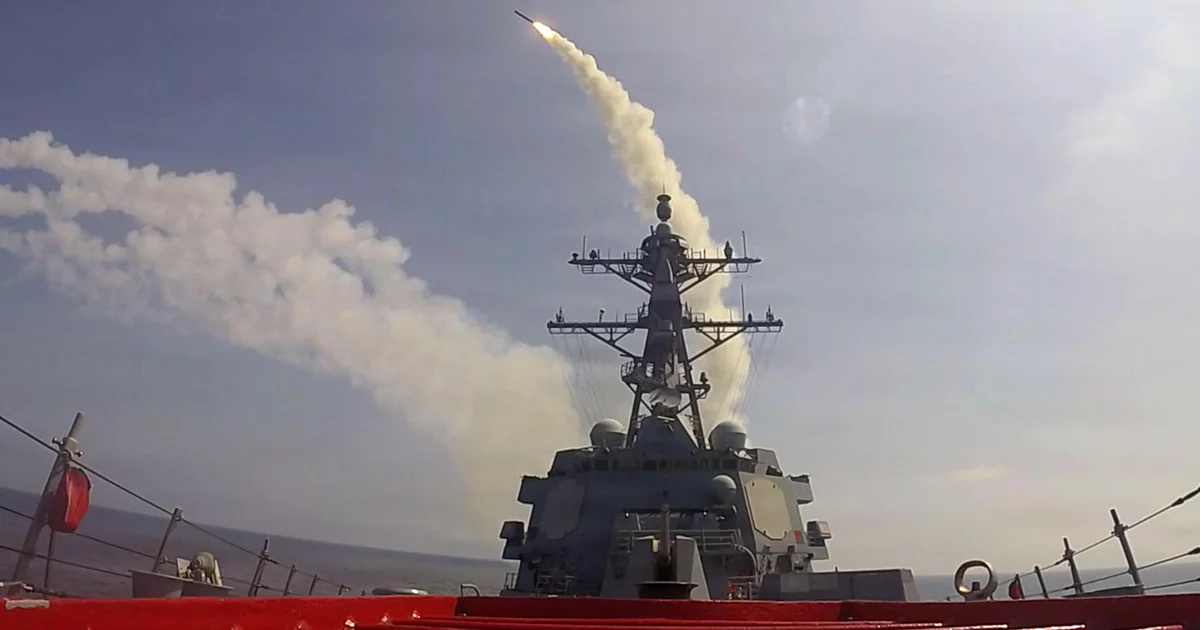

In a recent assessment from U.S. Central Command, the ongoing war with Iran has now cost the U.S. military approximately $47.1 billion, a significant increase from previous estimates. This figure is largely attributed to the replacement of munitions and military equipment, as well as ongoing incremental costs associated with supporting service members. With the conflict approaching its ninth month, projections indicate that the monthly expenses could range from $2 billion to $3 billion, raising questions about future military funding and strategy.
| Article Subheadings |
|---|
| 1) Escalating Costs of the Iran War |
| 2) Breakdown of Military Expenses |
| 3) Strategic Implications for the U.S. Military |
| 4) Congressional Reaction and Funding Needs |
| 5) Future of the Conflict |
Escalating Costs of the Iran War
As of mid-October, the war with Iran has resulted in a staggering cost estimate of $47.1 billion for the U.S. military, reflecting the escalating nature of the conflict. This figure represents a notable increase from the approximately $37.5 billion reported by Defense Secretary Pete Hegseth just three months prior. The increasing expenses underscore the complexities of the ongoing conflict and hint at a turbulent economic landscape for the U.S. military as it engages with Iranian forces.
Breakdown of Military Expenses
The bulk of the military’s expenditure can be attributed to the replacement of consumed munitions, which accounts for an estimated $29 billion of the total costs. Additionally, the military has reported $6.1 billion spent on replacing equipment that has been lost during operations. Furthermore, approximately $11.9 billion is categorized under incremental costs that support American service members who are actively involved in the conflict.
It is essential to note that these figures do not encompass the costs related to damages sustained by U.S. military bases across the Middle East, many of which have been targeted by Iranian drones and missiles. The complexity of conflict management is evident when financial implications extend beyond the perceived direct expenditures related to munitions and equipment.
Strategic Implications for the U.S. Military
With the ongoing conflict entering its ninth month, the Pentagon’s inspector general has identified “strategic inventory shortfalls” due to the high volume of munitions used during military operations. This scenario has prompted the Defense Department to accelerate production efforts, as concerns mount over the adequacy of U.S. military supplies. In contrast, the Trump administration has publicly asserted that the military is not facing significant shortages, with President Trump confidently stating that the U.S. has “virtually unlimited amounts of Mid to High Grade Ammunition.”
This dichotomy raises critical questions regarding the true state of U.S. military readiness and the implications for operational strategy in the broader Middle Eastern landscape. The costs associated with replacing advanced interceptor missiles, primarily required for defending against Iranian attacks, could be exacerbated by ongoing skirmishes and retaliatory responses between the two nations.
Congressional Reaction and Funding Needs
In response to the rising costs associated with the war, the administration has requested Congress to approve tens of billions of dollars in supplemental military funding. This request is aimed at addressing the financial requirements driven largely by the conflict in Iran. However, this request is still pending approval, which reflects the ongoing division within Congress regarding military funding and strategy.
Democrats have raised concerns over the transparency and accountability of war expenditures. There have been calls for detailed accounting from military leaders, elevating tensions regarding budget allocations and military spending at a time when such expenses are increasingly scrutinized by lawmakers. The evolving situation warrants close observation as it could significantly influence future military and political decisions.
Future of the Conflict
The future trajectory of the conflict remains uncertain as President Trump has suggested a potential revival of hostilities following the upcoming midterm elections, contingent upon Iran’s willingness to reach a negotiated agreement. During a recent rally in Florida, the President remarked, “We may do another little Epic Fury, or they’ll agree,” indicating a possible pivot in U.S. foreign policy and military engagement strategies. This statement hints at the administration’s view of diplomatic negotiations as one path amid an escalating military involvement.
As the conflict persists, it is crucial to assess both military and diplomatic pathways. The continued escalation could lead to increased financial burdens for the U.S. military while also impacting national security discussions. This complex dynamic necessitates a vigilant approach to understanding how military decisions align with broader strategic goals.
| No. | Key Points |
|---|---|
| 1 | The war with Iran has cost the U.S. military $47.1 billion as of mid-October. |
| 2 | A significant portion of costs pertains to replacing munitions and equipment. |
| 3 | The Pentagon faces strategic inventory shortfalls due to expended munitions. |
| 4 | Congress has not yet approved the requested supplemental military funding. |
| 5 | The future of U.S.-Iran relations remains uncertain, with possible military escalations ahead. |
Summary
The significant costs attributed to the war with Iran point to the complexities and challenges of U.S. military engagement in the region. As expenditures rise and strategic inventory shortfalls become apparent, the implications for congressional approval of supplementary funding are critical to military readiness and future operations. The uncertainty surrounding the conflict not only affects military planning but also raises broader questions regarding U.S. foreign policy and its approach to negotiations with Iran.
Frequently Asked Questions
Question: What are the main costs associated with the U.S. war in Iran?
The main costs include replacing expended munitions, lost equipment, and support for service members, leading to an overall estimate of approximately $47.1 billion as of mid-October.
Question: How does the U.S. military assess inventory shortages?
The Pentagon’s inspector general has reported “strategic inventory shortfalls,” indicating concerns over the high volume of utilized munitions and the need for increased production to meet operational demands.
Question: What future actions may the U.S. take regarding the Iran conflict?
President Trump has suggested a potential escalation of military hostilities after the upcoming midterm elections, dependent on Iran’s willingness to negotiate an agreement.
