

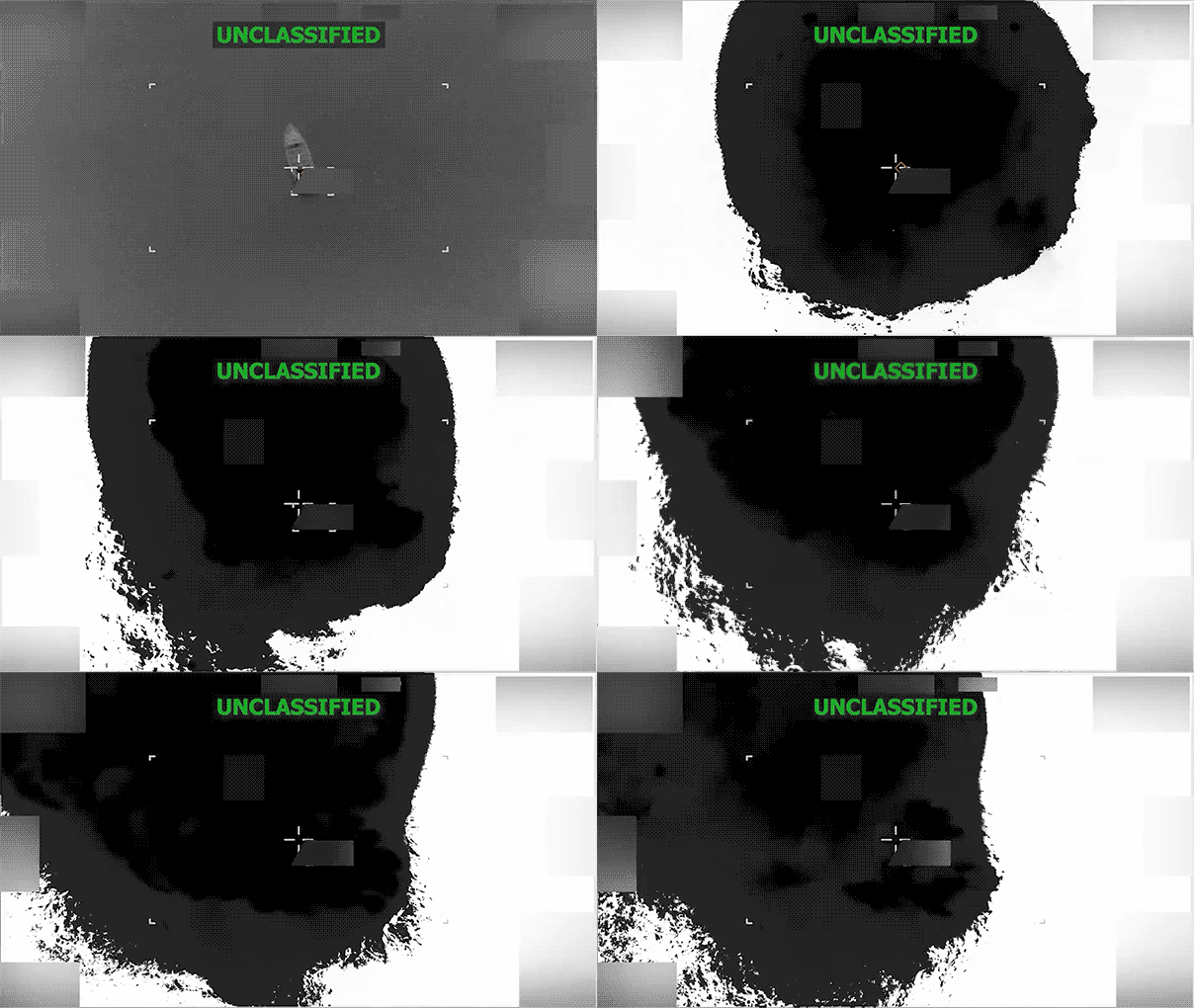

The U.S. military recently executed a lethal strike on a vessel identified as engaging in drug trafficking in the eastern Pacific Ocean, resulting in the deaths of five individuals termed “narco-terrorists” by officials from U.S. Southern Command (SOUTHCOM). This operation, which occurred on October 27, marks a continuation of the U.S. government’s aggressive approach to combatting narco-trafficking operations along established routes used by drug cartels. With over 70 strikes resulting in significant casualties, the campaign raises questions about the legality and ramifications of military actions against non-state actors operating outside traditional battlefields.
| Article Subheadings |
|---|
| 1) Details of the Maritime Strike |
| 2) U.S. Strategy Against Drug Traffickers |
| 3) Legal Implications of Military Action |
| 4) Collaboration with Regional Allies |
| 5) Future of Counter-Narcotics Operations |
Details of the Maritime Strike
The recent military strike undertaken by U.S. forces targeted a go-fast vessel suspected of drug trafficking activities. On October 27, HORUS, a joint task force operating under SOUTHCOM, executed this operation along known narco-trafficking routes in the eastern Pacific. The operation was described as a “lethal, kinetic strike,” asserting the existence of “confirmed intelligence” indicating the vessel’s active involvement in illicit drug activities.
During the engagement, U.S. military personnel successfully eliminated five suspected narco-terrorists on board the vessel. As a testament to the high-intensity operation, footage released by SOUTHCOM captures the moment the targeted vessel erupted into flames after the airstrike. While the exact coordinates of the strike remain undisclosed, officials have asserted that the operation aligns with ongoing efforts to diminish narco-trafficking activities.
U.S. Strategy Against Drug Traffickers
This strike is part of a broader strategy employed by the U.S. government aimed at dismantling drug cartels operating in the region. Under the leadership of former officials, the military has intensified its campaign against suspected narcotics traffickers, culminating in at least 240 fatalities from over 70 distinct strikes. The approach not only focuses on the immediate threat posed by these vessels but seeks to disrupt the larger organized crime networks responsible for drug trafficking.
Despite the military’s stringent measures, critics and watchdog groups have expressed concern over the implications of these operations. The killing of individuals classified as narco-terrorists illustrates the military’s assertion that they are not merely combatants in a traditional sense but part of a wider network that engages in violence and illicit drug trafficking within and beyond U.S. borders.
Legal Implications of Military Action
The campaign targeting drug traffickers has not only prompted scrutiny over effectiveness but also raised substantial legal questions regarding the legitimacy of using lethal military force against non-state actors operating in international waters. Legal scholars and human rights activists argue that the military’s actions could breach international law, particularly concerning the use of force outside the confines of recognized battlefields.
Southcom has faced sustained criticism for its lack of transparency regarding the identities of those killed during these strikes and the absence of clear evidence linking the targeted vessels to narcotic activities. This ambiguity fosters a growing concern among lawmakers and the public regarding accountability and adherence to established legal frameworks governing the use of military force.
Collaboration with Regional Allies
Amid these military operations, Assistant Secretary of State Marco Rubio articulated an evolving strategy that favors collaboration with regional allies. Urging a multilateral approach, Secretary Rubio reiterated that while the U.S. military possesses the capability to act independently, cooperation with local allies is significant for ensuring legality and enhancing operational effectiveness. The drive for a collaborative framework aims to respect sovereign laws while tapping into local expertise in counter-narcotics efforts.
Rubio’s statements align with a broader acknowledgment of the challenges posed by drug trafficking in the Americas and the complexity of addressing these threats collaboratively. The inclination to partner with regional governments stems from an understanding of the unique legal and cultural contexts that shape narcotics operations across different nations.
Future of Counter-Narcotics Operations
Looking ahead, the U.S. military’s counter-narcotics operations are expected to evolve based on ongoing assessments of the effectiveness of current strategies and regional partnerships. This evolution may include more nuanced operational plans, focusing not just on direct military engagement but also incorporating intelligence sharing, surveillance, and logistical support to partner nations.
Additionally, Rubio’s insistence on a “strike-by-strike” analysis underscores the fluid nature of military engagements. Such a position reiterates the U.S. commitment to adaptability in the face of emerging threats in a complex legal landscape. With increasing attention on operational transparency and collaborative efforts, the framework for future engagements will likely prioritize legal discourse alongside military readiness.
| No. | Key Points |
|---|---|
| 1 | The U.S. military killed five individuals labeled as narco-terrorists in a recent strike on a drug trafficking vessel. |
| 2 | The operation occurred in the eastern Pacific and aligns with the U.S. government’s ongoing efforts to combat narco-trafficking. |
| 3 | Critics highlight the legal implications of using military force against non-state actors outside of traditional battles. |
| 4 | Secretary of State Marco Rubio emphasizes the importance of regional cooperation in counter-narcotics operations. |
| 5 | Future operations might include more intelligence-sharing and logistical support with partner nations. |
Summary
The lethal strike by the U.S. military on a vessel linked to narcotics trafficking is indicative of a larger strategy focused on dismantling drug cartels operating within the eastern Pacific and beyond. While such actions underscore the U.S. commitment to combatting drug-related violence, they also spark critical discussions regarding the legal ramifications of military force against non-state actors. As the U.S. enhances collaboration with regional allies, the future of counter-narcotics operations will require a careful balance between military objectives and legal governance.
Frequently Asked Questions
Question: What was the recent military strike focused on?
The recent strike focused on a vessel identified as engaged in drug trafficking activities in the eastern Pacific, resulting in the deaths of five individuals labeled as narco-terrorists.
Question: How does the U.S. approach counter-narcotics operations currently?
The U.S. currently employs a military-focused strategy targeting drug trafficking vessels, alongside encouraging collaboration with regional allies for a more effective response.
Question: What legal concerns have arisen regarding U.S. military actions against drug traffickers?
Concerns have been raised regarding the legality of using military force against non-state actors outside of traditional combat zones, particularly in relation to international law and due process.
