

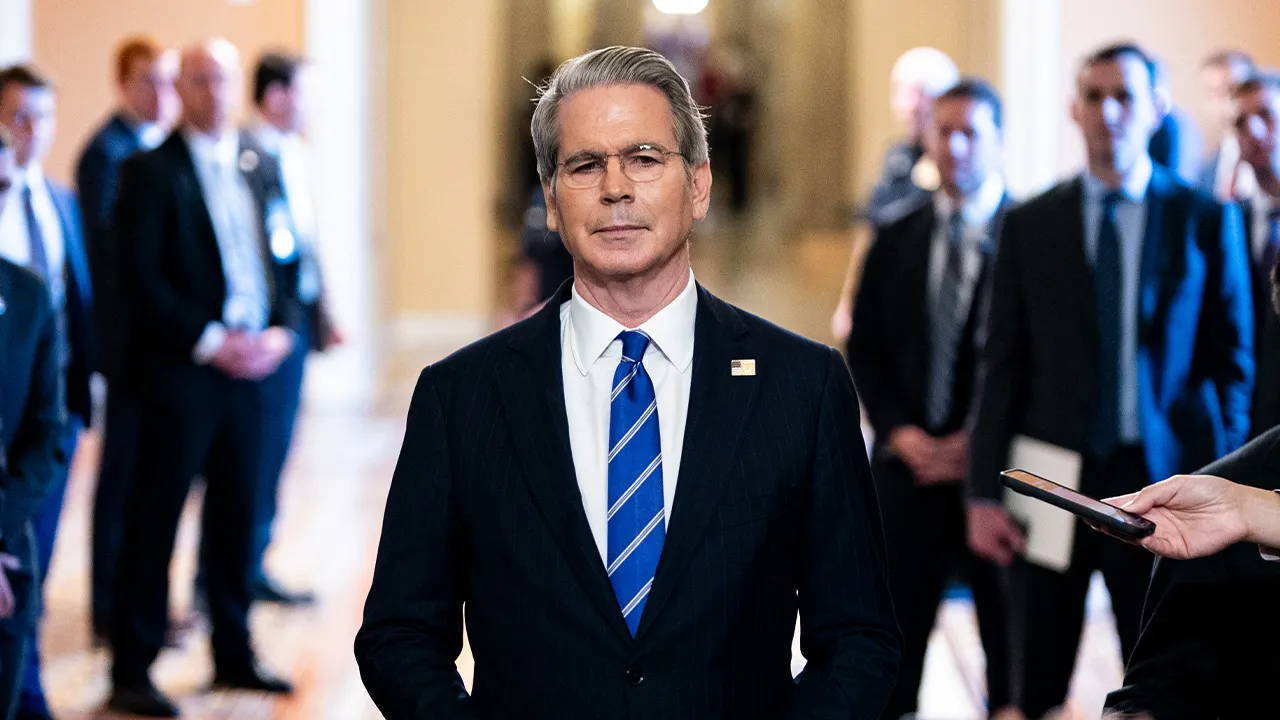

In a significant effort to stem fraudulent activities linked to cross-border payments, the U.S. Treasury Department revealed it had uncovered over $8 billion in suspicious wire transfers reportedly directed by foreign agents. This announcement comes amid the government’s ongoing investigation into fraud perpetrated via nonprofits, monetary channels that may potentially be linked to terrorist organizations. Treasury Secretary Scott Bessent highlighted the Treasury’s efforts in collaboration with law enforcement agencies to track and combat these fraudulent schemes, laying out new guidelines for nonprofits that deal with foreign funding.
| Article Subheadings |
|---|
| 1) Overview of Fraudulent Payments Investigation |
| 2) Treasury’s New Guidelines for Nonprofits |
| 3) Details of the Investigations and Findings |
| 4) The Broader Context of Fraud in Nonprofits |
| 5) The Impact of Investigations on Local Communities |
Overview of Fraudulent Payments Investigation
The investigation into potentially fraudulent wire payments has been a focal point for the U.S. Treasury Department, which holds jurisdiction over monitoring financial transactions that may be associated with criminal activity. The Financial Crimes Enforcement Network (FinCEN) identified that over $8 billion in suspicious transfers were executed through U.S.-based money services businesses between 2021 and 2025. The Treasury Department stated that these transactions were orchestrated under the oversight of foreign agents, reflecting serious concerns about the integrity of financial systems utilized by nonprofits.
The investigations revealed alarming trends where funded projects intended to aid communities were instead manipulated for personal gain, often with the involvement of organized crime. Treasury officials, during various press events, have made it clear that the U.S. is committed to tracing these funds back to their origins to prevent any misuse, especially as some of these funds potentially facilitate terrorism or other illicit activities.
Treasury’s New Guidelines for Nonprofits
In light of the ongoing investigations, the Treasury Department has rolled out new guidelines aimed specifically at nonprofit organizations that accept foreign funding. This initiative necessitates that banks and financial institutions thoroughly vet the donors and funding channels of these nonprofits. Monies intended for charitable causes could be misappropriated if not properly regulated, threatening the very fabric of trust necessary for community engagement.
“This is not just about compliance; it’s about accountability,” stated Bessent, reinforcing the administration’s dedication to ensuring that charitable funds reach their intended beneficiaries and do not become trophies for fraudsters. The guidelines encourage rigorous risk assessments for nonprofits receiving foreign money, establishing a framework to validate their funding sources and the ultimate recipients of their aid.
The Treasury seeks to clarify that accepting foreign funding doesn’t exempt such organizations from scrutiny. They should demonstrate integrity in their operations to uphold the values of charity and serve the public interest.
“Tax-exempt status is not immunity from scrutiny,”
emphasized Bessent, as he urged nonprofits to exhibit transparency in their dealings.
Details of the Investigations and Findings
The investigations spearheaded by FinCEN and other collaborating agencies revealed multiple forms of fraud occurring within charitable organizations. Allegations included the creation of sham charities that diverted funds meant for humanitarian purposes and schemes where insiders embezzled assets for personal enrichment. Through the cooperation of the U.S. FBI and IRS-CI, concrete actions have been initiated, with a notable number of arrests and seizures occurring over the past few years.
During one of the comprehensive investigations in Minnesota, authorities unearthed a large-scale scheme linked to the nonprofit Feeding Our Future, implicated in facilitating the fraudulent processing of contracts for child nutrition programs. In a significant blow to such practices, individuals associated with this organization, including Salim Said, have faced harsh penalties, including lengthy prison sentences for their roles in the deception.
As a result of the intelligence gathered and shared across departments, over 3,000 subpoenas were issued, leading to the prosecution of 115 individuals charged with various counts of fraud. The government’s strong stance on these matters demonstrates the seriousness with which it views such crimes, especially when innocent lives could be adversely affected.
The Broader Context of Fraud in Nonprofits
Fraud within nonprofit organizations is not a new phenomenon; however, the escalating sum of money being funneled through questionable channels raises alarm over regulatory loopholes. The Treasury Department’s proactive measures come at a time when nonprofits are facing an influx of foreign investments, often facilitated by individuals with agendas that might not align with American interests.
Reports have indicated that the rise in foreign funding, exceeding $5 billion in recent years, could pose potential risks—not just for the financial stability of these organizations but fundamentally for citizen trust in charitable endeavors. Allegations have surfaced, pointing to misuse of funds intended for vulnerable populations, which when misdirected could detract from essential support systems established in communities needing help the most.
The alarming connections between some nonprofits and organized crime networks require a rectification of laws governing nonprofit associations and their interactions with finance and global funding sources.
“We are diligently working to eliminate fraud from happening again, in Minnesota or anywhere else,”
reiterated Bessent during a press briefing, illustrating a commitment to restore sanctity around philanthropic initiatives.
The Impact of Investigations on Local Communities
The crackdown on fraudulent practices has fascinated communities, particularly in Minnesota, where the investigations have sparked both safety and social concerns. The local population, somewhat divided over the nature of the raids and subsequent arrests, finds itself in a complex landscape where reputable nonprofits risk being overshadowed by the stigma of fraud allegations. Residents experienced increased police presence, heightened tensions, and engagement with federal agents, which many argue could exacerbate community relations and trust.
With calls for transparency and accountability echoing from community leaders, the necessity for continued dialogue and support across various organizations has become apparent. Efforts are required to ensure the people who depend on charitable services remain unaffected by the bureaucracy surrounding these investigations.
“We cannot lose sight of the need to support our communities while addressing any discrepancies,”
noted a local nonprofit director in a recent interview.
Moving forward, communities must gauge the dual objectives of combatting fraud while fostering environments where honest charity work thrives. This is crucial in preserving faith in charitable systems, where public trust stems from knowing that donations are being used efficiently and ethically.
| No. | Key Points |
|---|---|
| 1 | The U.S. Treasury uncovered over $8 billion in suspicious cross-border wire payments. |
| 2 | New guidelines have been issued for nonprofits to scrutinize their funding sources. |
| 3 | Multiple arrests and substantial prosecutions have resulted from recent investigations. |
| 4 | Concerns over fraud impact community trust in nonprofits and charitable endeavors. |
| 5 | There exists a critical need for transparency to restore faith in the charitable system. |
Summary
The recent investigations into fraudulent financial activities linked to nonprofits reveal significant vulnerabilities in how charitable organizations operate within the influx of foreign funding. As substantial amounts of money are directed toward fraudulent activities, the U.S. Treasury’s effort to enforce guidelines and scrutinize these organizations marks a crucial step toward reinstating trust among the public. For communities relying on these services, it becomes imperative to ensure that their contributions genuinely support philanthropic initiatives rather than fund illicit enterprises.
Frequently Asked Questions
Question: What motivated the U.S. Treasury to investigate fraudulent payments?
The U.S. Treasury aimed to protect the integrity of financial systems and prevent funds intended for charitable purposes from being misappropriated, particularly in association with terrorism and organized crime.
Question: How are nonprofits being affected by the new Treasury guidelines?
Nonprofits are now required to conduct thorough vetting of their funding sources, ensuring that the origins of foreign donations are legitimate and that funds are used responsibly.
Question: What are the implications for communities regarding these investigations?
Communities might experience heightened scrutiny and tensions, as well as the risk of damaging reputations for organizations that are genuinely providing charitable services.
