

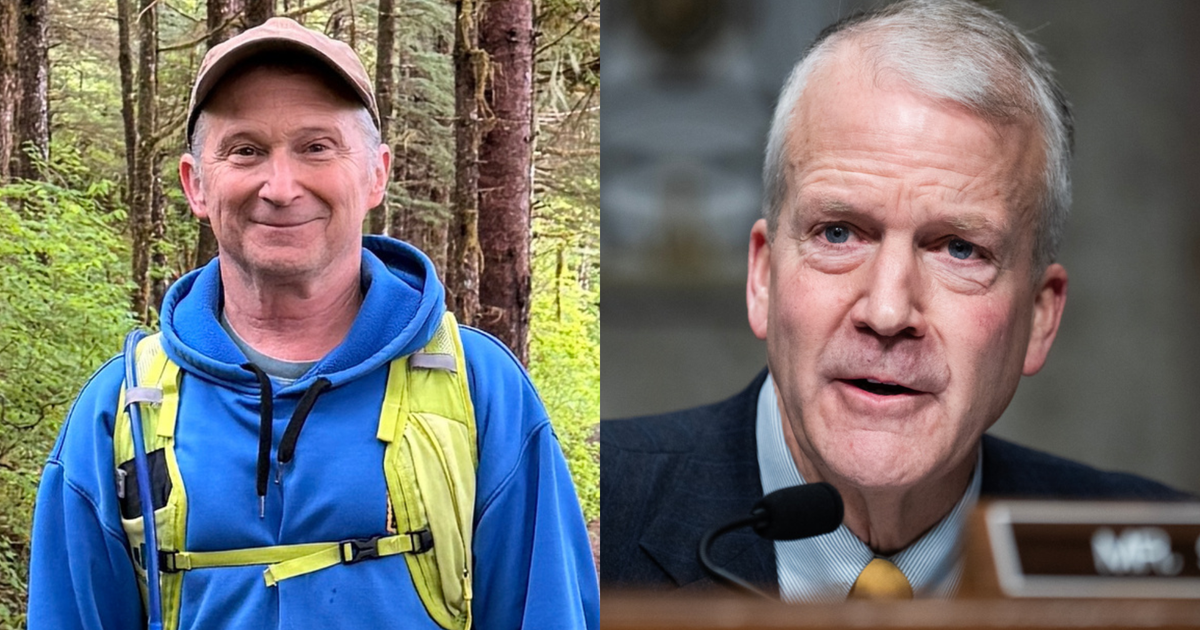

In a polarizing development in Alaska’s Senate race, former President Trump asserted that Democratic candidate Mary Peltola should be barred from running due to allegations of election fraud. This claim arose after it was reported that her campaign may have helped recruit a candidate sharing a similar name to incumbent Republican Senator Dan Sullivan, which could confuse voters. As the election nears, tensions are rising amidst allegations of misconduct, as both Peltola’s campaign and the Democratic Senatorial Campaign Committee (DSCC) deny involvement in the matter.
| Article Subheadings |
|---|
| 1) Allegations of Election Fraud Unveiled |
| 2) The Impact of Duplicate Candidates |
| 3) Legal Actions and Court Decisions |
| 4) Reactions from Key Political Figures |
| 5) The Future of Alaska’s Political Landscape |
Allegations of Election Fraud Unveiled
Former President Donald Trump has claimed that Mary Peltola should be disqualified from Alaska’s upcoming Senate race due to alleged election fraud. This statement follows concerns raised by The New York Times, which detailed how individuals affiliated with Peltola’s campaign reportedly encouraged a candidate with the same name as Republican incumbent Dan Sullivan. Trump described the situation as “ELECTION FRAUD” via a series of posts on his Truth Social platform, stating that such actions warrant prohibition from running. He expressed certainty that such duplicity should not be accepted within the electoral process.
The context of these allegations raises important questions about the integrity of the electoral process. Trump’s remarks reflect broader national concerns regarding voter manipulation and election integrity—issues that have gained increasing traction in U.S. politics. The notion of a “fake candidate” exacerbates the ongoing partisan tensions, which could have significant ramifications on voter perceptions leading into the election.
The Impact of Duplicate Candidates
The race for Alaska’s Senate seat has become a focal point of scrutiny, particularly due to the emergence of a candidate named Daniel J. Sullivan Jr., who shares a name with the incumbent senator. The nonpartisan primary, which occurred earlier this year, allowed voters to select from multiple candidates, including both Peltola and the two Sullivans. The ballot structure enables ranked voting, posing an intriguing challenge for the candidates as well as the electorate as they navigate potential confusion that may arise from the name similarity.
Republicans have expressed frustration towards Daniel J. Sullivan Jr., labeling him a “sham candidate.” However, the candidate has refuted these claims, insisting that his intentions in running are serious and genuine. The ongoing discussion surrounding his candidacy emphasizes the delicate nature of electoral races, especially when they involve various candidates who could potentially mislead voters.
Legal Actions and Court Decisions
The legal saga surrounding this election has seen significant developments. Initially, state officials aimed to keep Daniel J. Sullivan Jr. off the ballot by arguing that his candidacy was misleading to voters and did not constitute a “good-faith” effort. However, the Alaska Supreme Court overruled this decision, allowing him to appear on the ballot. This court ruling has further fueled tensions within the political landscape, as it underscores the complexities of electoral laws and voter rights recognized by the courts.
Complicating matters further, the Justice Department recently filed a lawsuit looking to prevent the election’s certification if Senator Dan Sullivan loses due to purported “voter confusion.” The Attorney General referred to it as an initiative to establish a “guardrail” against potential electoral misconduct. This legal maneuver highlights the backdrop of contention that will define the Alaska Senate race and potentially serve as a precedent for future elections facing similar challenges.
Reactions from Key Political Figures
Responses from political figures have varied significantly. Peltola’s campaign, alongside the DSCC, has strongly denied any involvement in orchestrating Daniel J. Sullivan Jr.’s candidacy. A spokesperson for Peltola emphasized that her campaign’s focus remains squarely on the issues affecting Alaskans, asserting, “Mary got in this race because Alaskans deserve a champion who is fighting to lower their costs and put Alaska first.” The portrayal of her as a perpetrator of electoral manipulation has been firmly rejected.
In contrast, the Sullivan campaign has accused Peltola and her team of operating under an ulterior motive, manipulating the situation to mislead voters. Spokesperson Nate Adams dubbed the situation a relentless cycle of dishonesty, claiming that Alaskans “deserve the truth.” The opposing narratives only serve to heighten the stakes in the race, laying bare the intricate web of partisanship that often characterizes high-profile elections.
The Future of Alaska’s Political Landscape
As the election date approaches, the implications of the electoral strategies employed could shape not just this race but the broader political landscape in Alaska. With allegations of misconduct lingering in the political discourse, Alaskan voters are faced with a significant decision—one that may not solely reflect their political preferences but also their views on election integrity and candidate authenticity. The dynamics of this race could set a precedent in how future elections are navigated, particularly when similar name scenarios arise.
Furthermore, the conduct of political parties in recruiting candidates raises questions about the ethics of electoral campaigning. This incident may provoke further scrutiny of election practices nationwide, prompting debates surrounding the need for clearer regulations to ensure the integrity of electoral processes. As the true impact of this election unfolds, all eyes will be on Alaska to assess the voters’ responses and the implications for political strategies moving forward.
| No. | Key Points |
|---|---|
| 1 | Trump claims Peltola should be disqualified for alleged election fraud surrounding a similar name candidate. |
| 2 | Concerns raised about the impact of duplicate candidates on voter confusion in the Senate race. |
| 3 | Alaska Supreme Court allowed both Sullivans to appear on the ballot despite initial opposition. |
| 4 | Justice Department’s lawsuit seeks to prevent election certification due to potential voter confusion. |
| 5 | The race features intense political narratives, raising questions about election ethics and integrity in Alaska. |
Summary
The unfolding events surrounding Alaska’s Senate race epitomize the challenges faced in contemporary electoral politics. With allegations of misconduct and voter confusion emerging amid a heated campaign, this election could become a watershed moment for how political strategies are utilized and scrutinized. As both local and national stakeholders avidly observe, the outcomes and ensuing discourses may redefine the electoral landscape for future races.
Frequently Asked Questions
Question: What are the main allegations against Mary Peltola?
The allegations suggest that Peltola’s campaign may have assisted in recruiting a candidate with the same name as her opponent, potentially causing voter confusion and issues surrounding election integrity.
Question: How has the Alaska Supreme Court responded to the situation?
The Alaska Supreme Court ruled that Daniel J. Sullivan Jr., the candidate sharing a name with the incumbent, can remain on the ballot despite efforts to have him disqualified.
Question: What legal actions have been taken regarding the election?
The Justice Department filed a lawsuit intended to prevent the certification of the election results if voter confusion, stemming from the existence of two candidates with similar names, significantly impacts the results.
