

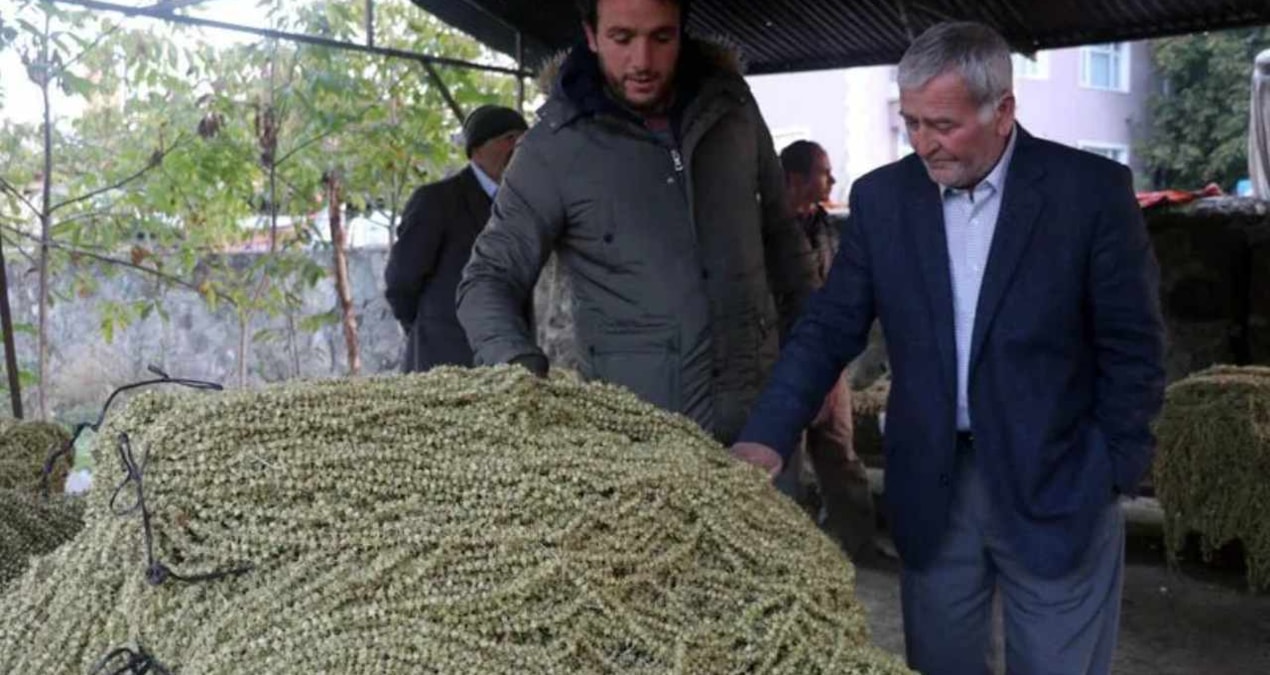

In the picturesque regions of Taşova and Göynücek in Amasya, a unique agricultural product known as flower okra has become a significant contributor to the local economy. Initially sold for just 40 lira per kilogram, through a meticulous drying process, this vegetable dramatically increases in value, reaching as much as 4,000 lira per kilogram at market. The labor-intensive journey from field to table not only exemplifies the dedication of local farmers but also highlights the cultural significance of flower okra, which is deeply woven into the fabric of traditional cuisine.
| Article Subheadings |
|---|
| 1) The Harvesting Process of Flower Okra |
| 2) Transforming Fresh to Dried: A Complex Journey |
| 3) Economic Impact and the Value of Labor |
| 4) Nutritional Benefits of Dried Flower Okra |
| 5) Cultural Significance in Regional Cuisine |
The Harvesting Process of Flower Okra
In an effort to maintain quality, flower okra is meticulously harvested at a specific time. The seeds are sown in April, taking advantage of the rich, fertile lands of Taşova and Göynücek. By mid-June, the intense labor begins as farmers prepare for the harvest. Flower okra is distinctive because it blossoms into tiny, yellow fruits. These fruits are collected manually at dawn, before the sun rises, allowing them to maintain their freshness. This collection process is not merely about picking vegetables; it represents a test of patience and an acknowledgment of the hard work required to cultivate a quality product. Farmers emphasize the need to harvest these delicate fruits at their smallest size, ensuring the highest quality for drying.
Transforming Fresh to Dried: A Complex Journey
After harvesting, the preparations for the drying process begin. Each flower okra pod is carefully separated from its stem and threaded onto strings, a task often performed with great care and attention. These strings are then hung in shaded, airy places where the pods can dry effectively over several weeks. During this drying process, the transformation from fresh to dried fruit results in significant weight loss. It takes between 10 to 12 kilograms of fresh okra to yield merely 1 kilogram of dried okra. This significant reduction highlights the challenges faced during the drying stage and contributes to the product’s high market value. The drying phase, while essential, also leads to considerable wastage, further complicating the economics of flower okra farming.
Economic Impact and the Value of Labor
The financial implications of flower okra production are considerable. The price difference between fresh and dried flower okra is staggering; from an initial 40 lira per kilogram to an astronomical 4,000 lira. Local farmers, such as Mehmet Yılmaz, who has dedicated many years to okra production, urge outsiders to appreciate the extensive labor that goes into this process. In their views, the final price is not simply a reflection of market demand but a reward for the hard-earned labor of the growers. The odyssey from field to market is strenuous, as collected okra has to be transported home each day. Producers often work until midnight, stringing okra and preparing it for drying. Thus, the economic benefits derived from flower okra radiate throughout the community, serving as a lifeline, especially for families dependent on this trade.
Nutritional Benefits of Dried Flower Okra
The appeal of dried flower okra goes beyond its economic benefits; it also boasts a myriad of health advantages that drive consumer demand. Once dried, flower okra intensifies in flavor, becoming a staple ingredient in traditional wedding soups and various meat dishes. Rich in soluble fiber, dried okra is known for its digestive benefits, effectively regulating the digestive system and balancing stomach acid, thus alleviating issues like reflux and gastritis. Additionally, it is a powerhouse of vitamins C and K, which are crucial for maintaining a robust immune system and supporting joint health during the winter months. These health benefits lend flower okra its value as not just an ingredient in local cuisine, but also as a natural remedy treasured by the community.
Cultural Significance in Regional Cuisine
Flower okra holds a cherished place within the culinary traditions of the region. Beyond its economic impact and nutritional benefits, it represents an integral part of local culture and communal gatherings, particularly weddings. As local dishes are elevated with the inclusion of dried flower okra, its use transcends the kitchen, embedding itself deep within cultural and social rituals. The vegetable has become emblematic of the region’s identity, with farmers and families alike taking immense pride in having cultivated such a unique and beneficial product. As flower okra continues to thrive, it remains a testament to the hard work of producers in Taşova and Göynücek, affirming its status as a cornerstone of both the local economy and cultural heritage.
| No. | Key Points |
|---|---|
| 1 | Flower okra is harvested for 40 lira per kilogram in fields, but can be sold for up to 4,000 lira dried. |
| 2 | The harvesting process requires handpicking small fruits at dawn for optimal quality. |
| 3 | It takes approximately 10 to 12 kilograms of fresh okra to produce 1 kilogram of dried okra. |
| 4 | Dried okra provides numerous health benefits; it is rich in vitamins and aids in digestion. |
| 5 | Flower okra holds cultural significance, particularly in regional dishes and traditional celebrations. |
Summary
The journey of flower okra from field to market encapsulates not only an agricultural marvel but also the dedication of farmers in the Taşova and Göynücek regions. With a staggering transformation in value and numerous health benefits, this unique vegetable has cemented its status as a foundation of local culture and economy. Its high market price reflects the labor-intensive process behind its production, making it a vital economic resource in the area.
Frequently Asked Questions
Question: What economic benefits does flower okra provide to local farmers?
Flower okra serves as a significant source of income for local farmers, offering a dramatic price increase from fresh to dried form, thus supporting the local economy.
Question: How is the harvesting of flower okra conducted?
Flower okra is harvested by hand at dawn when the fruits are at their smallest size, ensuring maximum quality for subsequent drying.
Question: What are the health benefits of consuming dried flower okra?
Dried flower okra is rich in vitamins and soluble fiber, aiding digestion and boosting the immune system while providing various health benefits.
