

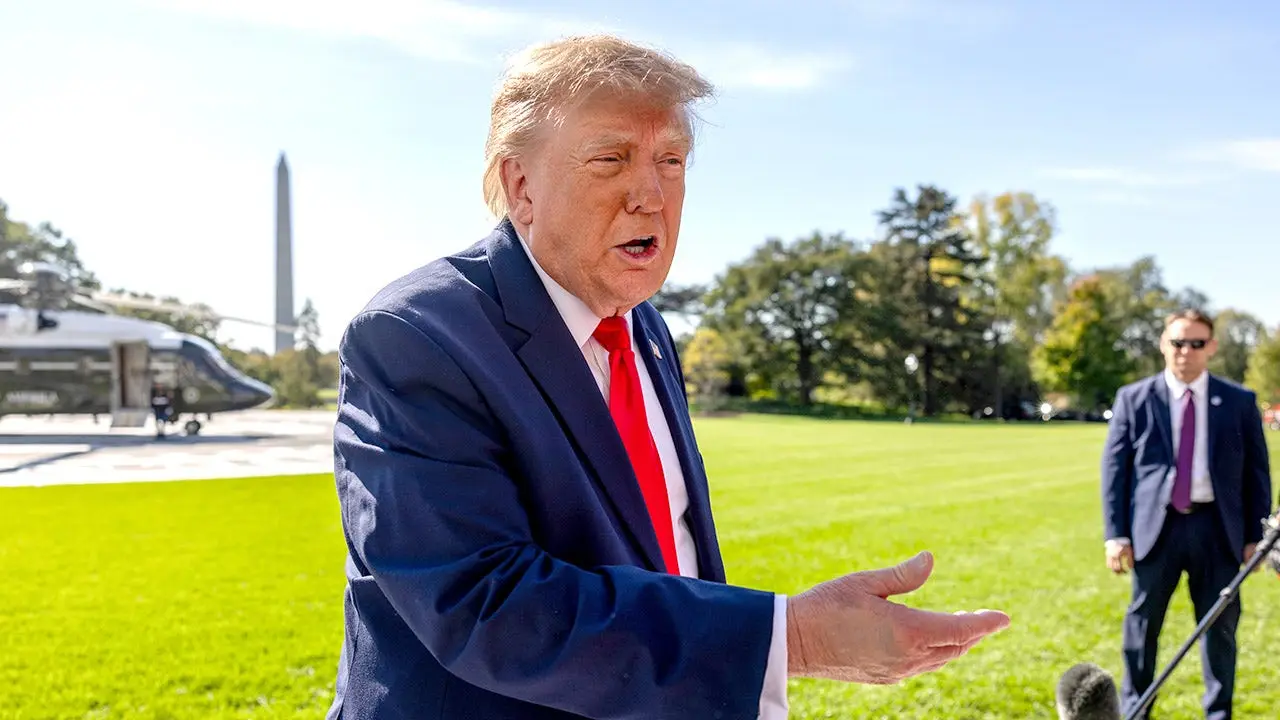

In a significant ruling just days ahead of the midterm elections, a federal judge has issued a temporary restraining order against the Trump administration, barring it from threatening election workers with criminal prosecution over ballots associated with suspected noncitizens. U.S. District Judge Trina Thompson found that such threats likely infringe upon the Voting Rights Act’s protections against voter intimidation. The ruling comes amid heightened scrutiny of the administration’s attempts to ensure election integrity and prevent noncitizen voting, following claims of possible voter fraud in key battleground states.
| Article Subheadings |
|---|
| 1) Overview of the Federal Judge’s Ruling |
| 2) Context Behind the Ruling |
| 3) Implications for Election Workers |
| 4) The Broader Legal Landscape |
| 5) Public Response and Next Steps |
Overview of the Federal Judge’s Ruling
On Friday, a pivotal ruling emerged from U.S. District Judge Trina Thompson, who temporarily barred the Trump administration from threatening election workers with criminal prosecution over ballots believed to belong to suspected noncitizens. This ruling specifically addresses actions that could intimidate election officials and disrupt the voting process. Judge Thompson emphasized that “one of the hallmarks of a fair election is the freedom to exercise the right to vote free from threat, fear, or intimidation.”
The judge’s order directly counters the administration’s recent efforts to challenge the legality of certain ballots in advance of the upcoming elections on November 3. By finding the administration’s actions likely in violation of the Voting Rights Act, the ruling underlines court sentiments that prioritize the protection of voters’ rights. She noted the urgency of preventing any intimidation tactics as ballots had already been issued and voting was underway.
Context Behind the Ruling
The backdrop leading to this ruling involves a series of actions by the Trump administration aimed at taking a hard stance against suspected noncitizen voting. The administration had initiated inquiries to state election officials, demanding voter registration information purportedly to validate the citizenship of voters. Critics argue that these moves not only threaten voter rights but also contribute to an atmosphere of fear among election workers.
In the days leading up to the election, pressure has mounted from various civil rights organizations and labor unions. The lawsuit was spearheaded by influential groups such as the Service Employees International Union and the NAACP, who contend that the administration’s tactics reflect a broader agenda that seeks to disenfranchise eligible voters. Judge Thompson’s ruling marks a significant judicial pushback against these developments.
Implications for Election Workers
With the backdrop of extensive litigation surrounding voter rights, Judge Thompson’s order seeks to insulate election workers from undue pressures imposed by federal authorities. The ruling explicitly forbids federal officials from coercing state and local election workers to abandon their duties pertaining to ballot processing under the pretense that certain voters may lack eligibility.
As a result, election workers can now operate under the understanding that their roles are protected from federal overreach and intimidation. Judge Thompson underscored the public interest in allowing election personnel to execute their responsibilities without fear of reprisal, noting that the official election day was just around the corner. This ruling comes as a critical assurance for those on the front lines of the electoral process.
The Broader Legal Landscape
The ramifications of Thompson’s ruling extend beyond just the immediate protections for election workers. Earlier on the same day, a different legal challenge unfolded when the Ninth U.S. Circuit Court of Appeals denied an emergency request from the Trump administration to set aside mail-in ballots from approximately 20,000 voters alleged to be noncitizens while the administration verified their citizenship status. This decision further complicates the administration’s attempts to enforce its directives concerning voter eligibility.
Both legal decisions reflect a heightened scrutiny of the administration’s approach to voting rights and indicate a judicial willingness to uphold the principles embedded in the Voting Rights Act. As lawsuits pile on against various federal measures discouraging alleged noncitizen voting, the courts increasingly serve as battlegrounds for electoral fairness.
Public Response and Next Steps
In the wake of Judge Thompson’s ruling, public reactions have been robust. Civil rights advocates have welcomed the decision as a safeguard against voter intimidation, marking it as a victory for democratic processes. The ruling provides them with a renewed sense of relief that the integrity of the electoral process will be preserved against coercive governmental actions.
As November 3 approaches, the implications of these rulings are likely to resonate in election strategies across various states. For the Trump administration, the setbacks represent a crippling obstacle just days before a crucial election that could shape control of Congress. The Justice Department has been contacted for their response, but at this stage, it remains to be seen how they will proceed in light of this judicial scrutiny.
| No. | Key Points |
|---|---|
| 1 | The federal judge’s temporary ruling prevents the Trump administration from intimidating election workers regarding ballots linked to suspected noncitizens. |
| 2 | This legal decision comes shortly before the midterm elections, emphasizing the urgency of protecting voters’ rights. |
| 3 | Judge Thompson’s order reinforces the protections afforded to election workers amidst federal overreach allegations. |
| 4 | The ruling coincides with similar setbacks for the Trump administration in other federal courts concerning mail-in ballot disputes. |
| 5 | Reactions from civil rights groups indicate strong support for maintaining the integrity of the electoral process. |
Summary
The ruling by U.S. District Judge Trina Thompson emerges as a critical intervention in the ongoing discourse surrounding election integrity and voter rights. By prohibiting threats against election workers, the decision highlights the necessity of safeguarding the electoral process from intimidation tactics just before a pivotal election. As legal challenges continue to unfold, the implications of these rulings will likely have lasting impacts on the intersection between governance and voting rights in the United States.
Frequently Asked Questions
Question: What was the basis of Judge Thompson’s ruling?
The ruling was based on the likelihood that the Trump administration’s threats against election workers violated the Voting Rights Act’s prohibition against voter intimidation.
Question: What organizations were involved in bringing this lawsuit?
The lawsuit was initiated by labor unions and civil rights organizations, notably the Service Employees International Union and the NAACP.
Question: How does this ruling affect election workers?
The ruling provides protections for election workers, ensuring they can perform their duties without fear of intimidation or coercion from federal authorities regarding ballots they process.
