

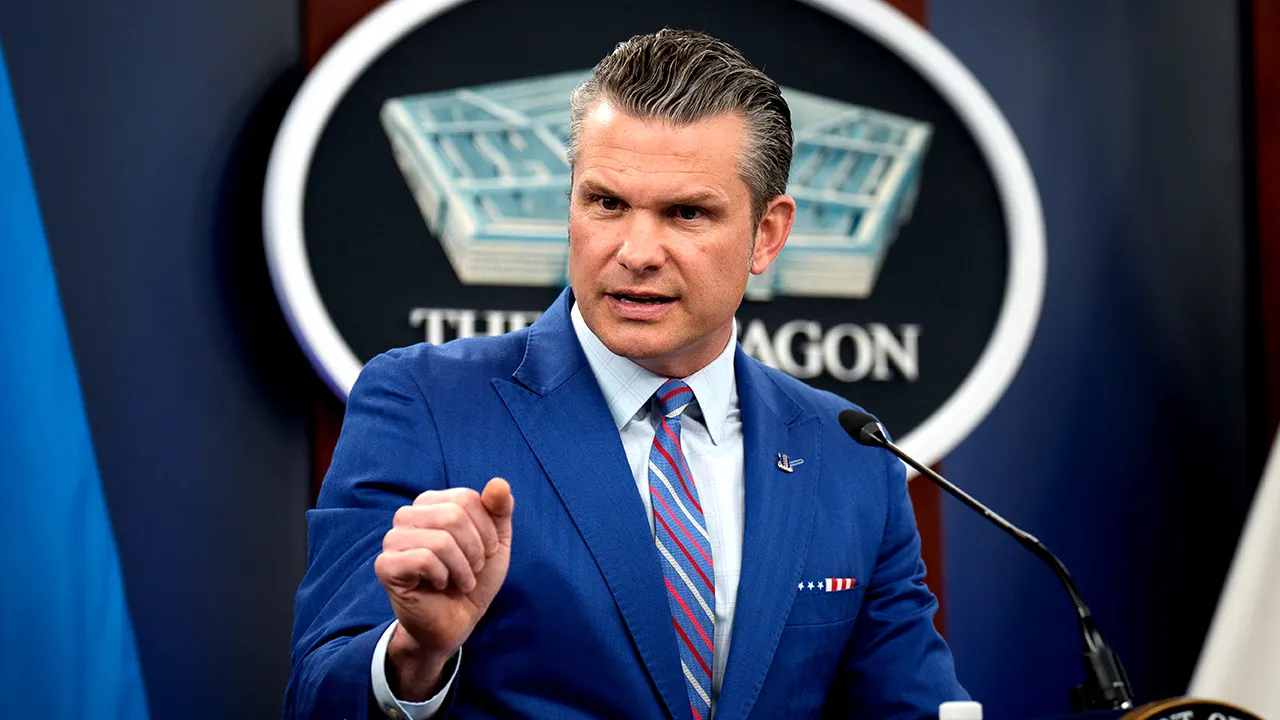

In a significant move regarding election security, Secretary of War Pete Hegseth has mobilized U.S. military intelligence and cyber agencies to safeguard the upcoming midterm elections from foreign interference. This directive, framed as a “no-fail mission,” broadens existing efforts established following previous threats, particularly those from Russia. As the electoral landscape changes, the Pentagon’s commitment to thwarting foreign adversaries reflects a proactive approach to protecting the integrity of American democracy.
| Article Subheadings |
|---|
| 1) The Directive: Overview and Intent |
| 2) Current Threat Landscape |
| 3) Historical Context of Election Security |
| 4) Agencies Involved in Securing Elections |
| 5) The Importance of Vigilance in Voting |
The Directive: Overview and Intent
In September, Secretary Hegseth issued a sweeping directive mobilizing military intelligence resources and cyber capabilities to address potential threats to the electoral process. This initiative mandates that all intelligence assets be aligned toward preventing foreign interference in the elections scheduled for 2026, emphasizing election security as a critical mission. The directive encapsulates a robust commitment to safeguarding American democracy, especially in light of past incidents of foreign meddling.
The directive specifies that the Defense Department’s intelligence apparatus—including the National Security Agency (NSA) and U.S. Cyber Command—must extend its vigilance beyond previous mandates, ensuring that all available resources, partnerships, and technological capabilities are dedicated to this “no-fail mission.” The urgency of this directive suggests that officials are acutely aware of the vulnerabilities in the electoral system, given the global rise of disinformation campaigns and cyber threats.
Hegseth’s focus aligns with concerns that foreign adversaries could disrupt U.S. elections by influencing voters or undermining trust in the electoral process itself. By mobilizing military intelligence, the Pentagon aims to proactively detect and counteract foreign efforts, potentially averting incidents akin to those observed in prior elections.
Current Threat Landscape
As the 2026 midterm elections approach, the threat landscape remains complex and dynamic. U.S. intelligence reports indicate that adversaries such as Russia, China, and Iran remain active in their attempts to interfere with American democracy. Each nation engages in disinformation campaigns geared towards undermining candidates and manipulating public perception.
Reports from intelligence officials illustrate a pronounced emphasis on the use of disinformation tactics aimed at targeting candidates, especially those perceived as oppositional. Russia, notably, has been characterized as the most prominent threat, employing aggressive strategies to sow discord among the American populace.
In contrast, China’s interference appears more calculated, predominantly aimed at candidates who challenge its interests. These multifaceted threats highlight the necessity for an integrated response, leading to the mobilization of all necessary military and intelligence assets to bolster the security of the electoral process.
Historical Context of Election Security
The evolution of election security measures dates back to the aftermath of the 2016 presidential election, widely recognized for its geopolitical implications and the ensuing investigations into Russian interference. In reaction to these events, a collective effort was established among various military and intelligence agencies to fortify the electoral process against external threats. This culminated in the formation of specialized groups within the Cyber Command and NSA aimed at addressing emerging risks.
By 2018, the agencies had mobilized a task force dubbed the ‘Russia Small Group,’ later transforming into the Election Security Group, which combined intelligence-gathering efforts with operational capabilities. Even under the leadership of previous commanders, election security was framed as an “enduring mission,” reflecting its ongoing significance.
The continuity and evolution of these strategies signify a long-term commitment to enhancing national security measures surrounding voting processes. Hegseth’s directives build upon this established framework, reaffirming the military’s role in securing elections at a time when public trust in the electoral process is paramount.
Agencies Involved in Securing Elections
The directive extends beyond Cyber Command and the NSA, incorporating various agencies within the Department of War. The Defense Intelligence Agency and the National Geospatial-Intelligence Agency have also been commissioned to play a part in analyzing foreign threats to U.S. elections. The collaboration among these agencies underscores a broad-based approach to tackling the multi-faceted nature of foreign interference.
In practice, this coordinated effort entails ongoing surveillance of international actors to identify potential threats and provide intelligence assessments to civilian counterparts, including the Department of Homeland Security and the FBI. The primary goal remains clear: safeguard the electoral process while minimizing the risk of external disruptions.
While the Pentagon’s directive reinforces established operations, it remains unclear how these new orders translate into immediate actions, particularly as elections draw closer. No additional personnel or resources have been disclosed, leaving uncertainty regarding operational enhancements at tactical levels.
The Importance of Vigilance in Voting
In conclusion, the ongoing preparations and vigilance demanded by Secretary Hegseth highlight the critical importance of protecting the integrity of U.S. elections. As foreign adversaries continue to develop sophisticated strategies for interference, proactive measures are essential to ensure that electoral processes remain fair, accessible, and trustworthy.
Recent assessments reveal no immediate evidence of planned foreign interference in existing voting infrastructure, yet the risk remains omnipresent. Intelligence officials are cautioning voters to stay vigilant, particularly against disinformation campaigns that capitalize on emerging technologies, such as artificial intelligence.
With the upcoming midterms, the collaboration of military intelligence and civilian agencies aims to reinforce public confidence in the electoral process and ensure that threats from adversarial nations do not compromise the democratic foundation of the United States.
| No. | Key Points |
|---|---|
| 1 | Secretary Hegseth has mobilized military intelligence agencies to secure U.S. elections against foreign interference. |
| 2 | The directive emphasizes a “no-fail mission” standard for election security, indicating heightened agency responsiveness. |
| 3 | Current threats from foreign adversaries, particularly Russia and China, remain a top concern for U.S. security. |
| 4 | The military’s role in election security is historical, evolving significantly since the 2016 election interference incidents. |
| 5 | Vigilance during the voting process is emphasized, especially against the backdrop of increasing disinformation tactics. |
Summary
The comprehensive approach to enhancing election security, as initiated by Secretary of War Pete Hegseth, signifies a crucial step in safeguarding the democratic process from foreign threats. As the midterm elections approach, ensuring the integrity of the voting process is paramount, reflecting a broader commitment to maintaining public trust and confidence in American democracy. By leveraging military intelligence capabilities and fostering collaboration among federal agencies, officials are taking proactive steps to counteract potential interference and mitigate risks posed by adversarial nations. The upcoming elections will serve as a critical test of these preparations and the efficacy of ongoing efforts against foreign influence.
Frequently Asked Questions
Question: What actions are being taken to secure the U.S. elections?
The Pentagon has directed military intelligence and cyber agencies to mobilize resources and capabilities to prevent foreign interference in elections, aiming for a comprehensive security approach.
Question: Who are the primary foreign threats to U.S. elections?
Reports indicate that Russian, Chinese, and Iranian entities are the main foreign threats, with Russia being identified as the most active in terms of influence operations.
Question: How has the role of the military in election security evolved?
The military’s role in election security has grown significantly since 2016, evolving into a structured framework involving specialized groups focused on tracking and countering foreign interference.
