

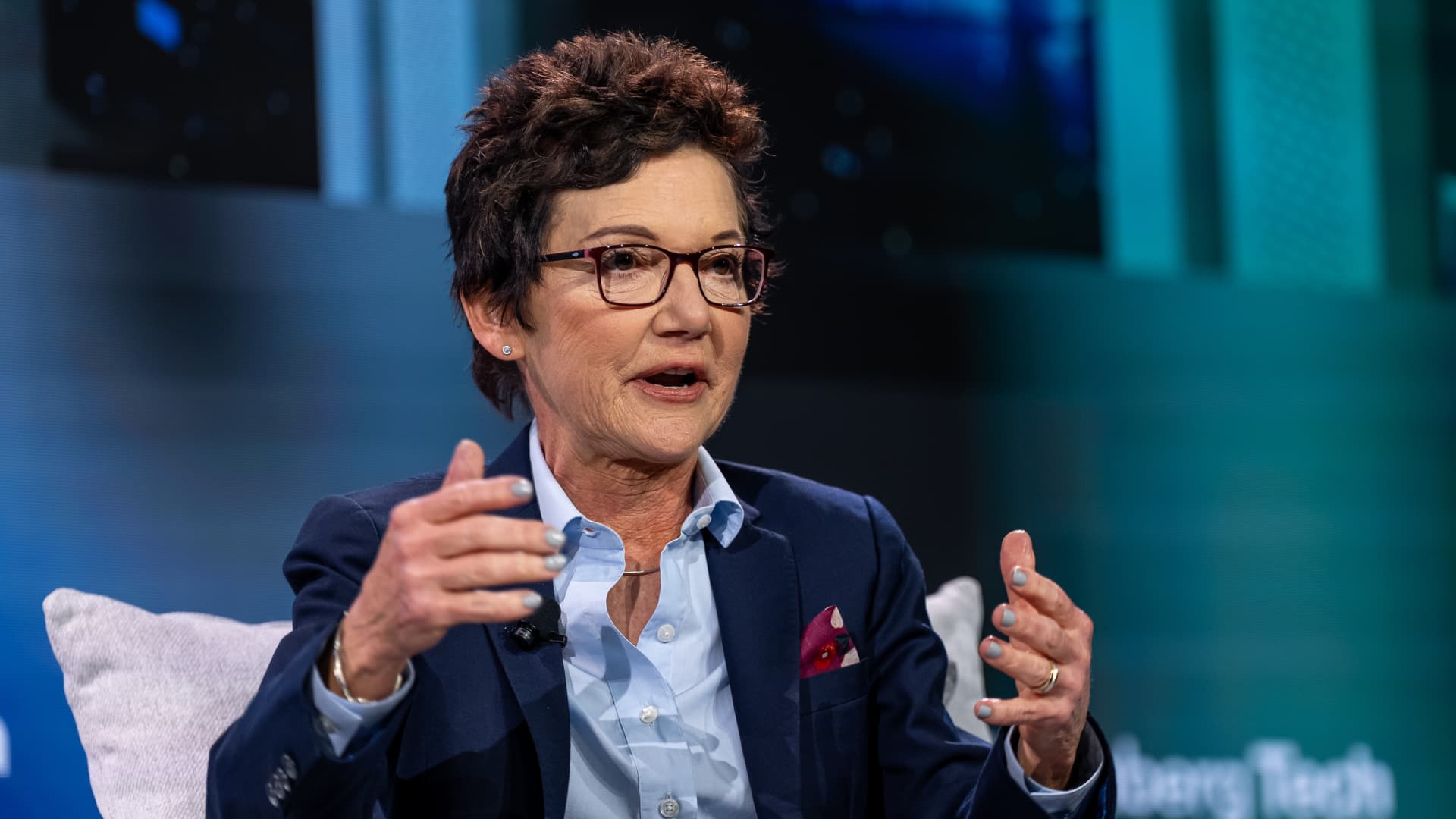

On Friday, Mary Daly, President of the San Francisco Federal Reserve, indicated that the Federal Reserve is likely to raise interest rates further due to continued inflation pressures. Speaking in a live interview, Daly highlighted the unpredictable nature of timing and implementation of these rate hikes. Her remarks aligned with the release of the Bureau of Labor Statistics report showing that the U.S. economy added 165,000 jobs in October, surpassing Wall Street expectations, while the unemployment rate decreased to 4.1%.
| Article Subheadings |
|---|
| 1) Federal Reserve’s Interest Rate Outlook |
| 2) Job Growth and Unemployment Figures Analyzed |
| 3) Inflation and Household Finances |
| 4) Policymakers’ Perspectives on Economic Growth |
| 5) Future Actions by the Federal Open Market Committee |
Federal Reserve’s Interest Rate Outlook
In her interview, Mary Daly discussed the conditional nature of future interest rate hikes, emphasizing that the timing and amount are still under review. The Federal Reserve’s monetary policy-makers are keeping a close watch on various economic indicators to guide their decisions. Such actions arise from a desire to stabilize inflation while promoting economic growth.
The implications of a potential interest rate increase extend beyond immediate financial markets; they affect consumer borrowing, spending, and overall economic activity. As borrowing costs rise, both individuals and businesses may rethink their spending plans, potentially influencing economic momentum in the coming months. This becomes crucial when navigating through the current economic landscape, where inflation remains a pressing concern.
Job Growth and Unemployment Figures Analyzed
The recent Bureau of Labor Statistics report indicates a positive trend in the labor market, with the U.S. economy adding 165,000 jobs in October. This figure has exceeded Wall Street’s expectations, which anticipated more conservative growth rates. Additionally, the unemployment rate dipped to 4.1%, reflecting a tightening labor market.
This report is regarded as “good news for American workers,” according to Daly, as it demonstrates job creation at a much higher pace than the consensus estimate provided by analysts. Such strong job creation numbers may provide policymakers with the confidence to proceed with rate hikes, as employment is closely tied to consumer confidence and spending patterns.
Inflation and Household Finances
Despite positive job numbers, Daly pointed out the significant concerns surrounding inflation and its impact on household finances. Average hourly earnings rose by 3.1% annually in October; however, the inflation rate, measured by the Consumer Price Index (CPI), for September was higher at 3.7%. This discrepancy poses challenges for families trying to manage their budgets amid rising living costs.
Daly remarked on the phenomenon of workers feeling “on a treadmill of high inflation,” as consumers notice increasing prices while their real wages struggle to keep pace. Such economic conditions create stress for families who may feel squeezed between stagnant wage growth and rising prices. The focus remains on balancing job creation with inflation management to ensure financial relief for households across the nation.
Policymakers’ Perspectives on Economic Growth
While Daly expressed optimism regarding job stability, she conveyed a sense of caution regarding the long-term shadow cast by persistent inflation. The Federal Reserve aims to strike a balance between supporting economic growth and curbing inflationary pressures. Her views resonate with those of other policymakers, such as Thomas Barkin, President of the Richmond Fed, who noted the complications of navigating an uncertain economic environment.
Despite concerns about inflation, both officials agreed that the job market remains resilient. The perspectives shared suggest that while growth may not be booming, it remains steady, enabling the labor market to absorb shocks. The challenge lies in ensuring that wage growth aligns with inflation to foster real purchasing power among consumers.
Future Actions by the Federal Open Market Committee
The Federal Open Market Committee (FOMC) maintains a cautious approach to future interest rate decisions. In a recent meeting, the committee opted against an immediate follow-up rate hike following their September increase to a target range of 3.75%-4%. The meeting highlighted an inclination to await more comprehensive economic data before making further decisions.
As policymakers, including Daly and Barkin, prepare for their upcoming votes within the FOMC, discussions will continue on the best strategies to address varying economic signals. A gradual approach has been favored, reflecting an understanding of the uncertainties that characterize the current economic landscape.
| No. | Key Points |
|---|---|
| 1 | Federal Reserve President expects interest rates may need to rise. |
| 2 | U.S. economy added 165,000 jobs in October, surpassing expectations. |
| 3 | Inflation continues to pressure household finances, with CPI outpacing wage growth. |
| 4 | Policymakers express cautious optimism about job stability amid inflation concerns. |
| 5 | Federal Open Market Committee favors a gradual approach in decision-making. |
Summary
In summary, the outlook from the Federal Reserve emphasizes the need for careful monitoring of both labor market dynamics and inflationary pressures. The positive job growth reported in October offers grounds for optimism, but the implications of rising costs continue to pose challenges for American workers. As policymakers evaluate the next steps for interest rates, the focus remains on achieving a balance that fosters both growth and stability in the economy.
Frequently Asked Questions
Question: What does the Federal Reserve’s interest rate hike mean for consumers?
An increase in interest rates generally leads to higher borrowing costs for consumers, affecting loans, mortgages, and credit card rates, which can lead to decreased consumer spending.
Question: How does job growth affect the economy?
Job growth can stimulate economic activity as it increases consumer confidence and spending capacity, leading to economic expansion and overall prosperity.
Question: Why is inflation a concern for policymakers?
Inflation can erode purchasing power, making it difficult for consumers to afford goods and services, which can destabilize the economy if not managed properly.
