

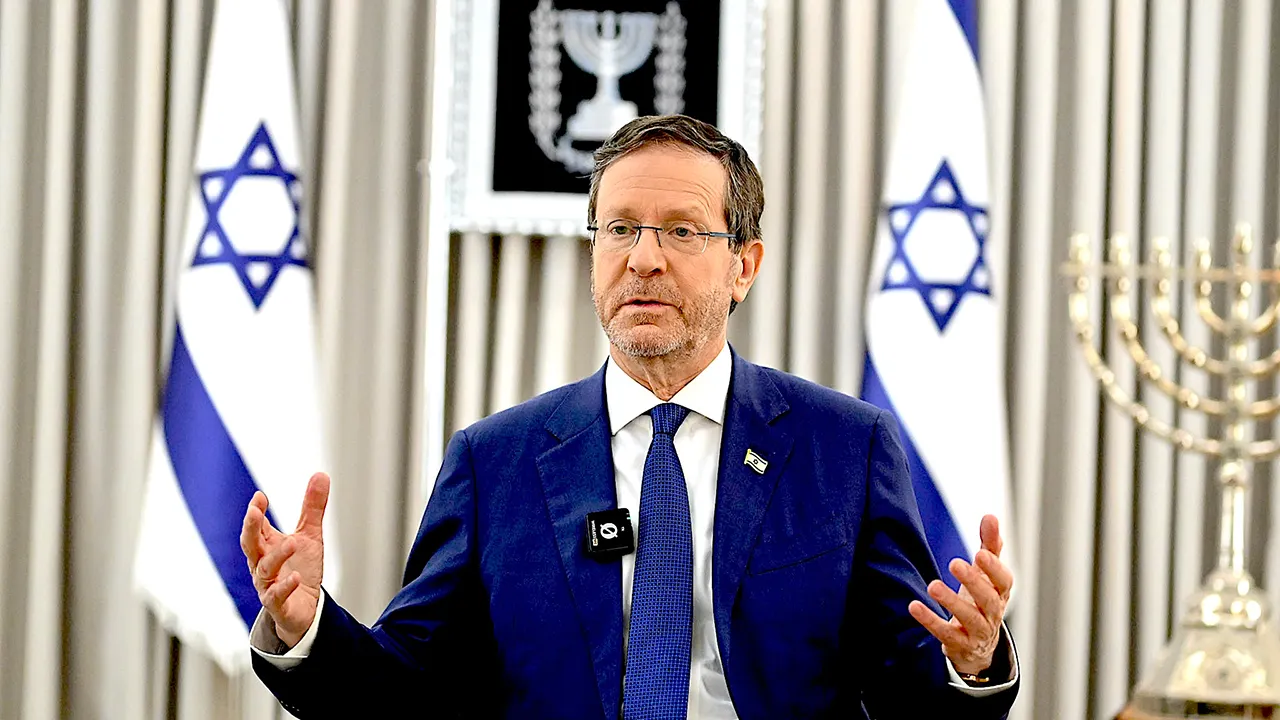

After a recent inconclusive election, Israeli President Isaac Herzog has appointed opposition leader Gadi Eisenkot to form the next government, marking a crucial development in the ongoing political turmoil. Following the parliamentary elections, a coalition of parties supporting Eisenkot represents 67 members of the Knesset out of a total of 120. However, the challenge for Eisenkot lies in navigating the deep political divides and disagreements among various factions, which complicates the formation of a stable government. With time constraints looming, Eisenkot has 28 days, with a potential 14-day extension, to solidify a coalition amidst these complexities.
| Article Subheadings |
|---|
| 1) Decision by President Herzog: Who is Gadi Eisenkot? |
| 2) The Political Landscape: Recent Election Results and Outcomes |
| 3) Eisenkot’s Vision: Proposals for a National Emergency Government |
| 4) Obstacles Ahead: Coalition Negotiations and Party Dynamics |
| 5) Summary of Implications: Future of Israeli Politics at Stake |
Decision by President Herzog: Who is Gadi Eisenkot?
On November 7, Israeli President Isaac Herzog officially chose Gadi Eisenkot as the designated person to attempt the formation of a new government following the election results. Eisenkot, a prominent figure and leader of the Yashar party, was recommended by factions holding a total of 67 seats in the Knesset. This number, while significant, does not translate to an outright majority needed for a stable government, highlighting the complexities of the current political climate in Israel. The president’s announcement came just days after a series of consultations with various parliamentary factions aimed at finding a viable candidate to lead the country.
Eisenkot’s positioning as an opposition leader means he presents a viable challenge to the longstanding reign of Prime Minister Benjamin Netanyahu. With a background as a former army chief, Eisenkot is somewhat of a fresh face in Israeli politics, bringing military experience and a vision focused on addressing national security issues. His proposed government is touted as a “National Emergency Government,” addressing the pressing political and security crises Israel faces.
The Political Landscape: Recent Election Results and Outcomes
In the recent elections held on October 27, 2026, Netanyahu’s Likud party secured the most seats, emerging as the largest single party with 27 seats. However, the entire right-wing bloc, which includes Likud, amassed only 53 seats, insufficient for a governing majority. In contrast, Eisenkot’s coalition, while garnering widespread support, falls short of the 61 seats required for a parliamentary majority, igniting ongoing discussions and negotiations among various parties.
After thorough consultations, the political support landscape shows that some factions, including Arab parties like the Joint List and Ra’am with a combined total of 19 seats, have backed Eisenkot. However, this endorsement brings complications since many of Eisenkot’s prospective coalition partners have previously insisted against forming a government dependent upon Arab legislative backing.
President Herzog described the endorsement results as “clear,” yet he also indicated that competing political demands are creating significant uncertainties in forming a new government. The necessity for a coalition underscores the fragmented political dynamics within the Knesset, as parties struggle to align on shared goals and principles.
Eisenkot’s Vision: Proposals for a National Emergency Government
Upon receiving the presidential mandate, Eisenkot quickly laid out a plan for what he describes as a National Emergency Government. This proposed structure is intended not only to replace Netanyahu but also to tackle ongoing security dilemmas that have plagued the country. Eisenkot emphasized that Israel is in a preeminent state of danger, asserting that ongoing political instability could exacerbate existing security threats.
In his initial statement, Eisenkot highlighted four foundational principles for his envisioned government. These principles focus on recognizing Israel as a democratic and Jewish state, upholding the values of Israel’s Declaration of Independence, promoting universal military or civilian service, and designating Hamas as a terrorist organization, with a commitment to dismantling its military capabilities. These proposals aim to unify his coalition and appeal to lawmakers across the political spectrum while still being mindful of existing political divisions.
Obstacles Ahead: Coalition Negotiations and Party Dynamics
One of the primary challenges facing Eisenkot is the potential of reconciling differences within his coalition. While his initial endorsements showcase broad support, the discrepancies among parties regarding military service obligations and governmental dependence on Arab parties pose imminent threats to his coalition efforts. Moreover, securing the necessary parliamentary backing requires navigating complex intra-party disagreements, especially among more conservative factions within his broad coalition.
Eisenkot’s call for compromise is echoed by key figures such as Avigdor Lieberman, leader of the Yisrael Beitenu party. Lieberman has recently signaled flexibility regarding military conscription for ultra-Orthodox Jews— a position that has traditionally obstructed cooperation with religious parties. However, significant hurdles remain, particularly with the ultra-Orthodox parties seeking exemptions for yeshiva students from military service, which contradicts Eisenkot’s push for universal service.
While the broader coalition appears promising, Eisenkot’s discussions over government formation could lead to either a functioning coalition or deeper political deadlocks. The potential for a minority government remains in discussions, but reliance on Arab parties for support has been firmly rejected by several coalition partners, including Lieberman, further complicating the path forward.
Summary of Implications: Future of Israeli Politics at Stake
The significance of Eisenkot’s attempts to form the next government cannot be overstated. The results of the recent election not only reflect a shifting political tide in Israel but also indicate an essential juncture in the country’s governance. As political negotiations continue, the stakes are exceedingly high. The complexities surrounding coalition dynamics, particularly regarding military service and collaboration with Arab parties, could either pave the way for a new governing body or lead to further political turmoil and potentially another election.
As it stands, Netanyahu continues as the caretaker prime minister during this delicate negotiation period. The prime minister’s attempts to contest the election results and raise concerns over voting irregularities add another layer of complexity to this unfolding political scenario. The integrity of the electoral process has been reaffirmed by Israel’s Central Elections Committee, asserting no significant deviations in the electoral process occurred, moving the country forward with its need for stability and effective governance.
| No. | Key Points |
|---|---|
| 1 | Israeli President Isaac Herzog appointed Gadi Eisenkot to attempt forming a new government. |
| 2 | Eisenkot’s coalition represents 67 members but lacks a parliamentary majority. |
| 3 | Coalition negotiations face obstacles regarding military service and collaboration with Arab parties. |
| 4 | Eisenkot proposed a National Emergency Government to address pressing security and political issues. |
| 5 | Current developments could lead to further political instability or a potential new election. |
Summary
The political situation in Israel remains precarious as Gadi Eisenkot grapples with the task of forming a government amid significant challenges. The support from multiple factions encourages a reconfiguration of leadership, yet the deep divides among parties on key issues highlight the complex landscape Eisenkot must navigate. The outcome of these negotiations will be crucial in determining Israel’s political future, potentially shaping the nation’s governance and addressing ongoing tensions.
Frequently Asked Questions
Question: What does Eisenkot’s appointment signify for Israeli politics?
Eisenkot’s appointment signifies a potential shift in Israeli governance, as he represents a coalition that seeks to move away from Netanyahu’s long tenure.
Question: What are the main challenges Eisenkot faces in forming a government?
Eisenkot faces significant challenges, including reconciling different views on military service, gaining support from parties that oppose collaboration with Arab factions, and securing a parliamentary majority.
Question: How long does Eisenkot have to form a government?
Eisenkot has 28 days to form a government after receiving the mandate, with an option for a 14-day extension if needed.
