

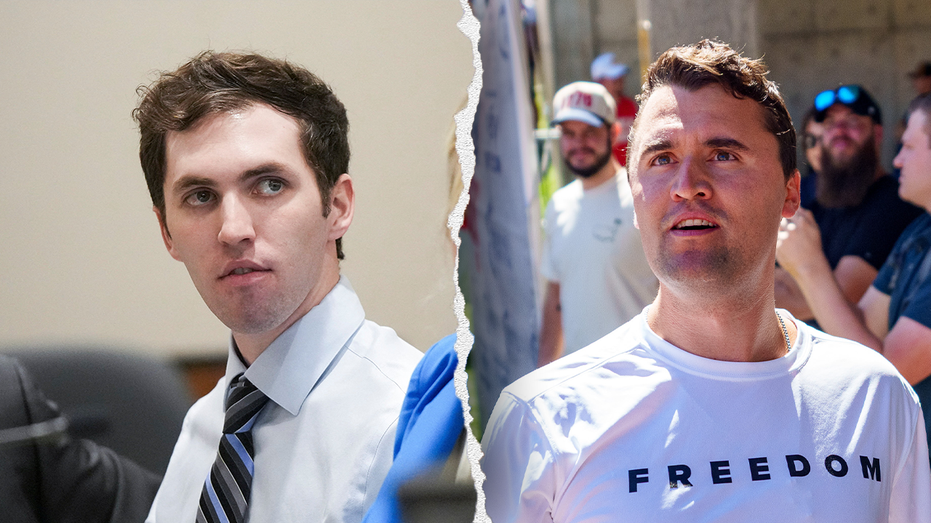

Tyler Robinson is accused of assassinating Charlie Kirk at Utah Valley University in September 2025. The judge overseeing the Utah case is expected to rule Monday, November 9, 2026, on when the trial should begin. Prosecutors have proposed January 31, 2028, while Robinson’s defense has suggested late 2029 as a soft target. The court is also considering existing trials, discovery demands and potential scheduling problems for jurors and witnesses.
The ruling is expected after prosecutors and defense attorneys presented sharply different views of how quickly the case can proceed. Prosecutors have said they could be ready as early as October 2027, while the defense argues that the volume of evidence requires substantially more preparation. A hearing is scheduled to begin at 3 p.m. Eastern Time.
| 1) | Judge prepares to decide between competing trial schedules |
| 2) | Prosecutors seek an earlier date than the defense |
| 3) | Discovery and scheduling conflicts drive the dispute |
| 4) | Political pressure and courtroom camera issues |
| 5) | Kirk’s family seeks progress toward trial |
Judge prepares to decide between competing trial schedules
Judge Tony Graf Jr. is overseeing the case against 22-year-old Tyler Robinson, who is accused of shooting 31-year-old Charlie Kirk at Utah Valley University in Orem, Utah, on September 10, 2025. The court is expected to announce its decision Monday after earlier proceedings ended without a trial date. The central issue is how to set a schedule that allows both sides to prepare while avoiding conflicts with other trials.
Prosecutors seek an earlier date than the defense
Utah County prosecutors have asked for January 31, 2028, as their preferred start date. They have also told the court they could be ready in October 2027. Robinson’s defense team has proposed late 2029 as a soft target, placing the sides years apart on when the trial should begin.
The case concerns the alleged killing of Charlie Kirk, the founder of Turning Point USA, during a campus event. Prosecutors allege that Tyler Robinson fired at Kirk with a .30-06 hunting rifle from a rooftop across a campus courtyard.
Discovery and scheduling conflicts drive the dispute
The defense has argued that the prosecution’s proposed timeline is not practical because attorneys must review a large volume of discovery before making other legal and trial decisions. At an October hearing, defense attorney Staci Visser said discovery review was foundational and affected every other part of the defense.
“The reality is rushing to trial does not lead to closure. It does not lead to finality. It leads to mistakes,” attorney Richard Novak said at an October 23 hearing.
The court is also examining conflicts with previously scheduled proceedings. One prosecution-related conflict involves a federal racketeering case in which Richard Novak has a January 10, 2028, trial scheduled. Both sides agreed that an earlier trial interrupted by a holiday break could create difficulties for jurors and witnesses.
Political pressure and courtroom camera issues
The pace of the case has drawn public criticism from President Donald Trump, who wrote on Truth Social that the judge was doing a “terrible job” moving the proceedings forward. Trump argued that the case should be tried within a month rather than take three years.
Robinson’s attorneys cited the president’s comments while seeking to remove news cameras from the courtroom. Judge Tony Graf Jr. denied that request, as he had done with similar requests previously. The judge’s handling of pending motions and the timing of a trial date remain central issues in the proceedings.
Kirk’s family seeks progress toward trial
The family of Charlie Kirk has pressed the court to set a date. Jeffrey Neiman, an attorney for Kirk’s widow, Erika Kirk, told the court that prolonged delay no longer represented justice for the family.
“Your honor, if you set [a trial date], it will happen. Set it, please,” Jeffrey Neiman said.
Tyler Robinson did not enter a plea until October 2026, nearly a year after he was charged. The judge’s ruling will determine whether the case moves toward one of the proposed timelines or requires additional proceedings before a date can be fixed.
| Number | Key Point |
|---|---|
| 1 | The judge is expected to rule on a trial date on November 9, 2026. |
| 2 | Prosecutors prefer January 31, 2028, but say they could be ready in October 2027. |
| 3 | The defense has proposed late 2029 because of discovery and preparation demands. |
| 4 | The case involves the alleged 2025 shooting death of Charlie Kirk at Utah Valley University. |
Summary
The court’s decision will establish the next major scheduling point in the prosecution of Tyler Robinson. The large gap between the proposed dates reflects disagreements over evidence review, attorney availability and the practical demands of a lengthy criminal case. A set trial date would provide a clearer path forward for the prosecution, defense, the Kirk family and potential jurors.
Frequently Asked Questions
Who is Tyler Robinson?
Tyler Robinson is the 22-year-old man accused of assassinating Charlie Kirk at Utah Valley University in September 2025.
When could the trial begin?
Prosecutors prefer January 31, 2028, and have said they could be ready in October 2027. The defense has proposed late 2029.
Why is the schedule disputed?
The defense cites the amount of discovery requiring review, while the court is also considering attorney conflicts, holiday interruptions and the availability of jurors and witnesses.
