


Chronic pain is a severe and often debilitating condition that affects approximately one in four American adults, according to recent studies. One such individual, Dr. Troy Hudnall, a veterinarian from Missouri, has faced a relentless battle with this condition since suffering a serious injury in 2022. His experience highlights not only the personal struggles faced by those with chronic pain but also the broader implications of this medical issue on healthcare systems and treatment methodologies across the globe. The story unfolds through Hudnall’s quest to alleviate his suffering and the innovative approaches being explored by medical professionals.
| Article Subheadings |
|---|
| 1) The Onset of Chronic Pain: Hudnall’s Journey |
| 2) The Scope of Chronic Pain in America |
| 3) Understanding Chronic Pain Mechanisms |
| 4) Innovative Treatments: Advancements in Pain Management |
| 5) The Role of Psychological Approaches in Pain Relief |
The Onset of Chronic Pain: Hudnall’s Journey
In 2022, Dr. Troy Hudnall, an active veterinarian, encountered a life-altering moment during the delivery of a calf. While attending to his professional duties, he experienced an intense and sudden pain in his neck, accompanied by what he described as a snapping sound. This incident marked the beginning of a struggle with chronic pain stemming from herniated discs and a pinched nerve, resulting in significant discomfort and functional loss in his right hand.
Initially, Hudnall found himself unable to complete tasks that required dexterity, such as using a computer mouse or handling surgical instruments. The severity of his condition led him to undergo multiple surgeries aimed at relieving the nerves, yet relief seemed elusive. As sensation gradually returned, Hudnall was plagued by a new torment—pain so intense that he contemplated self-amputation. He likened his experience to an unending electric shock, a sensation he described as both frequent and debilitating. His pain persisted for three years, compelling him to abandon his career as a veterinarian.
The Scope of Chronic Pain in America
Chronic pain, which is defined as lasting more than three months, is a public health crisis that impacts around 25% of adults in the United States. This condition often leads to profound personal suffering, reduced quality of life, and economic burdens on healthcare systems. Many individuals remain in pain for over a year, demonstrating the long-term nature of the affliction. Research highlights that chronic pain is not merely a symptom of an injury, but rather a complex condition that can arise from various physical and psychological factors.
Dr. Lara Crock, a pain specialist, explains that living with chronic pain is akin to enduring a constant barrage of discomfort. Patients grapple with overwhelming signals sent to the brain, which can exhaust both mental and physical resources. The concurrent issues of mental health, such as anxiety and depression, can exacerbate the experience of pain. This adds a layer of complexity when addressing treatment options, as they need to account for both the physical and emotional components of the condition.
Understanding Chronic Pain Mechanisms
The physiological mechanisms underlying chronic pain remain an area of ongoing research. As described by Dr. Crock, the initial injury may heal; however, the pain signals persist due to changes in how the nervous system and brain respond to pain stimuli. When a person sustains an injury, signals travel from the affected area through nerves to the spinal cord and then to the brain. In most cases, these signals cease once the injury heals.
However, in chronic pain patients, the injured area may be physically normal, yet the brain continues to receive pain signals, causing persistent discomfort. This phenomenon suggests alterations in how pain perception is processed within the nervous system. It underscores the need for comprehensive treatment strategies that encompass a variety of medical interventions and patient-tailored care approaches to manage not only the pain but also its underlying causes.
Innovative Treatments: Advancements in Pain Management
At the forefront of combating chronic pain is a growing body of research into innovative treatments. Institutions like the Washington University School of Medicine Pain Center are pioneering new approaches, including devices that stimulate the vagus nerve, which may alleviate pain associated with conditions such as rheumatoid arthritis or migraines. Other studies are focusing on developing non-opioid medications designed to block sodium channels in nerve cells, thereby preventing pain signals from reaching the brain.
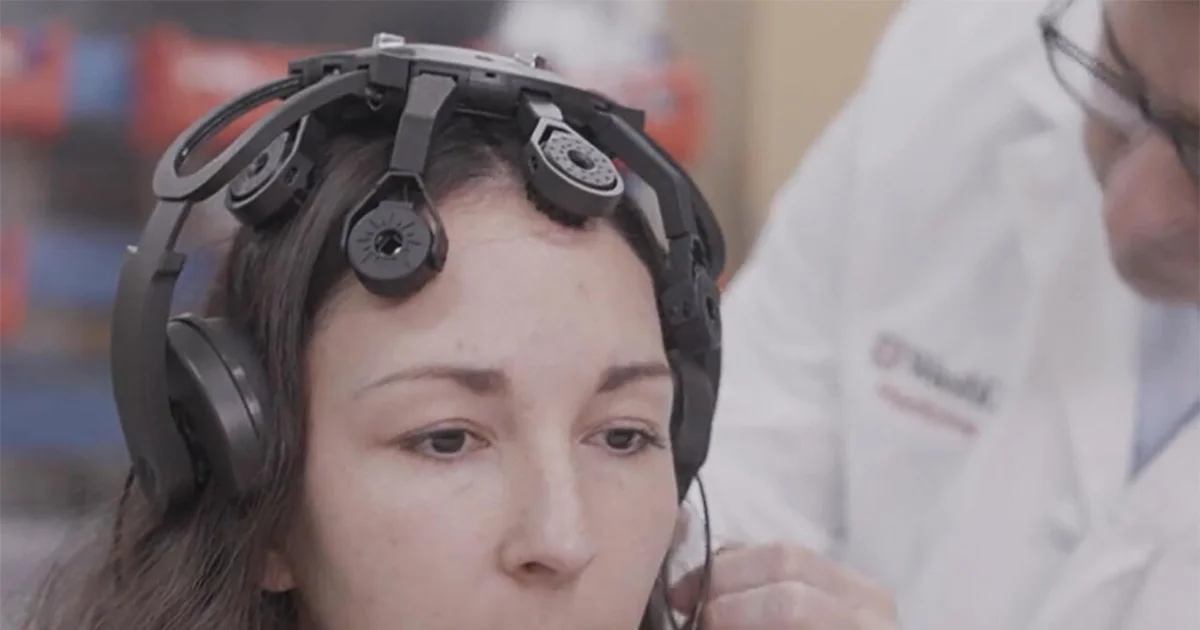
One particularly promising approach involves the use of biofeedback technology. Researchers, including Dr. Eric Leuthardt and Dr. Simon Haroutounian, have created a headset designed to help patients retrain their brains to enhance certain brain waves associated with pain relief. Preliminary results from trials with small participant groups indicate potential improvements in patients who had been unresponsive to conventional treatments, such as surgery or medication. These advancements highlight a shift towards more holistic and patient-centric methods of pain management.
The Role of Psychological Approaches in Pain Relief
Psychological strategies, including hypnosis and cognitive-behavioral therapy, are gaining recognition as effective components of comprehensive pain management protocols. In Hudnall’s case, sessions with pain psychologist Sarah Buday focused on teaching self-hypnosis techniques aimed at fostering relaxation and altering the perception of pain. Dr. Buday clarifies that clinical hypnosis is not meant to control patients but rather to empower them to manage their pain through self-awareness and skill development.
As Hudnall embarks on this therapeutic journey, initial outcomes appear promising. He recently underwent surgery with the aid of self-hypnosis, underscoring the potential of psychological methods in enhancing pain tolerance and improving overall emotional well-being. The integration of mind and body approaches into pain treatment signifies an evolving understanding of how to best support individuals suffering from chronic pain conditions.
| No. | Key Points |
|---|---|
| 1 | Chronic pain affects about one in four American adults, often severely impacting quality of life. |
| 2 | Dr. Troy Hudnall’s chronic pain journey began following a serious injury while working as a veterinarian. |
| 3 | Management of chronic pain requires a multi-faceted approach due to its complex nature. |
| 4 | Innovative treatments include vagus nerve stimulation and non-opioid drugs targeting nerve pain pathways. |
| 5 | Psychological therapies like self-hypnosis are emerging as vital components of effective chronic pain management. |
Summary
The ongoing battle against chronic pain highlights the urgent need for comprehensive research and innovative treatment approaches. Individuals like Dr. Troy Hudnall not only face personal hardships but also symbolize the larger conversation around the complexities of pain management. Through a combination of medical advancements and psychological strategies, there is hope for improving the lives of those suffering from chronic pain, fostering a more holistic understanding of pain itself.
Frequently Asked Questions
Question: What are some common causes of chronic pain?
Chronic pain can result from various factors, including injuries, surgeries, inflammation, or underlying health conditions such as arthritis or fibromyalgia. Sometimes, pain persists long after the original injury has healed due to changes in how the nervous system processes pain signals.
Question: How is chronic pain typically treated?
Treatment for chronic pain may include medications, physical therapy, lifestyle changes, and psychological therapies. In more recent years, approaches such as nerve stimulation and biofeedback have emerged as viable treatments to enhance traditional pain relief options.
Question: What role does mental health play in chronic pain?
Mental health can significantly impact how individuals experience and cope with chronic pain. Conditions like anxiety and depression can amplify the perception of pain, making psychological therapies an essential component of comprehensive pain management.
