

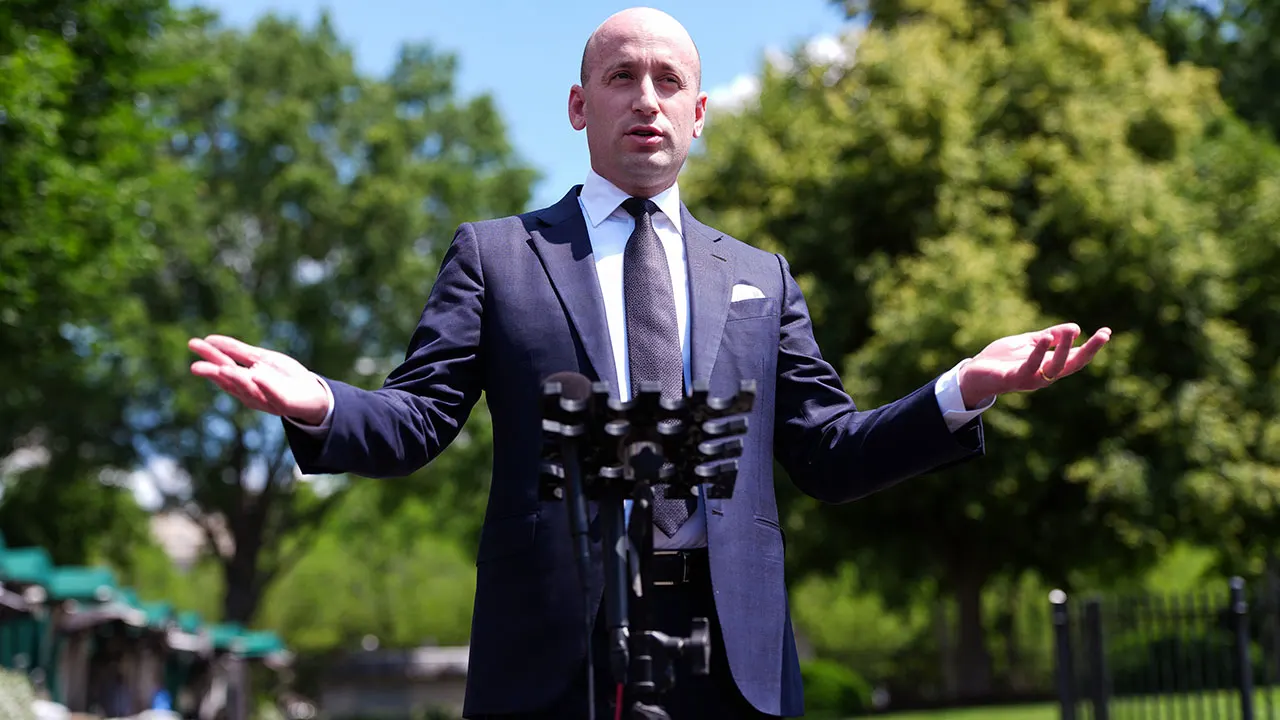

In a high-profile appointment, former advisor Stephen Miller has been named as the new Chief of Staff for Donald Trump. This unexpected decision has triggered immediate backlash from various political factions, with critics lining up to voice their disapproval of Miller’s past policies and controversial reputation. With the 2026 midterm elections looming, analysts predict a tumultuous political landscape as Miller’s hardline stance on immigration and other policies come under scrutiny.
| Article Subheadings |
|---|
| 1) Appointment of Stephen Miller |
| 2) Critics Respond to Miller’s Appointment |
| 3) Overview of Miller’s Controversial Policies |
| 4) The Broader Political Implications |
| 5) Future of Trump Administration with Miller |
Appointment of Stephen Miller
The announcement of Stephen Miller as the new Chief of Staff came shortly after Donald Trump‘s decision to replace the former chief, Susie Wiles, who has been battling health issues. Miller, known for his hardline immigration policies and as a fervent loyalist to Trump, is believed to be a strategic choice aimed at consolidating power within the administration as the election cycle heats up. This appointment marks a significant moment in Trump’s administration as it positions Miller, a figure of divisive policy, in one of the most powerful roles in the White House.
Immediate public reactions have been a mix of shock and anticipation, with many experts believing that this decision foreshadows a shift towards a more aggressive political agenda in the lead-up to the 2026 midterms. Analysts speculate that Miller’s past experiences and unwavering support for Trump may appeal to the base but also polarize the broader electorate. With the potential for heightened scrutiny on the administration’s policies, the appointment has opened a floodgate of discussion and commentary across media platforms.
Critics Respond to Miller’s Appointment
As soon as the announcement was made, critics from both sides of the political spectrum began voicing their concerns over Miller’s history and past statements. Democratic lawmakers, including Rep. Robert Garcia, voiced strong opposition, calling Miller the “architect of the unconstitutional ICE raids” that have wrought havoc in many communities. Garcia stated that Miller “should lawyer up,” emphasizing the legal challenges that could potentially arise from his policies.
Moreover, comments from prominent figures in the Democratic Party, such as incoming Speaker Hakeem Jeffries, labeled Miller as “a dangerous xenophobe.” The swift response from Democrats reflects a larger strategy to attack the Trump administration’s policies related to immigration and civil rights, aiming to mobilize voters ahead of the midterms.
On social media platforms, the reaction was immediate and severe, with critics sharing historical examples of Miller’s controversial policies. Most notable were sentiments regarding his stance on immigration, which many advocates for human rights view as cruel and excessively punitive. This backlash signifies the polarizing nature of Miller’s previous work in the Trump White House and hints at the potential for intense political confrontations in the near future.
Overview of Miller’s Controversial Policies
Stephen Miller has had a long career entwined with some of the most controversial policies of the Trump administration. He is known for orchestrating the separation of migrant families at the southern border, enacting the 2017 Muslim travel ban, and pushing for drastic cuts to refugee admissions. These policies have faced significant legal challenges and staunch opposition from various advocacy groups, leading many to label Miller as one of the administration’s most polarizing figures.
Additionally, Miller has been linked to a range of other contentious actions, including intensified immigration enforcement tactics that have drawn widespread criticism for their inhumanity. According to reports, he orchestrated policies that allowed for the military to engage in high-stakes confrontations with immigrants, pushing for strict measures that many argue violate both humanitarian principles and international law.
While Miller fervently defends these policies as necessary for national security and public safety, such rhetoric has not placated detractors. Advocates worry that his new role as Chief of Staff could signal a return to these aggressive policies, further entrenching Trump’s hardline stance on immigration as a central theme in the upcoming election cycle.
The Broader Political Implications
The political landscape of the United States stands poised for significant shifts as Miller steps into his new role. Political analysts suggest that his appointment could exacerbate existing partisan divides, potentially galvanizing a more energized Democratic opposition. Various political commentators note that Miller’s history indicates a willingness to use incendiary rhetoric and polarizing tactics, likely resulting in fierce debates and rallies over immigration and civil rights issues.
Moreover, with numerous investigations and litigation implications surrounding the Trump administration and its policies, many foresee a turbulent period for Miller. The multifaceted scrutiny could easily translate into political capital for Democrats, who are keen to exploit any perceived missteps or legal failures associated with Miller’s past or present activities.
As Trump’s administration attempts to maintain a cohesive narrative and strategy, Miller’s aggressive approach might also alienate moderate voters who are weary of the polarizing political climate. The coming months will likely reveal whether Miller’s influence can help solidify the Trump base or whether it will sow further division among the electorate.
Future of Trump Administration with Miller
With Stephen Miller at the helm as Chief of Staff, Trump’s administration is preparing for what could be a contentious and combative two years leading up to the election. Miller’s track record of hardline policies and outspoken support for Trump’s agenda suggests that the White House may engage in more aggressive tactics in both governance and media relations.
As the administration prepares to confront impending investigations and challenges, there is a prevailing belief that Miller will advocate for an unabashedly combative approach, viewing opponents not merely as political adversaries, but as existential threats. This mentality could foster an environment of heightened tensions, as opponents mobilize to counteract Miller’s strategies using every available platform, from social media to traditional forms of protest.
Ultimately, the decision to appoint Miller reflects Trump’s desire not just to maintain loyalty but also to signal a willingness to adopt a more aggressive stance against critics. As Trump’s most trusted advisor, Miller’s strategies moving forward will likely shape not only the direction of the remaining years of his administration but also the broader political discourse surrounding the 2026 midterm elections.
| No. | Key Points |
|---|---|
| 1 | Stephen Miller appointed as Trump’s new Chief of Staff amid political controversies. |
| 2 | Immediate backlash from critics highlighting his controversial past policies. |
| 3 | Miller’s policies include family separations, travel bans, and aggressive immigration enforcement. |
| 4 | Implications of Miller’s appointment on the political landscape and the upcoming midterm elections. |
| 5 | Miller’s aggressive approach could intensify partisan divisions leading to a combative political environment. |
Summary
The appointment of Stephen Miller as Chief of Staff for Donald Trump signifies a pivot towards a more combative and potentially divisive strategy within the Trump administration. Miller’s controversial history and aggressive policy positions are likely to evoke intense scrutiny and mobilize opposition efforts ahead of the critical 2026 midterms. As the administration braces for the challenges of governance and public dissent, Miller’s approach could either solidify Trump’s base or contribute to a broader political backlash.
Frequently Asked Questions
Question: Who is Stephen Miller?
Stephen Miller is a political advisor known for his hardline stance on immigration and has served as a key aide to Donald Trump.
Question: What are some controversial policies associated with Miller?
Miller is known for advocating policies such as family separations at the border, the Muslim travel ban, and aggressive immigration enforcement tactics.
Question: How might Miller’s appointment affect the upcoming midterm elections?
Miller’s appointment could energize both Trump’s base and the opposition, potentially exacerbating partisan divisions and influencing voter mobilization efforts.
