


In recent developments regarding U.S.-Iran relations, Secretary of State Marco Rubio addressed the current status of diplomatic negotiations, indicating a lack of imminent breakthroughs. As discussions continue, President Donald Trump prepares to meet with Qatar’s Prime Minister to further talks aimed at resolving ongoing conflicts between the two nations. This comes amid assertions from Trump that military escalation is unnecessary, while simultaneously reinforcing military measures through a new naval task force aimed at securing Iranian borders.
| Article Subheadings |
|---|
| 1) Current Status of U.S.-Iran Diplomatic Relations |
| 2) Trump’s Upcoming Meeting with Qatari Mediator |
| 3) Trump’s Stance on Military Escalation |
| 4) Implementation of New Naval Blockade Task Force |
| 5) Implications for Future U.S.-Iran Relations |
Current Status of U.S.-Iran Diplomatic Relations
Secretary of State Marco Rubio spoke to reporters on Sunday, conveying a tempered perspective on the negotiations between the United States and Iran. He emphasized that officials are currently not “at the verge of a breakthrough.” This statement comes as Rubio reassured that the administration remains committed to seeking a diplomatic resolution to the ongoing tensions.
The dialogue has stalled significantly due to what Rubio described as “unacceptable demands” from the Iranian side. The lack of constructive engagement raises concerns amongst U.S. allies, especially as discussions continue to unfold before key international meetings, such as the upcoming G7 summit where global leaders are expected to evaluate the situation closely.
There is an evident push for both sides to reconsider their positions, but as per officials, the Iranian conditions remain far from acceptable to the U.S. Understanding this impasse highlights the complexity of international negotiations, laden with the historical perspectives of the decades-long conflict.
Trump’s Upcoming Meeting with Qatari Mediator
In a significant diplomatic effort, President Donald Trump is scheduled to meet with Qatari Prime Minister Sheikh Mohammed bin Abdulrahman Al Thani at the White House. This meeting is strategically timed, coming amidst ongoing indirect negotiations between the U.S. and Iran, in which Qatar has emerged as a crucial mediator.
Officials have noted that Al Thani aims to persuade Trump to extend diplomatic engagements, which could potentially lead to a resolution of the long-standing conflict. As an influential figure in Gulf politics, Al Thani brings with him insights and relations that could be key to bridging gaps between the two sides.
The expected discussions, taking place in the backdrop of a strained relationship between the U.S. and Iran, reflect an ongoing effort to address critical issues such as military presence and nuclear capabilities. Observers are keenly waiting to see whether Trump will heed the recommendations from the Qatari prime minister as the international community watches these developments unfold.
Trump’s Stance on Military Escalation
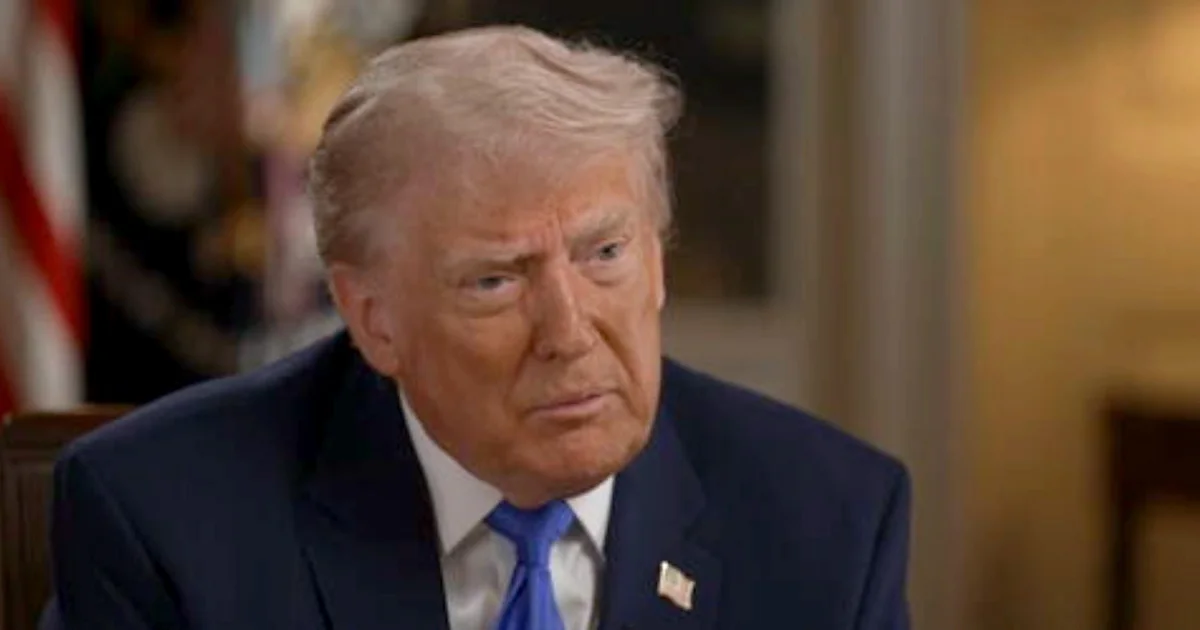
In a recent interview, President Trump articulated his view on escalating military actions against Iran, stating there is “no reason” for such a move. He emphasized that he is “not looking” to intensify any conflict, a statement that has drawn attention given the current geopolitical climate.
During the interview, which aired on a widely watched news program, Trump reiterated his rationale for initiating military actions earlier in the year. Quoting concerns surrounding Iran’s nuclear program, he defended his previous decisions by claiming they were in the best interest of the nation, even amid criticisms related to the negative impacts of ongoing operations.
With these remarks, Trump reinforces a complex narrative: while he acknowledges the downturn in relations, he simultaneously seeks to maintain a posture that deters further Iranian aggression without resorting to heightened military involvement. This careful balancing act aims to appease both hawkish and diplomatic factions within U.S. politics and continues to raise questions about future foreign policy direction.
Implementation of New Naval Blockade Task Force
As part of its strategic military response, the U.S. has initiated a new task force aimed at enforcing an extended naval blockade on Iranian waters. Dubbed “Task Force Iron Gate,” the initiative was announced by U.S. Central Command and is purportedly “in full force and effect,” as declared by Trump.
The primary objective of this task force is to enhance the existing naval blockade efforts by monitoring overland trade routes in addition to maritime ones. This expansion aims to interdict illegal military supplies and revenue streams that could bolster Iranian capabilities. The announcement signifies a commitment to applying pressure on Iran amidst ongoing tensions, yet details regarding the execution and scope remain unclear.
Furthermore, analysts note that such measures could elevate the stakes in U.S.-Iran encounters and raise the possibility of military conflicts. While the U.S. remains steadfast in its goal of deterring threats, the broader implications for regional stability and international relationships are yet to be fully assessed.
Implications for Future U.S.-Iran Relations
Evaluating the developments surrounding U.S.-Iran relations reveals an intricate balance of confrontation and diplomacy. The current dynamics underscored by recent statements from Trump and Rubio suggest a stage characterized by cautious engagement, albeit with significant barriers to success in ongoing negotiations.
As Western allies look towards the G7 meeting, concerns surrounding Iranian capabilities and intentions will likely dominate discussions. The complexities of these relationships may either push nations closer together or further exacerbate existing conflicts, depending on how each side interprets the other’s actions and intentions.
The evolving interplay, therefore, emphasizes the importance of clear communication and strategic flexibility as both nations navigate their respective interests. The potential for peaceful resolution exists but requires both sides to temper their demands and take actionable steps toward conciliatory outcomes.
| No. | Key Points |
|---|---|
| 1 | Secretary of State Marco Rubio states the U.S. is not on the verge of a breakthrough in Iran talks. |
| 2 | Trump is scheduled to meet with Qatari Prime Minister to discuss diplomatic channels. |
| 3 | Trump stresses there is no intent to escalate military actions against Iran. |
| 4 | The new U.S. military task force intends to enforce an extended naval blockade on Iran. |
| 5 | The current developments reflect a complex atmosphere of confrontation and cautious diplomacy. |
Summary
The ongoing geopolitical strife between the U.S. and Iran showcases the challenges of diplomacy amidst military posturing. With leaders actively engaging in discussions and strategy formulation, the outcome of these engagements remains pivotal for the future of regional stability. The commitment to a diplomatic resolution, alongside military readiness, underscores a nuanced approach as global powers closely monitor the evolving situation.
Frequently Asked Questions
Question: What is the focus of the U.S.-Iran talks?
The talks primarily focus on negotiating terms that would address security threats, particularly Iran’s nuclear program and military capabilities.
Question: What role does Qatar play in the U.S.-Iran negotiations?
Qatar serves as a mediator facilitating indirect talks between the U.S. and Iran, leveraging its diplomatic relations to navigate the complexities of these discussions.
Question: What is “Task Force Iron Gate”?
Task Force Iron Gate is a new U.S. military initiative designed to enforce a naval blockade on Iran, focusing on preventing illegal military supplies and trade routes associated with Iranian activities.
