


Anti-Israel protesters targeted six Jewish-owned restaurants in Philadelphia on the eve of the 88th anniversary of Kristallnacht, but the demonstrations appeared to attract more customers. Hundreds of people filled the restaurants, with lines reportedly extending around city blocks. The newsletter also highlighted criticism from baseball legend Reggie Jackson, political tensions among Michigan’s Jewish community, and a Holocaust memorial in Dubai.
The coverage further examined how Jewish students and community leaders are responding to rising antisemitism through education, political engagement, and community organizing. The developments span protests, electoral politics, historical remembrance, and efforts to strengthen Jewish identity.
| Article Subheadings | |
|---|---|
| 1) | Philadelphia restaurants become a focus of counterprotests |
| 2) | Reggie Jackson compares antisemitism with Jim Crow racism |
| 3) | Michigan Jewish leaders face political divisions |
| 4) | Dubai memorial seeks to bridge Jewish and Arab communities |
| 5) | Students are urged to take an active role against hate |
Philadelphia restaurants become a focus of counterprotests
Anti-Israel protesters organized demonstrations aimed at discouraging diners from visiting six Jewish-owned restaurants in Philadelphia. The activity took place on the eve of the 88th anniversary of Kristallnacht, the Nazi pogrom against Jews in Germany and Austria. Rather than emptying the restaurants, the protests were followed by large crowds, with lines extending around blocks and at least one restaurant reportedly concerned that it could run out of food. Philadelphia leaders condemned protests targeting Jewish businesses as antisemitic.
Reggie Jackson compares antisemitism with Jim Crow racism
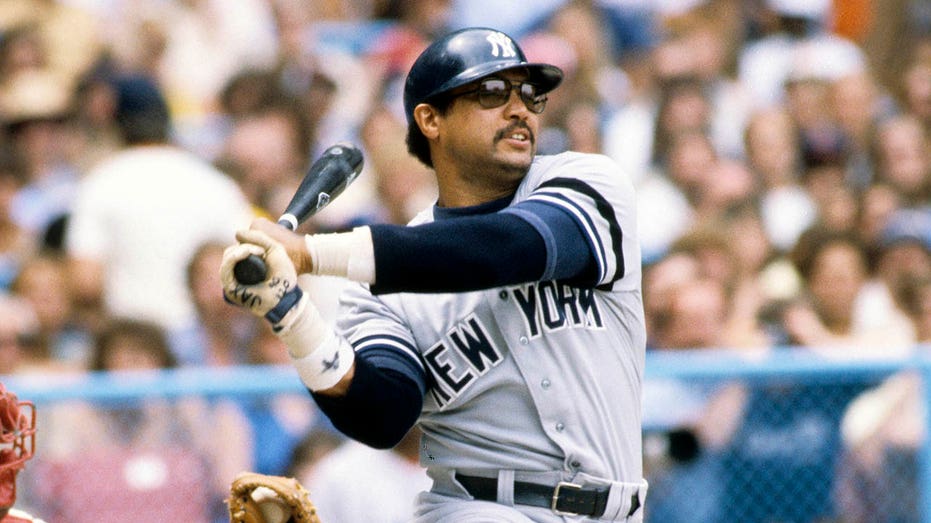
Reggie Jackson, a Baseball Hall of Fame member from Pennsylvania, spoke out against what he described as a surge in antisemitism in Philadelphia. He compared the hostility directed at Jewish people with the racism he experienced in the segregated American South during the 1960s, including exclusion from restaurants and threats of violence. Jackson criticized what he called political silence and urged immediate public action.
“We have to speak up!”
Jackson also recalled racist signs, segregated facilities, and the atmosphere of intimidation he encountered during his minor league career. He said such hatred should not be accepted when directed at any group.
Michigan Jewish leaders face political divisions
Michigan’s Jewish community is described as divided following the historic Senate victory of progressive politician Abdul El-Sayed. The chief executive of Detroit’s Jewish Federation is seeking cooperation across political lines, while Democratic strategists have expressed concern about El-Sayed’s strong criticism of Israel. Some of those strategists are urging Jewish voters to reconsider their relationship with the Democratic Party, which they accuse of tolerating antisemitism. The debate reflects tensions between coalition-building and concerns over rhetoric related to Israel.
Dubai memorial seeks to bridge Jewish and Arab communities
In Dubai, Emirati collector Ahmed Obaid Al Mansoori opened what was described as the Arab world’s first permanent Holocaust memorial. The gallery commemorates the six million Jews murdered during the Holocaust and recognizes Muslims who rescued Jews or resisted Nazi persecution. The project was presented as part of broader efforts to promote understanding among Arabs, Jews, and Christians, with the Abraham Accords cited as an inspiration for cooperation.
Students are urged to take an active role against hate
Tessa Veksler, a former University of California, Santa Barbara student body president and Jewish Student Union spokesperson, called on young Jews to act independently of political leaders and university administrations. Drawing on her own campus experiences, she encouraged students to build supportive communities grounded in Jewish identity and joy. Educational initiatives involving Jewish Student Union leaders, educators, and student activists are also providing high school students with tools to confront antisemitism and defend their identity on campus.
| Number | Key Point |
|---|---|
| 1 | Crowds supported six Jewish-owned Philadelphia restaurants after targeted protests. |
| 2 | Reggie Jackson linked present-day antisemitism to his experiences with Jim Crow racism. |
| 3 | Michigan’s Jewish community is debating how to respond to Abdul El-Sayed’s Senate victory. |
| 4 | A Dubai memorial honors Holocaust victims and Muslim rescuers. |
| 5 | Student groups are promoting education, identity, and community action against antisemitism. |
Summary
The reported events show how antisemitism is being contested across public life, from Philadelphia restaurants and political campaigns to educational institutions and Holocaust remembrance. Community members are responding through visible support for Jewish businesses, public criticism, cross-community initiatives, and student-led organizing. The developments also underscore continuing disagreements over how political parties and public institutions should address anti-Jewish prejudice and disputes involving Israel.
Frequently Asked Questions
What happened at the Philadelphia restaurants?
Anti-Israel protesters targeted six Jewish-owned restaurants before the anniversary of Kristallnacht, but hundreds of customers reportedly filled the businesses instead.
What did Reggie Jackson say about antisemitism?
Jackson compared antisemitism with the racism he experienced in the segregated South during the 1960s and called for people to speak out.
What is the significance of the Dubai memorial?
The permanent memorial honors the six million Jews murdered in the Holocaust and highlights Muslim rescuers who opposed Nazi persecution.
