

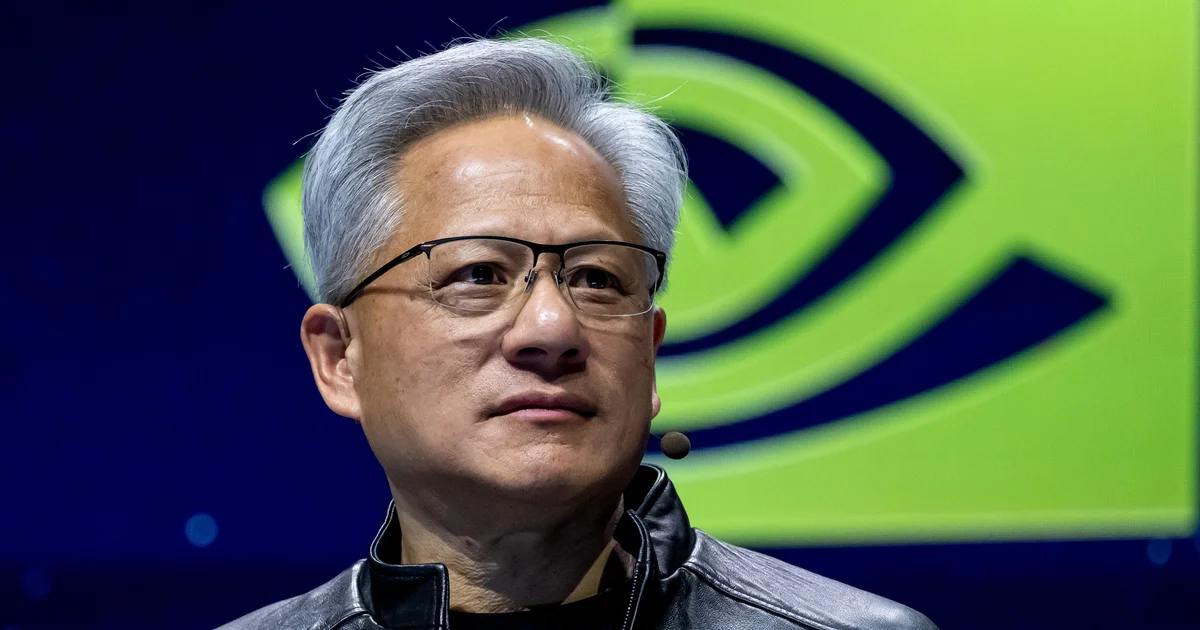

In a shocking turn of events, Nvidia CEO Jensen Huang has come under scrutiny due to alleged connections with an individual suspected of being a Chinese spy, a revelation that sent the tech giant’s market valuation plummeting by $450 billion in just two days. The investigation, which is currently unfolding, was initially hinted at in a report published by the little-known short-selling firm Culper Research. This report, authored by Christian Lamarco, raised serious questions about Nvidia’s operations in China and invoked fears of national security breaches, prompting both investor anxiety and government scrutiny.
| Article Subheadings |
|---|
| 1) Nvidia’s Valuation Plummets Amid Allegations |
| 2) The Culper Research Report: Key Findings |
| 3) Megaspeed International: The Company in the Spotlight |
| 4) Responses and Reactions to the Allegations |
| 5) Implications for Nvidia and the Tech Industry |
Nvidia’s Valuation Plummets Amid Allegations
Recent developments have left Nvidia in a precarious position, with the company’s market capitalization witnessing a staggering decline of $450 billion in mere days. The triggering factor for this dramatic financial downturn has been the reported connections between CEO Jensen Huang and Alice Huang, a former television reporter and executive at a tech firm, alleged to have ties with Chinese intelligence. Investors have responded with alarm, leading to a sell-off that shed a quarter of Nvidia’s stock value.
The abrupt loss in valuation reflects broader concerns regarding national security and foreign relations in the tech industry. Nvidia, being a leading manufacturer of semiconductor chips crucial for AI technology, has quickly become a focal point for scrutiny as the United States grapples with the implications of foreign investments and espionage threats from China.
The timing of this crisis could not be more critical. As the U.S. continues to impose restrictions on technology sales to China to safeguard national interests, accusations of infiltration from within the industry paint a worrying picture for stakeholders, including employees, customers, and investors alike.
The Culper Research Report: Key Findings
The investigation gained traction following the release of a comprehensive report by the short-selling firm Culper Research, spearheaded by analyst Christian Lamarco. The 40-page document not only detailed Jensen Huang’s alleged links with Alice Huang but also outlined a broader theory regarding Nvidia’s operations in China. The report indicated that despite claims of a decrease in sales to China, Culper asserts that a significant portion of Nvidia’s revenues still originates from illicit diversion of chips through intermediaries.
Lamarco cited interviews with employees of Chinese companies and evidence gathered from various corporate filings, with the goal of substantiating claims that Nvidia’s high-powered chips were being misdirected to China, despite existing trade restrictions. This controversy has raised alarms within the tech community regarding the ethics of international trade and potential leaks of sensitive technology.
Culper’s investigations further pushed the narrative that companies in China might be circumventing U.S. trade restrictions by utilizing Southeast Asian intermediaries, such as the Singapore-based firm Megaspeed International. This method, if true, exposes a troubling loophole in the U.S. regulatory framework that could have far-reaching consequences.
Megaspeed International: The Company in the Spotlight
Central to the allegations against Jensen Huang is Megaspeed International, a company that has seen remarkably swift growth. Culper’s report claims that within a year, Megaspeed, which had relatively few assets at the close of 2023, invested $2.9 billion into purchasing Nvidia’s advanced AI servers. This rapid growth prompted scrutiny and raised red flags, suggesting possible illicit activity.
Culper pointed to financing connections between Megaspeed and Chinese e-commerce giant Alibaba as further evidence of this scheme. The short-seller claims that Megaspeed and its affiliate, Speedmatrix, collectively accounted for approximately $4.8 billion in Nvidia chip purchases over the span of three years. Such financial maneuvers call into question the legitimacy of these transactions and whether they may be contributing to potential national security risks.
In the investigation, the report indicated that Huang and Alice Huang appeared together at several events, suggesting a personal relationship that may have implications for corporate governance and ethics. These revelations have gained traction in media narratives, adding to the complexity of the ongoing inquiry.
Responses and Reactions to the Allegations
In response to these allegations, Nvidia has not released an official comment but is known to be conducting its internal investigation. Various stakeholders, including policymakers and investors, are awaiting further details on the developments surrounding this scandal. As the media coverage intensifies, the public’s perception of Nvidia may shift drastically based on the outcomes of these inquiries.
Furthermore, the situation has drawn attention from lawmakers who have previously expressed concerns about the sale of advanced chips to China. In a letter to the U.S. Commerce Secretary, lawmakers requested an immediate suspension of active export licenses for Nvidia products, indicating rising apprehension in political circles over the implications of Nvidia’s operations and relationships in Asia.
While the immediate impact is felt within Nvidia’s stock market performance, the revelations disrupt the tech landscape, generating a wave of skepticism regarding business practices and existing regulations surrounding technology exports in the United States.
Implications for Nvidia and the Tech Industry
The unfolding scandal surrounding Nvidia throws into sharp relief the vulnerabilities faced by American tech companies operating on a global scale. As technology has become increasingly intertwined with national security interests, companies must navigate a complex web of regulations designed to protect against espionage and misuse of sensitive information.
For Nvidia, the repercussions may extend beyond financial losses to potentially lasting damage to its reputation and relationships within the industry. Stakeholders are keen to observe how Nvidia addresses these challenges and whether reforms or changes in governance will be implemented in response to the investigation.
The tech industry as a whole may also feel the tremors of this incident. Other companies may find themselves reassessing their own international operations and partnerships, particularly with firms based in China and Southeast Asia, where concerns about espionage continue to mount. This scandal could catalyze broader calls for regulatory reforms and stricter oversight of technology exports to safeguard national interests.
| No. | Key Points |
|---|---|
| 1 | Nvidia’s market valuation decreased by $450 billion amid allegations against CEO Jensen Huang. |
| 2 | Culper Research’s report highlighted potential ties between Jensen Huang and Alice Huang linked to espionage. |
| 3 | Megaspeed International has come under scrutiny for its rapid growth and potential connections to Chinese interests. |
| 4 | U.S. lawmakers have called for a suspension of export licenses related to Nvidia AI products to China. |
| 5 | The scandal could lead to increased scrutiny of the tech industry’s business practices and foreign relations. |
Summary
The recent allegations surrounding Nvidia’s CEO Jensen Huang and his potential ties to Chinese espionage have instigated a crisis for the company, underscored by a massive stock valuation drop. The investigation launched by Nvidia, amidst concerns raised by Culper Research, highlights vulnerabilities within American tech companies regarding international operations. The outcome of these inquiries not only bears significance for Nvidia’s immediate future but also has broader implications for the technology sector’s regulatory environment in the United States and its approach to global business practices.
Frequently Asked Questions
Question: What were the key reasons for Nvidia’s stock drop?
Nvidia’s stock dropped significantly due to allegations involving CEO Jensen Huang’s ties to a suspected Chinese spy and concerns over the company’s operations in China, leading to a massive sell-off by investors.
Question: Who is Culper Research and what is their role in this situation?
Culper Research is a short-selling firm that published a report detailing allegations against Jensen Huang, suggesting that he has close ties with Alice Huang, linked to Chinese intelligence, and raised concerns about Nvidia’s business practices.
Question: What is the significance of Megaspeed International in this investigation?
Megaspeed International is central to the allegations because it has allegedly engaged in rapid purchases of Nvidia chips potentially to divert them to China, raising questions about the implications of such transactions for U.S. national security.
