

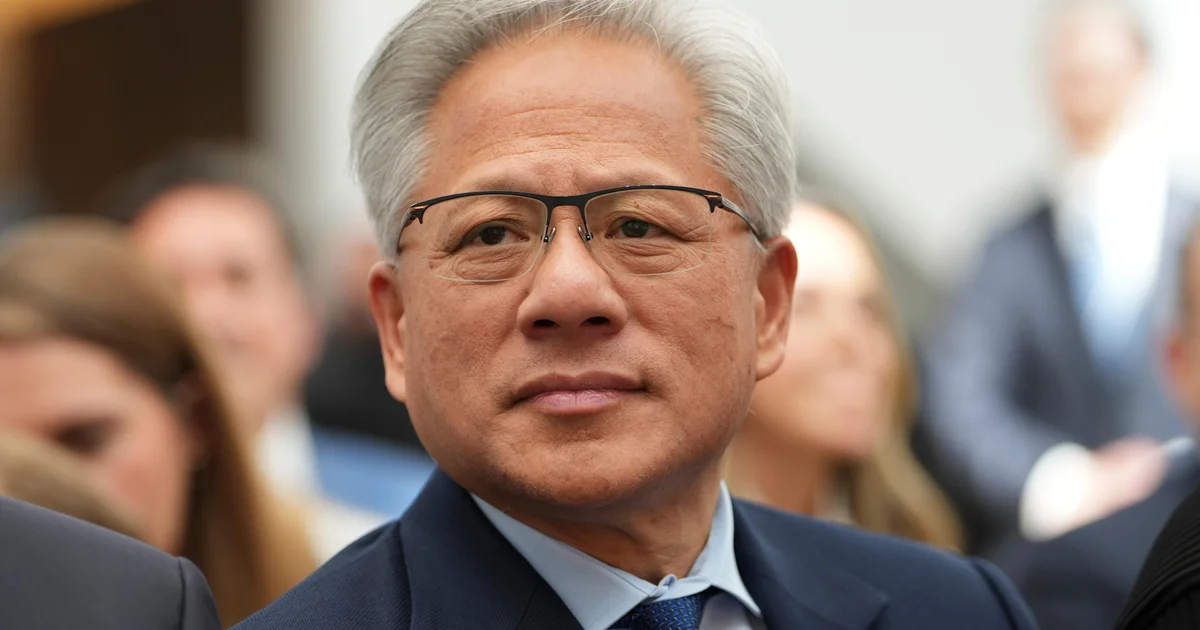

In a significant turn of events, Congressional Republicans are urging former Nvidia CEO Jensen Huang to testify regarding a scandal that has put the tech giant under scrutiny. Huang stepped down amid allegations linking him to potential espionage activities involving a suspected Chinese spy from Singapore-based Megaspeed. Lawmakers are seeking clarity on how these developments may threaten U.S. national security, prompting calls for testimony from both Huang and officials within the Commerce Department.
| Article Subheadings |
|---|
| 1) Background of the Scandal Involving Nvidia |
| 2) Congressional Response and Demands for Testimony |
| 3) Implications for U.S. National Security |
| 4) Political Context and Reactions |
| 5) Future Proceedings and Expected Outcomes |
Background of the Scandal Involving Nvidia
The situation began to unfold when Nvidia, a leading company in the semiconductor industry whose products have become essential in powering artificial intelligence (AI) technology, announced that Jensen Huang had resigned from his position as CEO. His resignation was timed closely with an intimate relationship he reportedly maintained with a former executive of Megaspeed, Alice Huang, who has been accused of being a Chinese intelligence asset. This revelation sparked concerns about potential security breaches involving Nvidia’s technology, specifically its chips that are critical in AI applications.
The relationship between Huang and Megaspeed has raised alarms among U.S. lawmakers, particularly as Megaspeed is currently under investigation for allegedly attempting to smuggle Nvidia chips into China, which are subject to export restrictions. The company’s denials of these allegations only add to the tension surrounding the situation.
Congressional Response and Demands for Testimony
Following the emergence of the scandal, a coalition of Republican lawmakers has asserted the necessity for Huang to appear before Congress. Leaders from the House Select Committee on China, the Foreign Affairs Committee, and the Intelligence Committee formally requested that Huang testify in a closed-door session scheduled for December 1. They have expressed urgency in understanding the implications this situation holds for U.S. national security, with the threat of a subpoena looming if Huang does not comply.
In parallel, the Senate has joined the call for Huang’s appearance, with Senator Tim Scott of South Carolina affirming the need for testimony. Scott emphasized on social media, stating that “the American people deserve answers.” This bipartisan effort underscores the seriousness of the allegations, leading to a contentious atmosphere as government officials seek transparency regarding Nvidia’s dealings.
Implications for U.S. National Security
The allegations surrounding Huang and Megaspeed’s operations have prompted critical questions about the adequacy of existing safeguards against technology espionage and the potential risks posed to national security. As a company at the forefront of AI technology, Nvidia’s products play a substantial role in the defense and economic strength of the United States. The fear is that critical advancements could be compromised if such technology is improperly accessed or exploited.
Moreover, scrutiny has turned toward the federal government’s oversight capabilities in monitoring transactions and ties between American tech companies and foreign entities. Critics have attested that the Commerce Department, spearheaded by Secretary Howard Lutnick, failed to act decisively to prevent Megaspeed from acquiring Nvidia’s chips. This narrative poses significant implications for policy reviews related to national security and technological exports, emphasizing the importance of vigilance in foreign relations.
Political Context and Reactions
With the unfolding matter, the political landscape has become increasingly contentious. Democrats have joined GOP leaders in calling for accountability, with Senate Minority Leader Chuck Schumer demanding explanations from both Huang and the Trump administration. Schumer claimed that despite Huang’s resignation, Congress must pursue clarity on how national security might have been compromised.
The issue has also brought to light the previous relationships Huang maintained with the Trump administration, raising questions about how far potential disregard for intelligence and security protocols may extend. President Trump has publicly supported Huang, downplaying the scandal and maintaining confidence in Huang’s past contributions to the industry.
Future Proceedings and Expected Outcomes
As the narrative advances toward December, expectations build regarding the testimony that Huang might provide, pending his compliance. Should he agree to testify, lawmakers are likely to direct inquiries toward Nvidia’s practices in safeguarding sensitive information, especially in the context of foreign adversaries. Simultaneously, if Huang resists cooperating, the consequences could escalate legally, pushing Congress to utilize its subpoena power to enforce compliance.
Lawmakers are eager to gain insights into Huang’s knowledge of Megaspeed’s operations and any preventative measures Nvidia had in place to ward off espionage attempts. With an impending transition to Democratic leadership in both chambers of Congress, the outcome of these proceedings could significantly shape future legislation regarding technology oversight and national security measures.
| No. | Key Points |
|---|---|
| 1 | Former Nvidia CEO Jensen Huang resigned amid allegations linking him to a suspected Chinese spy. |
| 2 | Congressional Republicans are demanding testimony regarding the implications for U.S. national security. |
| 3 | The Biden administration may face scrutiny regarding prior oversight of tech exports and national security protocols. |
| 4 | The controversy has sparked discussions about the adequacy of current government safeguards against espionage. |
| 5 | Future legislative measures may result from the fallout, impacting technology oversight and export regulations. |
Summary
The unfolding events surrounding former Nvidia CEO Jensen Huang and his departure from the company due to potential ties with espionage present significant implications for U.S. national security and the technology industry. As Congress calls for testimony, the outcome may redefine oversight measures for technology transfers and reshape the relationship between the government and major tech firms.
Frequently Asked Questions
Question: What prompted Jensen Huang’s resignation from Nvidia?
Jensen Huang resigned following revelations of his connection with a suspected Chinese spy linked to Megaspeed, which raised concerns over national security and potential technology espionage.
Question: Why are lawmakers concerned about Nvidia’s products?
Lawmakers are worried that Nvidia’s advanced chips, essential for AI applications, might be diverted to foreign adversaries, compromising U.S. national security interests.
Question: What actions can Congress take if Huang does not comply with the testimony request?
Congress has the power to issue a subpoena, which would compel Huang to testify about his knowledge of Nvidia’s security practices and interactions that could threaten national security.
