

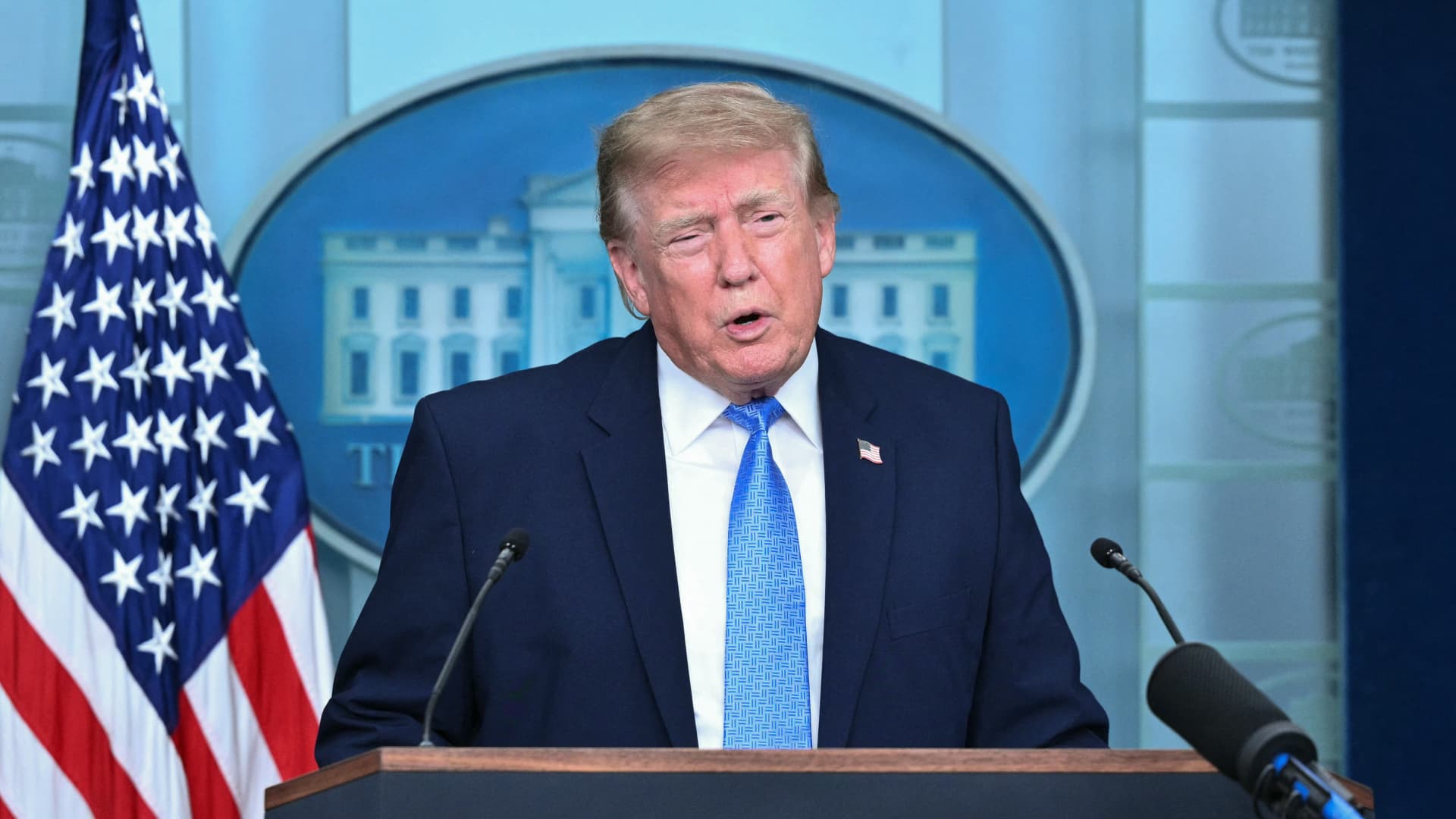

In a recent statement, President Donald Trump addressed allegations involving Jensen Huang, CEO of Nvidia, during a press briefing at the White House. The allegations suggest that Huang was involved in an extramarital affair with Alice Huang, a business executive suspected of being a Chinese spy. Trump indicated that Huang has denied any knowledge of Alice Huang’s alleged espionage activities, while also mentioning an ongoing independent investigation initiated by Nvidia’s board of directors into the matter. The unfolding events are raising questions about the implications for national security, corporate reputation, and potential influence by Chinese intelligence.
| Article Subheadings |
|---|
| 1) The Allegations Against Jensen Huang |
| 2) President Trump’s Comments |
| 3) National Security Concerns |
| 4) Class-Action Lawsuit Filed |
| 5) Implications for Nvidia and the Broader Tech Industry |
The Allegations Against Jensen Huang
The controversy surrounding Jensen Huang ignited when allegations emerged linking his affair with Alice Huang to espionage activities that may threaten American national security. According to sources, Alice Huang was reportedly under scrutiny by U.S. intelligence services for her alleged role in steering advanced Nvidia A.I. chips to China. Reports suggest that U.S. officials had reached the conclusion that Alice Huang was an operative for the Chinese government, potentially funneling sensitive information back to Beijing.
While the exact details regarding when these allegations came to light remain unclear, it has been suggested that previous briefings provided to Trump contained intelligence assessments about potential risks associated with Alice Huang. These claims raise significant concerns about the extent of her influence within the company and her interactions with its CEO. The notion that personal relations may have led to compromised national security has prompted the Nvidia board to launch an independent investigation.
President Trump’s Comments
Speaking to reporters, President Trump conveyed disbelief regarding the allegations, emphasizing that he had spoken directly with Jensen Huang on the matter. During their conversation, Huang categorically denied any prior knowledge that Alice Huang was involved in espionage efforts. Trump expressed confidence in Huang’s integrity, framing him as an honorable individual who has built an impressive American enterprise. Trump’s remarks indicated a level of loyalty toward Huang, suggesting that he viewed the allegations against him as unfounded.
Trump remarked, “I really believe him,” highlighting that he had inquired about Huang’s well-being, amidst the troubling allegations. Additionally, Trump shared his understanding of Huang’s emotional distress, particularly concerning the impact of the allegations on his family life. Despite the gravity of the situation, Trump indicated he would likely refrain from bringing up the issue with Chinese President Xi Jinping at the upcoming Asia-Pacific Economic Cooperation summit.
National Security Concerns
The core of the controversy is steeped in national security implications that transcend corporate dealings. The allegations against Alice Huang draw attention to a broader issue: the infiltration of foreign intelligence into American technology companies, which possess critical information and capabilities. U.S. intelligence officials have reportedly voiced concerns that individuals like Alice Huang could leverage positions within companies like Nvidia to extract sensitive data that could bolster China’s technological advancements.
Reports indicate that Trump was previously briefed on intelligence suggesting Alice Huang’s connections to Chinese intelligence, but chose not to take action at that time, highlighting a conflict between economic interests and national security. Nvidia’s significant role in advancing A.I. technology makes it a key player in the tech sector, which is often regarded as vital for maintaining competitive advantages in global markets. The question remains: how effectively can regulatory bodies safeguard against such risks?
Class-Action Lawsuit Filed
The allegations have also prompted legal ramifications for Jensen Huang and Nvidia. A class-action lawsuit has been filed against them in federal court in San Jose, California, led by the Rosen Law Firm. The lawsuit claims that both Huang and Nvidia made false or misleading statements regarding Huang’s personal conduct and his relationship with Megaspeed International, asserting that such misrepresentations pose a material risk to the company’s reputation and future business prospects.
As the lawsuit unfolds, the fallout from these allegations may have substantial implications for Nvidia’s standing in the financial markets. Investors are reacting to the controversy with caution, as the company’s stock performance could be adversely affected by lingering uncertainty regarding the integrity of its leadership and the repercussions of the investigation. This legal action could lead to significant financial ramifications, further complicating the situation for Nvidia as it strives to maintain its market position amidst increasing scrutiny.
Implications for Nvidia and the Broader Tech Industry
The implications of these events extend beyond the immediate controversy surrounding Jensen Huang. With A.I. and technology companies increasingly subject to scrutiny regarding national security issues, the Nvidia case raises important questions about corporate governance, transparency, and the potential for foreign influence in sensitive sectors. As technology becomes intertwined with national significance, the risk of espionage and corporate sabotage looms larger, prompting calls for tighter regulations and vigilance.
Moreover, as companies like Nvidia accelerate innovations that shape the future of technology, they will likely find themselves grappling with the challenges of balancing market ambitions with ethical considerations and national responsibility. The situation underscores the necessity of transparency in corporate communications, and the ramifications of failing to address potential conflicts involving national security.
| No. | Key Points |
|---|---|
| 1 | President Trump expressed his trust in Jensen Huang, despite the allegations of espionage involving Alice Huang. |
| 2 | The Nvidia board initiated an independent investigation into the allegations about Alice Huang. |
| 3 | A class-action lawsuit has been filed against Nvidia and Huang regarding their handling of the situation. |
| 4 | Concerns about national security and potential foreign influence are central to the unfolding events. |
| 5 | Impacts of the allegations extend into Nvidia’s market performance and the broader tech industry’s governance practices. |
Summary
The allegations against Jensen Huang and the involvement of Alice Huang raise profound national security concerns while also shedding light on the challenges facing the tech industry. As investigations proceed and legal actions materialize, the future of Nvidia will depend on how effectively the leadership addresses these issues. The outcome of this situation may serve as a precedent for how corporations navigate personal and national interests while maintaining their commitment to innovation and integrity.
Frequently Asked Questions
Question: What are the allegations against Jensen Huang?
Jensen Huang, the CEO of Nvidia, is facing allegations connected to an extramarital affair with Alice Huang, who is suspected of being a Chinese spy. The allegations involve potential espionage activities aimed at influencing Nvidia’s advanced technology.
Question: How is President Trump involved in this situation?
President Trump has publicly defended Jensen Huang, expressing his disbelief regarding the allegations and confirming that he has spoken directly with Huang, who denies any knowledge of Alice Huang’s espionage activities.
Question: What legal actions are currently underway regarding this case?
A class-action lawsuit has been filed against Nvidia and Jensen Huang, alleging that they made false or misleading statements about the affair and its implications, which posed risks to the company’s reputation and business prospects.
