

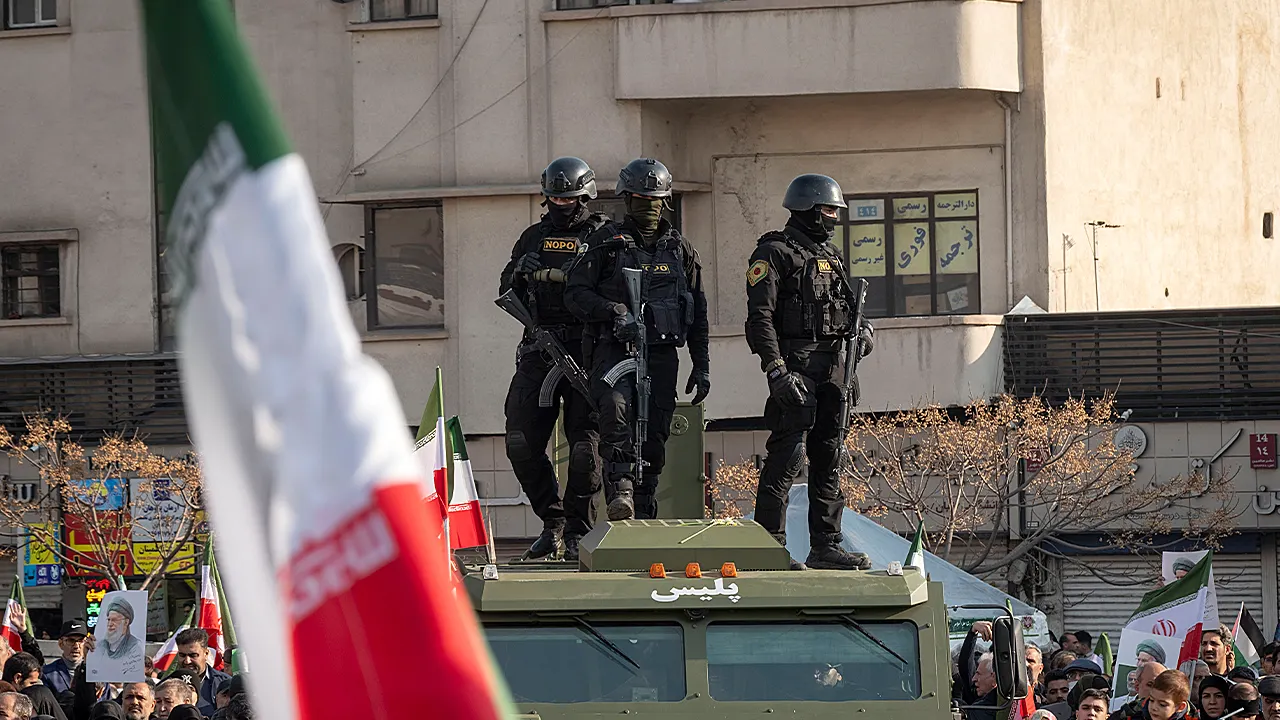

In a troubling escalation of international tensions, two Iranian men were recently convicted in Britain for spying on journalists and critics in a case that highlights Iran’s ongoing covert operations beyond its borders. The verdict, delivered by a jury in Woolwich Crown Court, comes amid broader allegations and fears regarding the Islamic Revolutionary Guard Corps (IRGC)’s involvement in cyberattacks in Europe and warnings about Iranian sleeper cells operating in the Gulf region. The implications of these findings suggest a significant security threat, pushing Western and Gulf authorities to reevaluate their diplomatic strategies towards Tehran.
| Article Subheadings |
|---|
| 1) Conviction of Iranian Nationals in Britain: A Security Wake-Up Call |
| 2) Allegations of Cyberattacks in France: Targeting Food Supply Infrastructure |
| 3) Emergence of Iranian Sleeper Cells: A Pan-Gulf Concern |
| 4) Broader Implications of Iran’s International Activities |
| 5) Moving Forward: Diplomatic Efforts Amid Security Threats |
Conviction of Iranian Nationals in Britain: A Security Wake-Up Call
On a significant day for national security, Mostafa Sepahvand (41) and Farhad Javadi Manesh (46) were found guilty at Woolwich Crown Court for their involvement in espionage activities targeting critics of the Iranian government. This case marks a pivotal moment, being the first conviction under the UK’s National Security Act of 2023, indicating a growing recognition of the threat posed by foreign intelligence operations within the UK. Prosecutors presented evidence that the two men engaged in surveillance operations between August 2024 and March 2025, focusing on journalists from Iran International, a London-based outlet critical of Tehran.
The reasons behind this operation reflect the Iranian regime’s relentless efforts to stifle dissent and monitor expatriates critiquing its policies. The guilty verdict emphasizes the UK’s commitment to countering such foreign interference and signals an acknowledgment of the risks posed by Iranian espionage. British authorities have stated that these type of international operations are a growing concern, beyond just military threats.
In addition, Sepahvand faced additional charges for attempting to prepare for serious violence against individuals in Britain, underscoring the potential danger these operations pose not only to information security but also to physical safety. The judicial outcomes of this case may encourage other countries to scrutinize similar threats posed by Iran, promoting an international response.
Allegations of Cyberattacks in France: Targeting Food Supply Infrastructure
In a parallel incident involving Iranian military capabilities, French authorities implicated the IRGC in a sophisticated cyberattack against the country’s food supply infrastructure. This occurred on October 11-12 when hackers remotely manipulated refrigeration units across approximately 700 retail locations, including major grocery chains such as Carrefour and Leclerc. The attack led to significant spoilage of food stocks and even caused at least 15 fire incidents due to overheating equipment.
The French Cyber Crisis Coordination Centre reported concerns that this aggression represents a new level of cyber threat from Iran, reflecting a more aggressive stance in utilizing technology to disrupt essential services. French Foreign Minister Jean-Noël Barrot described the scale and impact of the cyberattack as unprecedented, prompting discussions about potential European sanctions against those responsible.
Iranian officials have denied allegations of involvement in the cyberattacks, labeling them as unfounded accusations aimed at demonizing the country. Still, the incident serves as a critical point of concern for European nations, highlighting the intersection of cyber warfare and security in the modern age, particularly in the face of traditional military threats.
Emergence of Iranian Sleeper Cells: A Pan-Gulf Concern
Alarming reports have emerged from the United Arab Emirates regarding the existence of Iranian sleeper cells operating both within the Gulf region and beyond. According to statements from Dr. Ali Rashid Al Nuaimi, a senior UAE official, several suspected Iranian operatives have been arrested, raising concerns about Iran’s broader network of covert operatives. These sleeper cells reportedly assist in orchestrating attacks and supporting armed groups aligned with Iranian interests.
The UAE’s proactive measures in countering these threats indicate a heightened awareness of Iranian espionage tactics and regional destabilization efforts. Al Nuaimi emphasized that while military action is a response to disrupt such networks, diplomatic negotiations with Iran need to address these sleeper cells’ activities as well, pushing for comprehensive dialogue that encompasses both military and intelligence security.
The prospect of finding and dismantling these sleeper cells places additional pressure on Gulf states to improve their intelligence-sharing mechanisms and regional cooperation to ensure safety and stability. Furthermore, the existence of these cells contributes to regional tensions, complicating relations between Iran and its neighbors, as governments grapple with the implications of such intelligence activities.
Broader Implications of Iran’s International Activities
The recent developments involving Iranian nationals in Britain, cyberattacks in France, and sleeper cell sightings in the Gulf create a troubling narrative regarding Iran’s operations abroad. These events demonstrate a complex web of issues that extend well beyond physical borders, illustrating the potential for Iranian intelligence operations to impact global security. Experts argue that the current wave of Iranian activities signals a strategy aimed at consolidating its power through a blend of conventional military threats and covert operations targeting dissidents and destabilizing civilian structures.
Simultaneously, these incidents come amidst broader geopolitical tensions surrounding Iran’s nuclear aspirations and military ambitions in the region. The United States continues to apply economic pressure on Tehran while remaining open to diplomatic negotiations. However, the compromised security integrity brought forth by espionage activities raises challenging questions about what concessions might be possible and what the consequences may entail.
With tasks as multifaceted as countering cyber threats, intelligence operations, and military engagement, the international community faces a growing challenge in mitigating risks originating from Iranian influence. Diplomats must navigate safety and security concerns while exploring avenues for dialogue aimed at fostering stability.
Moving Forward: Diplomatic Efforts Amid Security Threats
As tensions continue to rise, the collective global outlook toward Iran has become increasingly cautious. The G7 foreign ministers recently voiced their concerns regarding Tehran’s destabilizing activities and pledged to amplify efforts aimed at constraining Iran’s reach. In this light, enhancing intelligence sharing and developing coordinated responses to cyber threats will be vital components of international relations in the coming years.
Despite the alarming nature of these incidents, officials have affirmed their commitment to seeking diplomatic solutions. Secretary of State Marco Rubio indicated that while the U.S. would not entertain “unrealistic demands,” Washington remains open to negotiations with Iran that ensure stability in the region. It raises hopes of stabilizing a region traditionally marred by significant conflict and aggression.
As highlighted by recent events, future diplomatic efforts must grapple with not only the direct military threats posed by Iran but also the wider implications of its espionage and cyber activities. As nations seek to navigate this precarious landscape, striking a balance between defense and dialogue will be crucial.
| No. | Key Points |
|---|---|
| 1 | Two Iranian nationals were convicted in Britain for spying on journalists and critics of the Iranian government. |
| 2 | French authorities accused Iran’s IRGC of orchestrating major cyberattacks against food supply infrastructures, affecting numerous retail locations. |
| 3 | UAE officials warned about the existence of Iranian sleeper cells throughout the Gulf region and beyond. |
| 4 | G7 foreign ministers have expressed serious concerns about Iran’s disruptive actions and pledged to coordinate countermeasures. |
| 5 | Diplomatic efforts continue amidst rising tensions, with a focus on ensuring security while pursuing potential negotiations with Iran. |
Summary
The recent conviction of Iranian nationals in Britain, compounded by accusations of cyberattacks in France and warnings about sleeper cells from UAE officials, illustrate a growing pattern of Iranian covert operations threatening national security on multiple fronts. These developments underscore the necessity for continued vigilance and international cooperation in countering not only traditional threats but also the more insidious nature of espionage and cyber activities. As the diplomatic landscape evolves, maintaining a balance between securing national interests and pursuing open lines of communication remains essential for both regional and global stability.
Frequently Asked Questions
Question: What were the charges against the Iranian men in Britain?
They were convicted of spying on journalists and critics of the Iranian government, engaging in conduct likely to assist a foreign intelligence service.
Question: What did French authorities claim about the cyberattacks?
French authorities linked the attacks to the IRGC, reporting that hackers manipulated refrigeration controls in supermarkets, leading to food spoilage and fire outbreaks.
Question: Why are sleeper cells a concern for Gulf nations?
Sleeper cells pose a significant security threat as they can facilitate covert operations and potentially orchestrate attacks against national interests, further destabilizing the region.
