

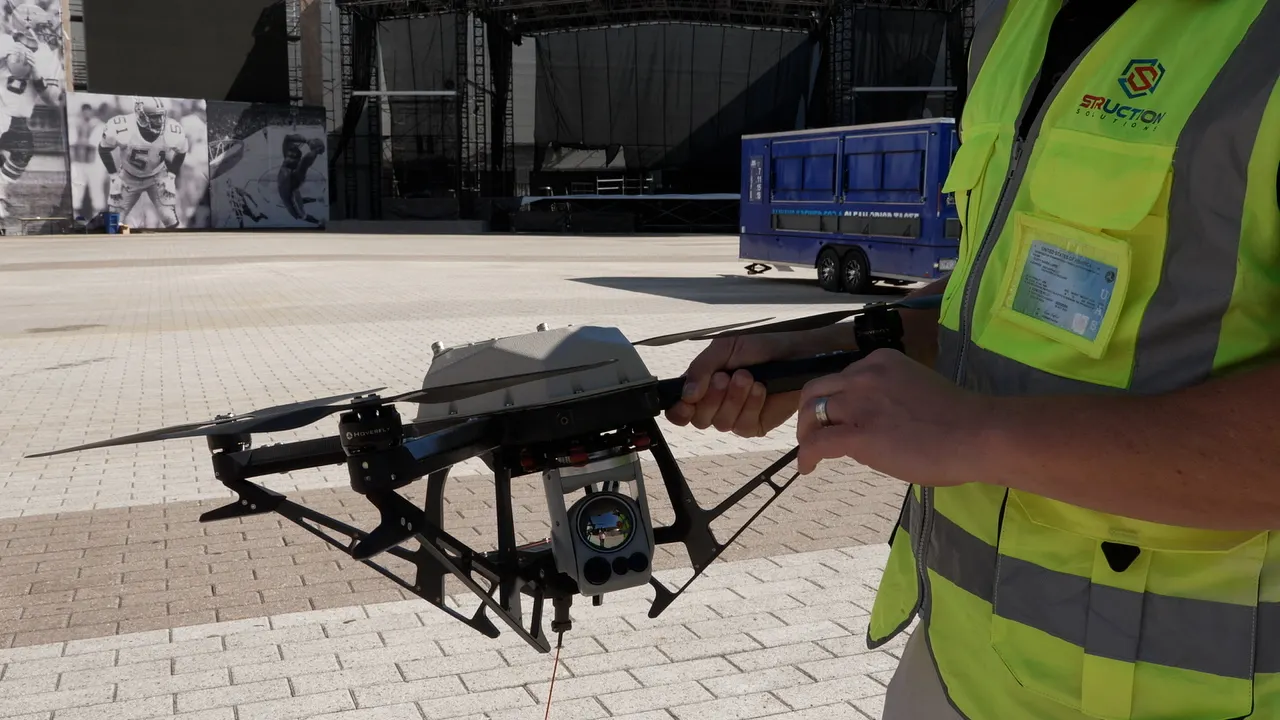

In the United States, thousands of service members transition from active duty back to civilian life each year, with over 200,000 veterans seeking new opportunities annually. One organization aims to ease this transition by providing veterans with skills in an emerging field: the drone industry. Founded by Chris Lewis, a Marine Corps veteran, Vets to Drones offers training and pathways into careers that not only utilize military skills but also foster a sense of community and purpose among participants.
| Article Subheadings |
|---|
| 1) The Challenge of Transitioning from Military to Civilian Life |
| 2) Vets to Drones: Bridging the Skills Gap |
| 3) Realness of Experience: Stories of Veterans |
| 4) Broadening Horizons: The Impact of Drone Technology |
| 5) The Future of Vets to Drones |
The Challenge of Transitioning from Military to Civilian Life
Each year, around 200,000 service members navigate the challenging shift from military service to civilian life. This transition can be steep, marked by the quest for new identities and careers outside the structured military environment. According to various studies, veterans often face barriers such as adjusting to civilian workplace cultures and translating military skills into language understandable by employers. The support of organizations that cater to these transitions is critical in helping veterans find purpose and economic stability.
The struggle is amplified for many due to the lack of resources and guidance. Veterans often find it difficult to locate industries where their training and experience can be beneficial. Without structured programs to connect them with job training and education, many veterans face delays in their careers, leading to feelings of isolation and frustration in a society that is seemingly indifferent to their service. This scenario is particularly prevalent for those who served in combat and may also be navigating mental health challenges related to their military service.
Vets to Drones: Bridging the Skills Gap
Recognizing the need for a targeted approach, Chris Lewis launched Vets to Drones, a nonprofit organization dedicated to empowering veterans with skills and certification in the drone industry. Lewis, a former Marine, established the program after experiencing the hardships of transitioning to civilian life himself. Through his initiative, he aims to offer veterans the training necessary to obtain FAA Commercial Drone Certification, preparing them for jobs in diverse sectors ranging from agriculture to emergency response.
Vets to Drones has positioned itself as a robust workforce pipeline, capitalizing on veterans’ existing competencies while providing insight into the rapidly evolving drone technology marketplace. As the demand for UAV (Unmanned Aerial Vehicle) applications continues to grow, veterans who complete the program find not only employment opportunities but also a reinvigorated sense of purpose in contributing to civilian safety and enhancing technology operations.
Realness of Experience: Stories of Veterans
One of the veterans who benefited from Vets to Drones is Dusty Lopez, who, after leaving the military, ventured into disaster recovery and insurance, and eventually founded his own company focused on insurance assessments. His journey intersected with Vets to Drones when he sought drones for specific tasks within his business. That initial meeting evolved into a fruitful partnership, emphasizing how the drone industry can create collaborative opportunities.
Lopez proudly embraces the core values he learned in the Marine Corps—honor, courage, and commitment—that continue to guide him in his civilian life and business endeavors. Today, he owns nearly a dozen drones, outfitted for various operational needs, including law enforcement monitoring and disaster response. This story exemplifies how Vets to Drones not only connects veterans to jobs but also fosters an entrepreneurial spirit, enabling them to carve out successful paths in civilian roles that align with their military training.
Broadening Horizons: The Impact of Drone Technology
Vets to Drones is fundamentally changing perceptions about the capabilities of veterans. Graduates of the program have played significant roles in search and rescue missions, agricultural assessments, disaster relief operations, and providing technical support for first responders during emergencies. The organization has even made strides during natural disasters; for instance, in the aftermath of Hurricane Ida, Vets to Drones created a comprehensive aerial view of affected areas, enabling better planning and response actions.
The scope of drone technology applications continues to expand as industries increasingly look for innovative solutions to traditional problems. Veterans, with their disciplined backgrounds and technical training, are uniquely positioned to excel in these roles, filling gaps in labor markets that require high levels of precision and responsibility. Additionally, the social fabric that’s woven through training classes and fieldwork provides veterans with camaraderie and support, foundational elements in their journey towards reformulation of self-identity in civilian life.
The Future of Vets to Drones
Looking ahead, Vets to Drones plans to expand its efforts exponentially. Currently, it serves nearly 8,000 members, with many already holding FAA Commercial Drone Pilot Licenses. Leaders within the organization are keen to further develop partnerships with businesses and government agencies, ensuring that their veterans secure meaningful employment opportunities. The increasing ubiquity of drones in various sectors indicates a bright outlook for both the industry and its veteran workforce.
With an emphasis on continuous learning, Vets to Drones is set to enhance its curricula, adapting to new technologies, regulations, and job markets. Lewis expresses fulfillment every time he hears success stories from participants who have improved their lives through the skills they acquired. Such feedback demonstrates the organization’s vital role in altering the common narrative surrounding veterans and their contributions to both the workforce and community at large.
| No. | Key Points |
|---|---|
| 1 | Over 200,000 service members transition to civilian life annually, facing numerous challenges. |
| 2 | Vets to Drones connects veterans with training in the growing drone industry. |
| 3 | Real-world success stories highlight the benefits of the program for transitioning veterans. |
| 4 | Veterans play critical roles in emergency management, agriculture, and public safety through drone technology. |
| 5 | The program aims to significantly expand, with plans for increased partnerships and educational resources. |
Summary
The ongoing efforts by Vets to Drones exemplify how innovative programs can bridge the gap between military service and civilian employment, offering veterans a unique opportunity to apply their skills in a rapidly evolving technology sector. As they continue to grow and adapt, organizations like this play a crucial role in supporting veterans’ journeys, fostering a sense of community while enhancing their career prospects in the drone industry.
Frequently Asked Questions
Question: What types of training do veterans receive through Vets to Drones?
Veterans receive comprehensive training that prepares them for FAA Commercial Drone Certification, equipping them with the skills to operate drones in various contexts such as emergency management, agriculture, and security operations.
Question: How has drone technology impacted the roles of veterans?
Drone technology has expanded job opportunities for veterans, allowing them to apply their skills in various sectors that require precision, technical expertise, and operational knowledge gained during military service.
Question: What are the future goals for Vets to Drones?
Vets to Drones aims to expand its training programs, increase partnerships with businesses, and enhance educational resources to provide more veterans with opportunities in the growing drone industry.
