

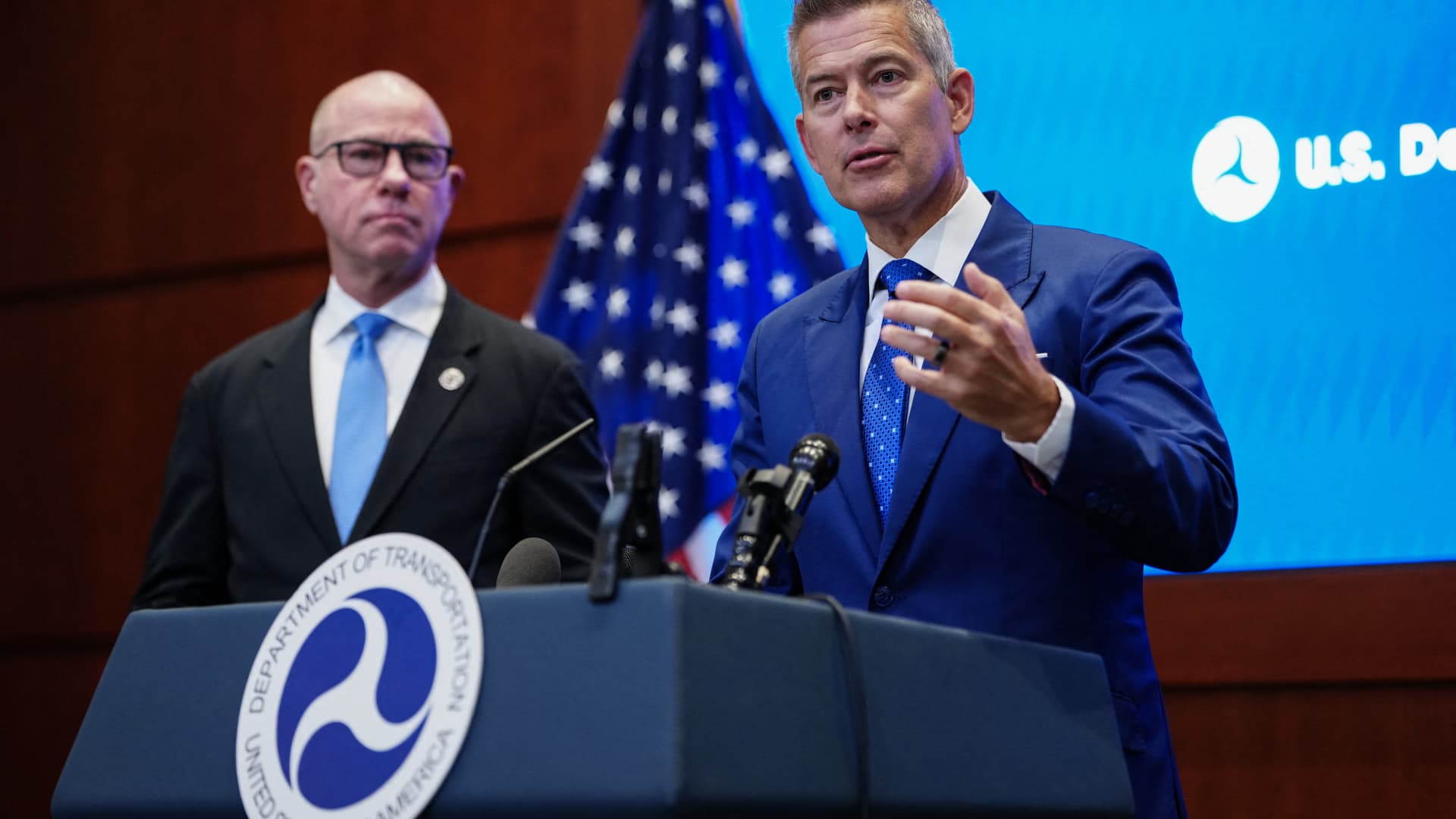

In an unprecedented event reminiscent of the grounding orders following 9/11, U.S. airports experienced significant disruptions due to a malfunction in the air traffic control system. The incident, linked to updates made by contractor L3Harris Technologies, left hundreds of thousands of travelers stranded as nearly 6,500 flights were canceled on one of the busiest travel weekends of the year. Transportation Secretary Sean Duffy confirmed that the issue stemmed from a faulty telecommunications upgrade, while officials emphasized that there was no indication of malicious activity. As the aviation industry scrambles to remedy the situation and ensure safe travel, discussions about the urgent need for infrastructure modernization have come to the forefront.
| Article Subheadings |
|---|
| 1) Understanding the Ground Stop Incident |
| 2) The Scale of Flight Disruptions |
| 3) Airline Responses and Compensation Strategies |
| 4) Insights on Aging Infrastructure |
| 5) Impacts on Sports and Events |
Understanding the Ground Stop Incident
The U.S. air traffic control system was brought to a standstill on November 13, 2026, marking the longest nationwide ground stop since the September 11 attacks. Transportation Secretary Sean Duffy revealed that the disruption originated from a telecommunications upgrade at a remote location, where L3Harris Technologies was in the process of switching from an outdated copper wire system to more modern fiber optics. Unfortunately, a router malfunction triggered overwhelming communication attempts—over 1,000 connections every five seconds—that flooded the air traffic control system and created dangerous instability in airplane communications and radar feeds.
The Federal Aviation Administration (FAA) took decisive action by halting all departing flights after acknowledging the potential dangers posed by the communication losses. FAA Administrator Bryan Bedford clarified in a press briefing that there was no evidence to suggest that the incident was caused by a cyberattack or any malicious intent. Instead, the discussion focused on whether the cause could be attributed to user error, faulty installation by L3Harris, or a faulty router itself.
As part of the ongoing investigation, L3Harris asserted its commitment to support the FAA in its efforts to determine the precise cause of the ground stop that affected national air travel. With over 70% of the shift to fiber-optic systems completed, questions remain about the reliability of the infrastructure used in the world’s busiest airspace.
The Scale of Flight Disruptions
As a direct fallout from the ground stop, the disruptions in flight operations continued to escalate. On Saturday following the incident, flight-tracking website FlightAware reported nearly 6,500 flights canceled, with an additional 8,000 delays recorded by 9 p.m. ET. These staggering figures highlighted the widespread impact on travelers during a peak time for air travel, marked by the impending Thanksgiving holiday.
The disruptions were further aggravated on Friday, where reports indicated that more than 9,000 flights had been canceled—approximately one-third of the scheduled services for that day. Multiple factors contributed to this chaos, including adverse weather conditions, which complicated the logistical challenges faced by airlines. The aviation-data firm Cirium noted that Friday had seen the second-highest cancellations since a severe winter storm impacted flights in January.
Travelers had to contend with not only lengthy delays and cancellations but also significant logistical nightmares as airplanes that had already taken off were forced to divert to other airports due to safety concerns and limited gate space for parked aircraft at their intended destinations.
Airline Responses and Compensation Strategies
In response to the challenges posed by the ground stop and the resulting flight disruptions, airlines quickly adapted their strategies. For example, American Airlines began offering additional compensation to flight attendants willing to take on extra trips to help accommodate the backlog of passengers. Similarly, Delta Air Lines offered double pay for crew members picking up trips, highlighting the urgency of placing staff in the right positions to manage the surge in demand as operations resumed.
United Airlines joined the ranks of companies providing financial incentives to encourage pilots and flight attendants to step in and assist in managing the situation. Recognizing the magnitude of the disruption, airlines also committed to facilitating customer ticket changes without additional fees, while assuring passengers that they would cap certain airfares to mitigate further complications.
Cirium estimates indicated that approximately 3 million passengers were slated to fly on Saturday, necessitating the immediate restoration of services. Airlines operated on a light schedule to expedite the recovery process as they prepared for one of the busiest holiday travel periods, displaying a commitment to the safe transit of passengers during these challenging circumstances.
Insights on Aging Infrastructure
Secretary Duffy pointed fingers at outdated U.S. infrastructure as a primary contributing factor to the communication issues experienced during the incident. He called on Congress to allocate more funding to modernize air traffic control systems, emphasizing the significance of updating aging systems to prevent future disturbances.
The systemic flaws within the air traffic control infrastructure have ignited frustration among airline executives for years, who argue innovation and modernization are long overdue. The disruption served as a stark reminder of the potential consequences of neglecting necessary infrastructure improvements in a country that manages the world’s most demanding airspace.
Duffy also noted that this incident was only the second nationwide ground stop issued by the FAA since the September 11 attacks, pointing to the extraordinary nature of the situation and highlighting the need for deeper examination of current protocols and safety measures.
Impacts on Sports and Events
The unprecedented air travel disruption also disrupted sports schedules across the nation, affecting professional leagues and college teams alike. Various teams, struggling to reach their destinations on time for scheduled games, faced additional challenges as they navigated through limited flight availability.
During a press briefing, Duffy recommended that college football teams traveling on charter flights reach out to the FAA for scheduling assistance to prioritize their departures. Notably, some games in the Southeastern Conference were postponed to Sunday, illustrating the ripple effects the ground stop had on sporting events. The National Football League (NFL) announced it would utilize backup referees for several scheduled games due to travel delays, providing an insight into the broader impact of the disruption on orchestrating weekend events.
These interruptions serve as a vital testament to the interconnectedness of air travel and major events in American society, as disruptions ripple beyond individual travel discomfort to impact community engagement and entertainment on a larger scale.
| No. | Key Points |
|---|---|
| 1 | The ground stop was the longest since 9/11, impacting hundreds of thousands of travelers. |
| 2 | L3Harris Technologies’ routing error caused severe communication issues in air traffic control. |
| 3 | Nearly 6,500 cancellations and 8,000 delays were reported on the weekend of the disruption. |
| 4 | Airlines offered financial incentives to staff to resume operations smoothly. |
| 5 | The incident highlighted urgent needs for infrastructure modernization in the U.S. air traffic control system. |
Summary
The recent ground stop incident that resulted in massive flight cancellations and delays underscores the vulnerabilities within the U.S. air traffic control infrastructure. As officials grapple with the implications of this unprecedented disruption, the urgent need for funding and modernization has been put into stark focus. Looking ahead, it is paramount for regulatory bodies and industry leaders to collaborate on solutions that enhance system reliability and ensure the safety of air travel, especially as the country enters peak travel seasons.
Frequently Asked Questions
Question: What caused the recent ground stop in U.S. air travel?
The ground stop was primarily caused by a malfunction in the telecommunications system managed by L3Harris Technologies, specifically a router that overwhelmed air traffic control communications.
Question: How did airlines respond to the flight disruptions?
Airlines implemented various strategies, including offering additional pay to flight crews and waiving ticket change fees for affected passengers, to manage the disruptions effectively.
Question: What are the implications of outdated air traffic infrastructure?
Outdated air traffic infrastructure can lead to critical system failures, as illustrated by the recent ground stop, highlighting the need for significant modernization efforts to safeguard air travel.
