

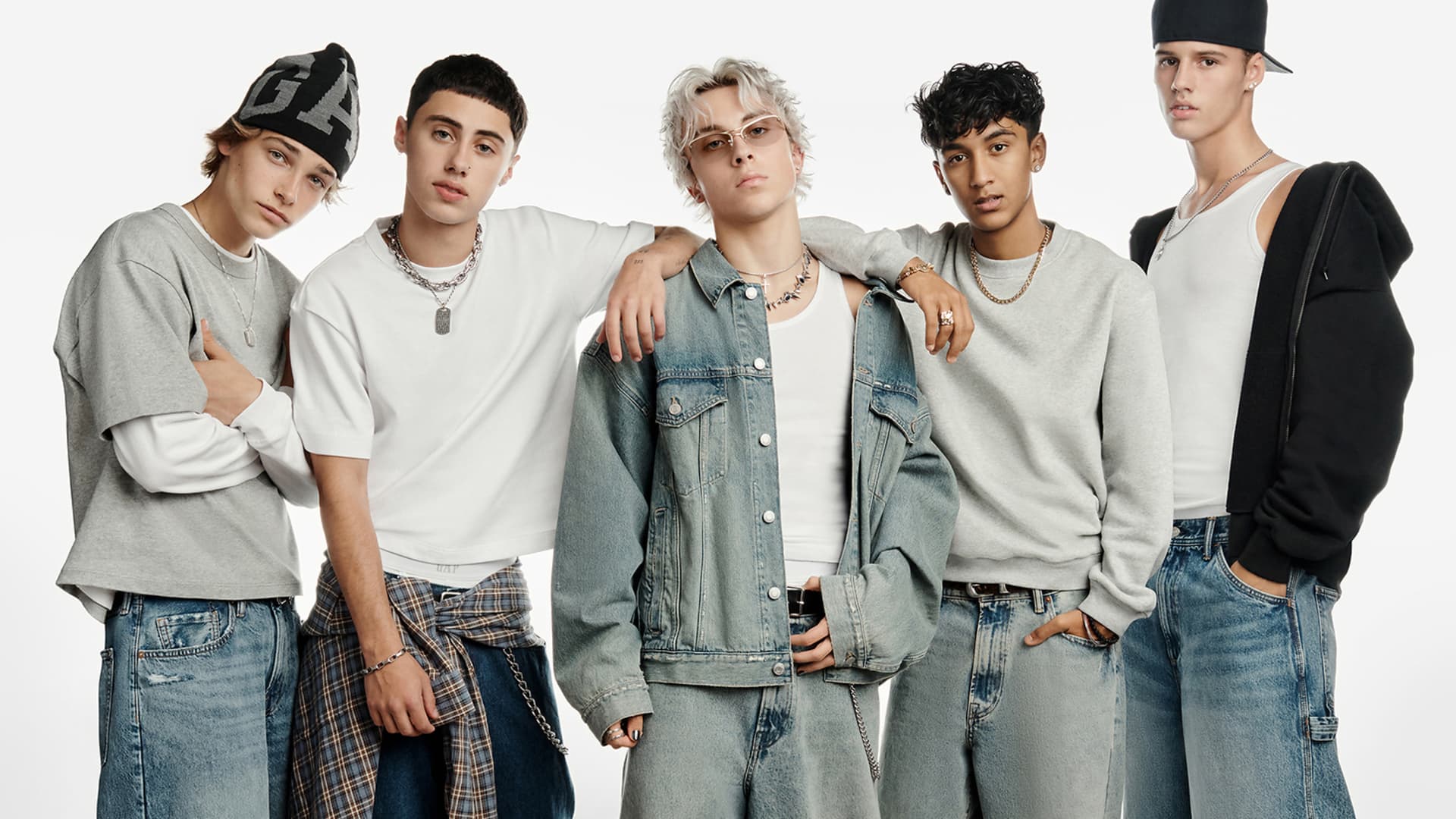

Gap Inc. is making waves in the retail sector with the introduction of its first foray into “fashiontainment,” a strategy that merges fashion and entertainment. The company has partnered with the emerging boy band Just Your Type, signaling a shift in its marketing strategies aimed at engaging younger consumers. As part of a broader vision, Gap has hired former Paramount executive Pam Kaufman as its chief entertainment officer, spearheading innovative campaigns that challenge traditional retail norms.
| Article Subheadings |
|---|
| 1) The Strategy Behind Fashiontainment |
| 2) Importance of Intellectual Property in Retail |
| 3) New Opportunities for Non-traditional Players |
| 4) The Rise of Experiential Retail |
| 5) Balancing Entertainment and Retail Fundamentals |
The Strategy Behind Fashiontainment
In recent years, Gap Inc. has been focused on redefining its brand strategy to resonate more meaningfully with consumers. This has culminated in the establishment of a new role within the company: the Chief Entertainment Officer, held by Pam Kaufman, who previously worked at Paramount. This role was born out of an understanding that today’s consumers are no longer satisfied with merely transactional shopping experiences. Instead, Gap hopes to engage its customer base through innovative marketing strategies that feature significant cultural elements, like partnerships with musical acts.
According to Kaufman, Gap aims to create an authentic connection with consumers through entertainment-based experiences. “Beloved brands have value beyond the products they sell,” she noted, emphasizing that the consumer’s desire to be part of the brand’s universe is crucial to successful marketing in today’s landscape. This focus on “fashiontainment” not only aligns with current media consumption trends but also repositions Gap to be at the forefront of contemporary retail challenges.
Gap’s collaboration with Just Your Type marks a movement towards an integrated marketing approach that weaves music and fashion into a single narrative. This strategy is reflective of a more extensive trend in retail, where brands are seeking to become entertainment players, not just purveyors of goods. This intersection offers brands the opportunity to cultivate community and engagement, enhancing their relevance in an increasingly competitive landscape.
Importance of Intellectual Property in Retail
The intersection of retail and entertainment comes at a time when intellectual property (IP) has never been more valuable. Experts point out the rise in demand for engaging and original content from consumers inundated with marketing messages. Alex Michael, a senior managing director at an investment firm, states that the key to capturing audience attention today lies in innovative IP development.
Michael argues that the battle for consumer attention has intensified, making IP the most essential asset available to brands. He notes that companies that can create compelling and resonant stories around their brands will stand out amid the overwhelming noise in the marketplace. To navigate this landscape, it is recommended that brands expand their use of IP across various formats, including video, audio, and live events, in order to secure consumer loyalty and trust earlier in their journey.
These insights underscore how brands like Gap are leveraging existing cultural phenomena while simultaneously creating new forms of content that can keep audiences engaged. By tapping into exciting narratives and popular cultural references, Gap can create a more profound connection with its customer base, which is critical in today’s ever-evolving retail environment.
New Opportunities for Non-traditional Players
As the retail space evolves, new players are emerging who can capitalize on the current landscape’s shift away from traditional retail models. Sean Akaks, CEO of SonderCo, notes that the consolidation of legacy entertainment companies has opened opportunities for non-traditional players to enter the market. Brands looking to maintain a direct channel to consumers can utilize their platforms to engage audiences without needing to rely on established media channels.
The establishment of direct-to-consumer relationships represents a new era for brand engagement, where non-traditional players, including independent creators, can foster content that resonates strongly with audiences. In many ways, this democratization of content creation allows companies to explore partnerships that merge creative visions with practical brand strategies. Akaks articulates that there is potential for brands and creators to co-create compelling stories together, sharing ownership of the resulting intellectual property.
The Rise of Experiential Retail
To enhance customer engagement significantly, retailers are also turning to experiential retail, where the shopping experience transcends mere transactions. Companies like Dick’s Sporting Goods are offering interactive activities and immersive experiences within their physical stores. This evolution of the retail space aims to create a more engaging shopping atmosphere that captivates customers and enhances brand loyalty.
Experiential retail is not just a temporary trend; it has been shown to lead to measurable increases in consumer spending. Data from consulting firm AlixPartners reveals that retailers investing in experiential formats saw approximately 10% year-over-year growth in basket sizes. This underscores the importance of creating engaging environments that encourage consumers to linger and explore, ultimately leading to increased sales.
Jeff Goldstein, co-lead of the media and entertainment practice at AlixPartners, articulates that merging entertainment with retail aims to establish a sustainable “flywheel” effect that both sectors strive to create. This integration of entertainment-oriented content into retail spaces aims to maintain consumer engagement beyond the point of entry, promoting continued loyalty and repeat visits.
Balancing Entertainment and Retail Fundamentals
Despite the rising prominence of entertainment within the retail sector, experts caution that it should not overshadow the fundamental principles of good retailing. Bryan Eshelman, who leads the retail practice at AlixPartners, emphasizes that successful retailers must still offer quality products at competitive prices to convert entertainment engagement into tangible sales. While the infusion of entertainment elements can attract consumers, it cannot compensate for core quality and value.
Retailers are increasingly realizing that while captivating experiences can draw consumers in, solid operational foundations are essential to ensure repeat business. The ability to maintain product availability and transparent pricing remains central to customer satisfaction and retention. Thus, retailers must strike a balance between immersive experiences and the provision of essential goods to avoid losing sight of the core mission of retail.
| No. | Key Points |
|---|---|
| 1 | Gap Inc. introduces its first “fashiontainment” partnership with the boy band Just Your Type. |
| 2 | The hiring of Pam Kaufman as Chief Entertainment Officer reflects a shift towards blending retail and entertainment. |
| 3 | Intellectual property plays a crucial role in attracting consumers in a crowded marketplace. |
| 4 | Non-traditional players have new opportunities in a rapidly changing entertainment landscape. |
| 5 | Experiential retail is crucial for increasing consumer engagement and sales. |
| 6 | Retailers must maintain balance between entertainment strategies and fundamental retail practices. |
Summary
As Gap Inc. embarks on its innovative journey of blending fashion with entertainment, the evolution of its strategies demonstrates a significant shift in the retail landscape. The company’s focus on authentic connections, intellectual property, and immersive experiences highlights an ambition not simply to sell clothing but to create a cultural narrative that engages consumers on multiple levels. Through this approach, Gap aims not just to thrive but to redefine the meaning of retail in a rapidly changing market.
Frequently Asked Questions
Question: What is “fashiontainment”?
Fashiontainment is a marketing strategy that combines elements of fashion and entertainment, aiming to engage consumers through cultural and storytelling elements associated with brands.
Question: Who is Pam Kaufman?
Pam Kaufman is the Chief Entertainment Officer at Gap Inc., responsible for integrating entertainment and content into the brand’s marketing strategies.
Question: Why is experiential retail important?
Experiential retail is important because it creates immersive shopping environments that encourage consumer engagement, often leading to higher sales and customer loyalty.
