

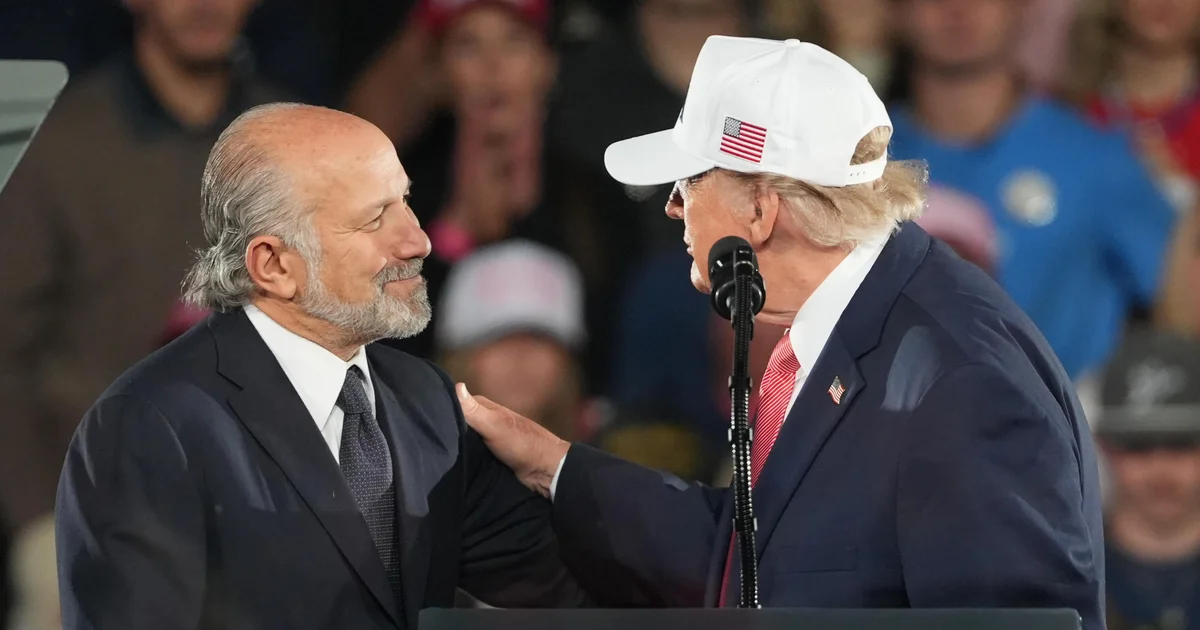

On December 10, Commerce Secretary Howard Lutnick is set to testify before the Senate Banking Committee amid mounting scrutiny regarding the Department’s handling of advanced AI chip exports. This follows increasing Republican pressure over the apparent delay in adding Singapore-based company Megaspeed International to the U.S. Entity List, a move that could have prevented the firm from accessing critical AI technologies. Concerns have been amplified due to Megaspeed’s previous leadership by Alice Huang, who is suspected of espionage and is directly linked to the now-resigned CEO of Nvidia, Jensen Huang.
| Article Subheadings |
|---|
| 1) Background on the AI Chip Export Controversy |
| 2) Political Pressure on the Commerce Department |
| 3) Testimony and Accountability |
| 4) Implications for U.S.-China Relations |
| 5) The Future of AI Chip Regulations |
Background on the AI Chip Export Controversy
The issue surrounding AI chip exports has drawn significant attention in recent months, particularly following allegations against Megaspeed International, a company suspected of directing advanced AI chips to China. Under the leadership of Alice Huang, the company has been scrutinized for purportedly circumventing a U.S. export ban intended to restrict sensitive technologies from falling into the hands of potentially hostile nations. Officials in the U.S. government suspect that Megaspeed’s operations directly conflict with national security interests, raising alarms over state-of-the-art innovations reaching the Chinese market.
The heart of the controversy involves advanced chips produced by Nvidia, a key player in the AI technology landscape. As AI technology continues to evolve rapidly, experts have consistently highlighted the potential risks associated with its proliferation outside U.S. control. Given the strategic importance of AI in national security, the delay in adding Megaspeed to the Entity List may represent a significant oversight by the Commerce Department.
Political Pressure on the Commerce Department
In the wake of these revelations, GOP senators, including Jim Banks from Indiana, have ramped up calls for accountability from Secretary Lutnick. They allege that the Secretary has exploited loopholes to enable chip sales that should have been prohibited under directives from former President Donald Trump. As political pressures mount, several lawmakers argue that Lutnick’s actions could undermine efforts to secure the U.S. technological edge against China.
Moreover, the clash between the Commerce Department and the Treasury reflects broader tensions within the U.S. administration about foreign technology trade. The Treasury’s Secretary, Scott Bessent, has publicly underscored the need for stringent measures against Megaspeed, claiming that multiple departments have advocated for stronger restrictions but were stymied by procedural delays within the Commerce Department. This complicated dynamic suggests that the controversy may not only rest on individual misconduct but also reveal a lack of cohesive strategy in U.S. export policies.
Testimony and Accountability
As Secretary Lutnick prepares for his upcoming testimony, significant questions remain about the internal processes that led to this situation. The Senate Banking Committee, which oversees banking, housing, and urban development, will probe Lutnick’s decisions and the rationale behind the lengthy deliberation regarding Megaspeed’s status. The inquiry is focused on understanding whether there was a systemic failure within the Department to act on intelligence regarding the company’s activities, and if so, how such failures can be rectified moving forward.
The outcome of Lutnick’s testimony could have significant implications within the Commerce Department and the broader governmental approach to technology export regulations. Lawmakers are likely to push for more stringent controls and clarity regarding the authority held by the Commerce Department versus other agencies. How Lutnick responds to these inquiries may not only influence his future as Secretary but also shape the U.S. stance on technology-related export regulations.
Implications for U.S.-China Relations
The controversy surrounding Megaspeed and its connections with the Chinese market represents a microcosm of the larger U.S.-China economic and geopolitical rivalry. As tensions between the two countries intensify, the management of advanced technologies like AI chips is becoming a focal point of contention. Analysts assert that allowing companies like Megaspeed to operate without stringent oversight could embolden adversarial nations, enhancing their technological capabilities and undermining U.S. interests.
The stakes are high; as artificial intelligence evolves, the competitive landscape will increasingly depend on technological superiority. U.S. policymakers recognize that access to state-of-the-art AI chips may very well dictate both economic and military advantages in the years to come. Failure to adjust export regulations accordingly could have far-reaching implications for the integrity of U.S. technological leadership.
The Future of AI Chip Regulations
Looking ahead, the implications of this unfolding narrative may shape the future of AI chip regulation for years to come. There is growing sentiment amongst lawmakers and industry leaders that the current regulatory framework may be insufficient to address the complexities introduced by rapidly advancing technologies. Some industry analysts anticipate that more comprehensive sector-wide policies are inevitable, advocating for an approach that balances innovation with national security concerns.
The ongoing scrutiny also raises questions about international partnerships and the sharing of AI technologies with allies. As countries around the globe contest for leadership in AI, the U.S. may find it increasingly necessary to reassess its current partnerships and cooperation agreements, particularly with nations that have integrated technology development with national security.
| No. | Key Points |
|---|---|
| 1 | Commerce Secretary Howard Lutnick will testify before the Senate Banking Committee on December 10. |
| 2 | The scrutiny on AI chip exports is fueled by allegations against Megaspeed International of espionage. |
| 3 | GOP senators are demanding accountability from the Commerce Department regarding delayed actions against Megaspeed. |
| 4 | The controversy can impact U.S.-China relations amid rising economic and geopolitical tensions. |
| 5 | Future regulations may redefine U.S. policies on technology exports to prevent adversarial nations from acquiring sensitive technology. |
Summary
The impending testimony of Secretary Howard Lutnick risks exposing significant cracks in the regulatory oversight of AI chip exports, drawing attention to the delicate balance between technological advancement and national security. As the U.S. government grapples with how to address emerging threats posed by technology transfers to foreign adversaries, the events surrounding Megaspeed International could catalyze a pivotal reevaluation of existing policies. The overarching significance of this situation extends beyond individual culpability, marking a potential turning point in U.S. strategy concerning global technological leadership.
Frequently Asked Questions
Question: What is the purpose of the Senate Banking Committee’s inquiry?
The inquiry aims to investigate the actions of the Commerce Department regarding the oversight of AI chip exports and the delays related to placing Megaspeed International on the Entity List.
Question: Why is Megaspeed International under scrutiny?
Megaspeed International is suspected of directing advanced AI chips to China, potentially undermining U.S. export controls and national security.
Question: What could be the long-term implications of this testimony?
The testimony may lead to stronger regulations on technology exports and could significantly impact U.S. policies regarding relations with China and other nations in the field of AI technology.
