

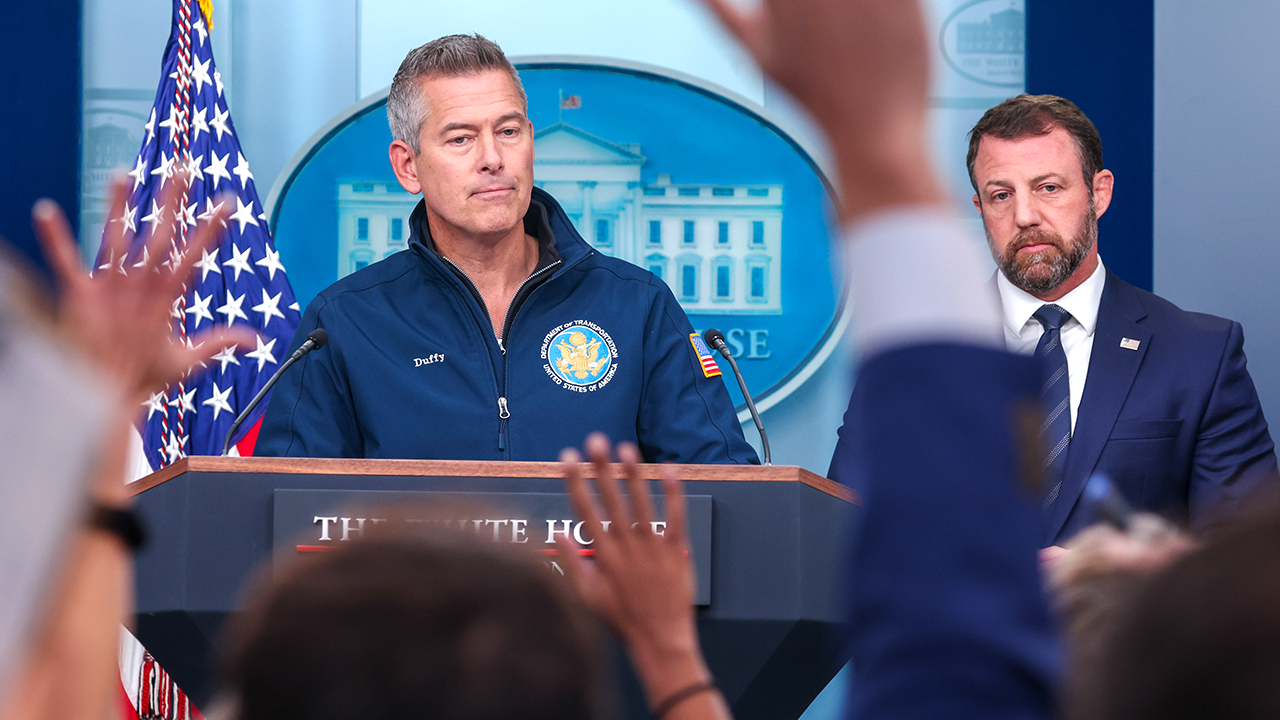

On Monday, Transportation Secretary Sean Duffy outlined plans to overhaul America’s aging air traffic control system, underscoring the urgency of this initiative following a recent nationwide ground stop that impacted over 1.5 million passengers. During an interview, Duffy emphasized the need for modern infrastructure, stating that the current system’s limitations could compromise safety and efficiency. The Secretary’s remarks come amid ongoing investigations into a telecommunications failure that prompted the ground stop and efforts to enhance the reliability of the nation’s air traffic control systems.
| Article Subheadings |
|---|
| 1) Overview of the Ground Stop Incident |
| 2) Funding and Plans for Modernization |
| 3) Investigating the Cause of the Disruption |
| 4) The Role of Technology in Air Traffic Management |
| 5) Implications for Passengers and the Future |
Overview of the Ground Stop Incident
On Friday, a significant disruption in air travel occurred due to a nationwide ground stop, leaving more than 1.5 million passengers stranded. The Federal Aviation Administration (FAA) imposed a ground halt affecting flights across the country, leading to over 12,000 flight cancellations. This major operational failure raised immediate concerns regarding the reliability of current air traffic control systems, prompting a call for comprehensive reviews and updates in both technology and infrastructure. The incident has stirred discussions about the resilience of the air traffic control system, which is critical for ensuring safe and efficient air travel in the United States.
Funding and Plans for Modernization
In response to the challenges highlighted by the ground stop, Secretary Sean Duffy revealed significant congressional backing, with an allocation of $12.5 billion designated for upgrading the nation’s air traffic control systems. “Congress did give me $12.5 billion. That’s for radar and radios. I am well on my way to deploying all that money,” Duffy stated during an interview. This funding is a foundational element in the broader initiative to revitalize outdated communications and surveillance technology within the system. The ultimate goal is to develop a state-of-the-art telecommunications network capable of supporting the evolving demands of air traffic management.
Investigating the Cause of the Disruption
Following the ground stop, investigations were launched to determine the exact cause of the disruptions. Preliminary inquiries revealed that intelligence agencies found no evidence of a cyberattack. Instead, Secretary Duffy suggested that the incident could be linked to either a network problem, router issue, or installation error. The FAA is collaborating with contractor L3Harris, which was responsible for the impacted router, to garner insights into the malfunction at their Florida laboratory. Duffy added that all intelligence agencies were involved in Friday night’s assessments, confirming that there was no indication of a breach into the FAA’s systems.
The Role of Technology in Air Traffic Management
Duffy stressed the necessity for innovative technology to address ongoing inefficiencies within the air traffic control system. He pointed out that the existing software used for managing flights in U.S. airspace was developed in the 1990s, demonstrating a pressing need for modernization. “If we’re going to drive more safety and more efficiency, we need brand-new software,” he emphasized. The implementation of advanced technological solutions is expected not only to prevent similar disruptions in the future but also to enhance overall safety and operational performance in the aviation sector.
Implications for Passengers and the Future
The implications of the recent ground stop extend beyond immediate inconvenience to passengers. The disruption raised broader questions about the reliability of air travel and safety standards. As more than a million passengers faced delays and cancellations, many expressed frustration over the lack of communication and contingency planning. Secretary Duffy’s commitment to upgrading the air traffic control system is seen as a pivotal step towards building a resilient transportation framework that adequately supports passenger needs while ensuring safety and efficiency. The modernization efforts outlined by Duffy signal a broader recognition of the need to adapt to the challenges posed by modern air travel.
| No. | Key Points |
|---|---|
| 1 | The nationwide ground stop on Friday affected over 1.5 million passengers. |
| 2 | Secretary Sean Duffy has secured $12.5 billion in funding to modernize air traffic control systems. |
| 3 | Investigations found no evidence of cyberattacks but suggested network or installation errors. |
| 4 | Outdated technology is being replaced to improve air traffic management systems. |
| 5 | The modernization efforts aim to enhance safety, efficiency, and passenger satisfaction in air travel. |
Summary
The recent significant disruptions in air travel have prompted officials to accelerate plans to modernize the air traffic control system. Secretary Sean Duffy has emphasized the need for comprehensive upgrades, supported by substantial funding, to ensure operational integrity and reliability. As investigations continue to uncover the root cause of the ground stop, the focus remains on enhancing technology and infrastructure to protect the safety of air travel in the future.
Frequently Asked Questions
Question: What caused the nationwide ground stop that affected so many flights?
The nationwide ground stop was prompted by a disruption in air traffic control, attributed to a telecommunications issue, although investigations are ongoing to determine if it was due to network problems or installation errors.
Question: How much funding has been allocated for modernizing the air traffic control system?
Secretary Sean Duffy announced that Congress has allocated $12.5 billion specifically for upgrading the air traffic control systems as part of modernization efforts.
Question: What steps are being taken to prevent future disruptions in air travel?
To prevent future disruptions, the FAA is collaborating with technology contractors to enhance the air traffic control system, including replacing outdated technology and updating software to improve efficiency and safety.
