

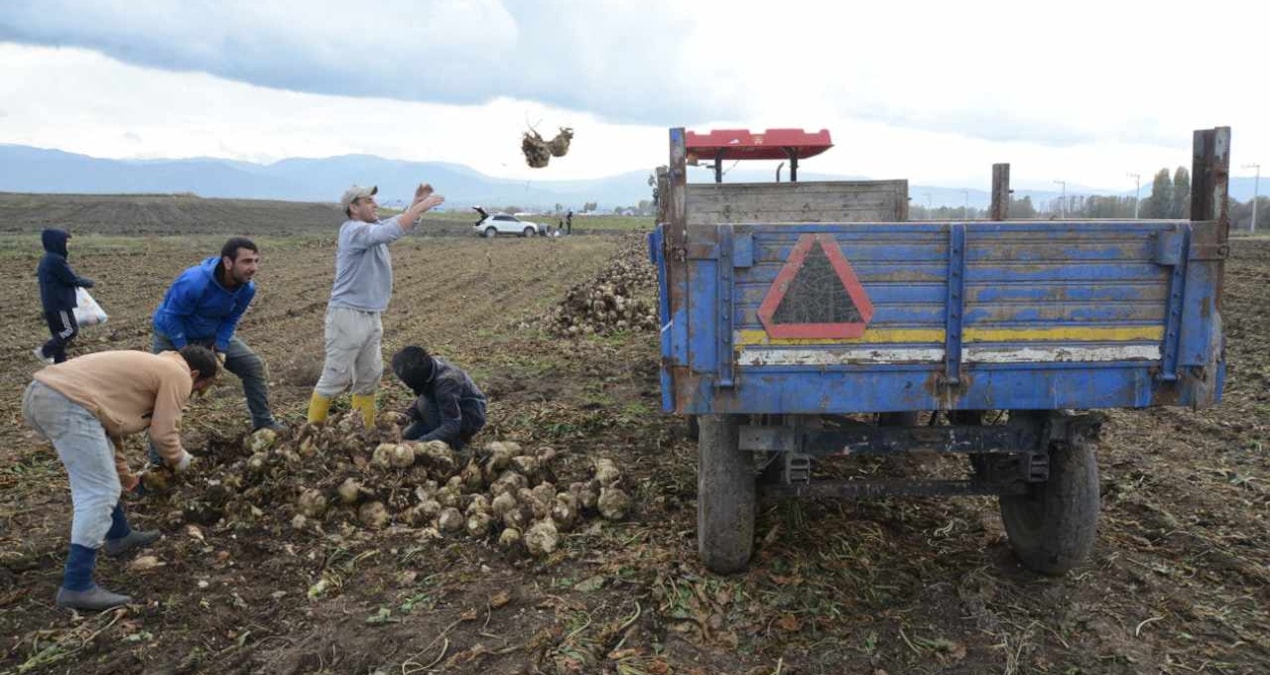

In the village of Yoncalıöz, located in Muş, Turkey, local farmers are exhibiting resilience and collaboration as they face the harsh challenges dictated by the recent heavy rains. These weather conditions have turned their sugar beet fields into muddy terrains, complicating the harvest process which is critical at this time of year. Despite the difficulties, the villagers are banding together, utilizing traditional methods to collect their crops before the impending snowfall.
| Article Subheadings |
|---|
| 1) Overview of the Situation in Yoncalıöz |
| 2) The Urgency of Harvesting |
| 3) Traditional Harvesting Methods |
| 4) Community Efforts and Support |
| 5) Implications for Local Farmers |
Overview of the Situation in Yoncalıöz
In Yoncalıöz village, heavy rainfall has significantly impacted agricultural activities, particularly affecting the sugar beet harvest that is pivotal for local farmers. The rains have created conditions where the soil turned into a quagmire, rendering heavy machinery useless for harvesting. This unforeseen weather pattern has caused alarm among farmers who depend on these crops for their livelihood, as they now face an uphill battle against the elements. The situation is compounded by the urgency of the harvest season, as rapidly approaching winter brings the threat of snow, which could further delay the collection of sugar beets.
The Urgency of Harvesting
Farmers in the region are making a concerted effort to harvest their crops as swiftly as possible. The timeline is critical; unless they manage to gather the sugar beets before the onset of snow, they risk losing their entire harvest. As daylight breaks over the fields, farmers head out with dismantling hooks and other hand tools, determined to rescue as much of their crop as possible. The process is labor-intensive; rather than relying on modern machinery, farmers must manually clear the beets from the muddy soil, emphasizing the urgency of the situation.
Traditional Harvesting Methods
In light of the muddy terrain, many farmers, such as Sabri Ay, have revisited traditional harvesting methods that their families have utilized for generations. Ay, who has approximately 30 decares of land under cultivation, explains the challenges posed by the extreme weather. Laboring together, local farmers are forced to harvest the beets by hand, a practice that he refers to as “the old way.” This method not only extends the harvest time significantly, from a typical two or three days to nearly a month, but it also highlights the enduring customs that have been passed down through decades. Farmers like Ay clean the beets manually and transport them on trailers, adhering to practices that rely on collective effort and perseverance.
Community Efforts and Support
The sense of community in Yoncalıöz comes alive as residents assist one another during this demanding period. Collaboration among neighbors and relatives has become essential to ensure that everyone’s harvest is secured.
“We harvest the beets our grandparents taught us how to,”
says Ay, illustrating the intergenerational transfer of knowledge amidst adversity. With bitter cold and muddy conditions, extra hands are not just welcome but necessary, as farmers enlist the help of family members and community volunteers to expedite the process. Such solidarity exemplifies how local cultures adapt to challenges by fostering cooperation and mutual support.
Implications for Local Farmers
The consequences of the heavy rains extend beyond just the immediate harvest difficulties. For farmers like Ay, the sugar beets represent a crucial source of income that sustains their families and local economy. The prolonged harvest period can result in significant losses, as any delay may lead to lower quality crops or complete spoilage caused by winter weather conditions. Moreover, as Ay aptly noted, “This year, we haven’t finished the harvest yet,” signifying the urgency to overcome the challenges presented by Mother Nature. The economic pressures caused by these unforeseen circumstances highlight the importance of resilience within agricultural communities and will shape their strategy regarding future harvest seasons.
| No. | Key Points |
|---|---|
| 1 | Local farmers in Yoncalıöz are facing significant challenges due to heavy rains disrupting the sugar beet harvest. |
| 2 | The urgency of the situation is heightened by the impending winter and the risk of snow. |
| 3 | Farmers are resorting to traditional hand-harvesting methods due to muddy field conditions that prevent machinery use. |
| 4 | Community support and collaboration are crucial as neighbors and relatives help each other mitigate losses. |
| 5 | The prolonged harvest time has economic implications for farmers, affecting their income and sustainability. |
Summary
The struggles faced by the farmers in Yoncalıöz underline the harsh realities of agricultural life, especially when unanticipated weather changes arise. As they work tirelessly to salvage their sugar beet harvest, the demonstration of community spirit and the return to traditional farming methods starkly illustrate a commitment to preserving livelihoods against overwhelming odds. Such narratives reflect the persistence and resilience found in rural settings, where solidarity plays an indispensable role in overcoming challenges.
Frequently Asked Questions
Question: Why are the farmers in Yoncalıöz facing difficulties in harvesting their sugar beets?
Farmers are dealing with heavy rains that have turned the fields into muddy conditions, making it impossible for machinery to access the crops. They must resort to manual harvesting methods to collect the beets before winter conditions worsen.
Question: What traditional methods are the farmers using to harvest the sugar beets?
Farmers are employing hand tools like dismantling hooks to clear the beets from the mud, practicing traditional harvesting techniques passed down through generations, which emphasizes community support and labor.
Question: How are community members assisting in the harvesting process?
Community members are coming together to help one another harvest crops, with neighbors and relatives providing assistance. This collective effort is necessary to ensure that as much of the harvest as possible is saved, reflecting strong community ties.
