

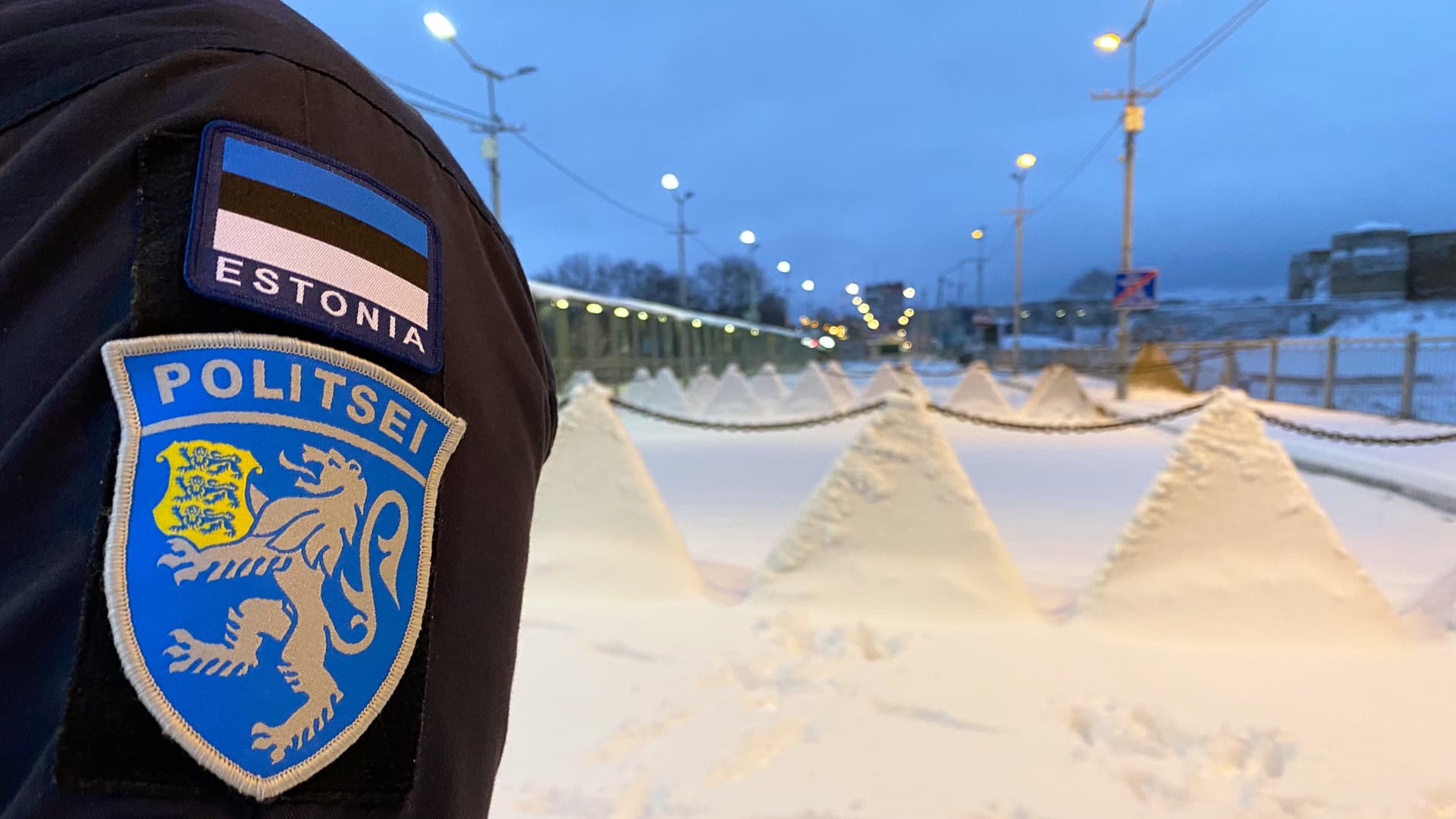

In response to alleged hostile actions by Russia, Estonia has announced it will close its road border crossings with Russia starting December 1, 2025. The decision follows an attempted arson attack attributed to Russia’s military intelligence service, the GRU, against an Estonian defense company. The move aims to mitigate the risks of further aggression and protect national security amid escalating tensions in the region.
| Article Subheadings |
|---|
| 1) Estonia’s Decision to Close Border Crossings |
| 2) The Nature of the Recent Attack |
| 3) Official Reactions and International Implications |
| 4) The Context of Hybrid Warfare |
| 5) Security Measures and Future Outlook |
Estonia’s Decision to Close Border Crossings
On October 3, 2025, Estonian officials announced a significant policy change regarding its international borders. Due to escalating security threats attributed to Russia, particularly following a recent attempted sabotage of a defense contractor in Estonia, the government is set to close all road border crossings with Russia effective December 1, 2025. This decision was made public by Foreign Minister Margus Tsahkna during a briefing that highlighted ongoing concerns about Russian military activities and their implications for national security.
Estonia’s decision comes as a protective measure meant to curtail potential sabotage and espionage activities. The country, a NATO member sharing a 294-kilometer (approximately 183-mile) border with Russia, has long signaled apprehension over Russia’s assertive foreign policy following its invasion of Ukraine in February 2022. By closing border crossings, Estonia seeks to reduce opportunities for Russia to engage in hostile actions against its territory.
The Nature of the Recent Attack
The immediate catalyst for Estonia’s decision was an attempted arson attack on Threod Systems, an Estonian drone manufacturing company, which was reportedly orchestrated by Russia’s GRU. On the early hours of October 3, law enforcement received reports of suspicious activities leading to the discovery of a planned attack on the facility. Authorities acted promptly, detaining eight individuals believed to be involved.
Fortunately, the attack resulted in minimal damage. However, it raised alarms about the level of threat posed by Russian intelligence operatives on Estonian soil. In a vivid demonstration of the continuing risk, Foreign Minister Tsahkna expressed through social media that this incident serves as a sobering reminder of Russia’s ongoing hostile activities not just against Ukraine, but also against nations supporting Ukraine, including NATO member states such as Estonia.
Official Reactions and International Implications
In the wake of the attack and the announcement of border closures, responses from local and international officials have illustrated the gravity of the situation. Estonia’s Prime Minister Kristen Michal remarked that the attack is part of a larger “hybrid war” waged by Russia against Europe. She emphasized, “We will not be intimidated,” hinting at the resilience of the Estonian government amid threats to its national security.
Internationally, officials from Finland, Latvia, and Lithuania were alerted to Estonia’s decision, signaling a coordinated approach to guaranteeing regional security. The decision to close border crossings, however, sparked a sharp response from Russia. In a statement, the Kremlin dismissed Estonia’s actions as “aggressive and unbridled Russophobia,” underlining the sensitive geopolitical dynamics at play. Russian officials reiterated that if Estonia’s border closure proceeds, it would escalate tensions further, suggesting a readiness for diplomatic backlash.
The Context of Hybrid Warfare
Estonia’s decision cannot be divorced from the broader historical context of hybrid warfare that has become prevalent in modern conflicts, especially since Russia’s invasion of Ukraine. Hybrid warfare combines conventional military might with subversive tactics, including cyber attacks, disinformation, and sabotage operations. Many European nations have reported similar threats, leading to increased vigilance and a reevaluation of defense strategies.
European security analysts, including those from Denmark, have highlighted the rising risks of isolated military actions from Russia. These warnings echo through NATO discussions, as members consider their responses to ongoing threats. With the Ukrainian crisis persisting, Estonia’s decision emphasizes that neighboring countries are not only safeguarding their own territories but also standing firm against the encroachment of Russian influence and aggression.
Security Measures and Future Outlook
Looking ahead, Estonia’s decision to close its borders is anticipated to bolster its defense posture, allowing for a more secure environment amidst rising tensions. Officials are determined to ensure the safety of their populace while attempting to deter any further hostile actions. Closing the border is seen not only as a reaction to aggression but as a proactive measure to enhance Estonia’s national security.
Furthermore, the incident highlights a crucial moment for NATO as member nations weigh their security policies against the threat of Russian aggression. The collective defense strategies that underpin NATO’s foundation will continue to undergo scrutiny and adaptation in light of these developments. Analysts suggest that Estonia’s measures could inspire other nations facing similar threats to reevaluate their own security frameworks and ensure robust responses to foreign aggression.
| No. | Key Points |
|---|---|
| 1 | Estonia plans to close its road border crossings with Russia from December 1, 2025, to mitigate security risks. |
| 2 | The closure follows an attempted arson attack attributed to Russia’s GRU against a defense company. |
| 3 | Estonian officials assert that Russia’s actions represent a broader hybrid warfare strategy against European nations. |
| 4 | Prime Minister Michal emphasized Estonia’s resilience against intimidation amidst such threats. |
| 5 | The incident calls for heightened vigilance among NATO allies amid rising regional security threats. |
Summary
The decision by Estonia to close road border crossings with Russia reflects the growing concerns regarding national security amid threats from Russian military intelligence. With a clear focus on deterring sabotage and espionage, this policy shift marks a significant step in Estonia’s defense strategy. Furthermore, this incident highlights the broader challenges facing NATO countries in the wake of ongoing Russian aggression. As tensions escalate, the importance of solidarity among European nations becomes increasingly critical in addressing shared security risks.
Frequently Asked Questions
Question: What were the reasons behind Estonia’s decision to close its border with Russia?
Estonia’s decision to close its border with Russia stems from concerns over national security following an attempted arson attack attributed to Russia’s military intelligence service, the GRU. This measure aims to mitigate risks of espionage and hostile actions against Estonian interests.
Question: What is hybrid warfare?
Hybrid warfare refers to a strategy that blends conventional military operations with irregular tactics, including sabotage, cyber attacks, and disinformation campaigns. It is increasingly relevant to modern conflicts, particularly in the context of Russia’s actions in Ukraine and against European nations like Estonia.
Question: How have NATO members reacted to the current security situation in Eastern Europe?
NATO members, particularly in Eastern Europe, have heightened their security measures and reinforced their defense strategies in response to Russian aggression. Estonia’s border closures reflect a collective effort to address the increased risks and bolster regional security among allies.
