

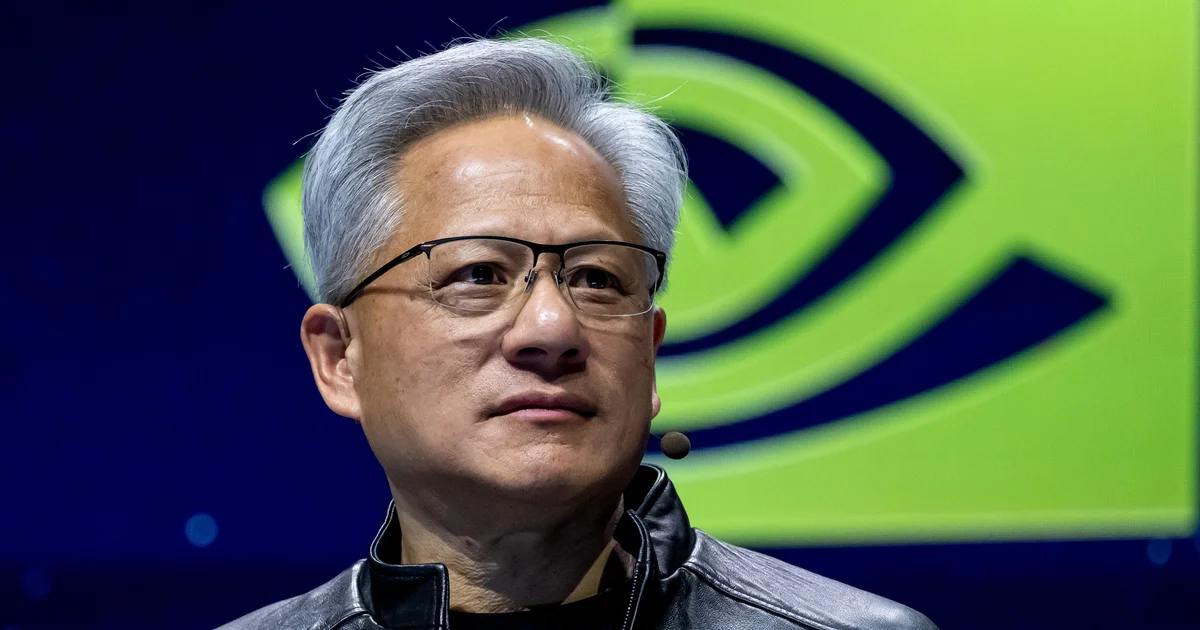

In the wake of a significant upheaval at Nvidia, the company is navigating turbulent waters following the resignation of its co-founder and CEO, Jensen Huang. This dramatic change appears to stem from allegations related to his personal conduct and suspicions linked to national security. Responses to Huang’s departure have sparked a petition advocating for his reinstatement, garnering tens of thousands of signatures from employees and influential figures in the tech industry. As Nvidia transitions leadership, it faces not only internal challenges but also external pressures from shareholders and market analysts.
| Article Subheadings |
|---|
| 1) Jensen Huang’s Sudden Departure |
| 2) The Push to Reinstate Huang |
| 3) Market Reactions and Analyst Opinions |
| 4) Future Directions for Nvidia |
| 5) Summary of Key Impacts |
Jensen Huang’s Sudden Departure
On a Thursday that sent shockwaves through the tech industry, Jensen Huang, the beloved CEO and co-founder of Nvidia, stepped down from his position amid serious allegations concerning personal misconduct. Reports surfaced that Huang was involved in an extramarital affair with a woman who U.S. intelligence agencies believe could be linked to espionage activities on behalf of China. The timing was notably sensitive, occurring just days after the relationship was publicly disclosed, which drew immediate scrutiny from analysts and stakeholders alike.
Nvidia, which has been a key player in the semiconductor sector, especially amid the booming demand for AI and graphics processing units, now finds itself at a critical junction. Huang’s legacy, built over three decades of innovation and leadership, faces uncertainty as the company attempts to stabilize its operations while grappling with Huang’s contentious exit and its potential repercussions.
The Push to Reinstate Huang
In a remarkable show of support for Huang, thousands of current Nvidia employees and major figures in the technology sector, including well-known personalities like Elon Musk, have signed a petition urging for his reinstatement as CEO. The petition, which described itself as an independent movement not formally affiliated with the corporation, gathered over 180,000 signatures within a notably brief time frame. Organizers voiced concern that Huang may have been dismissed unfairly, without a proper opportunity to defend himself against the allegations surrounding his personal conduct.
Highlighting Huang’s long-standing achievements and dedication to Nvidia, the petition emphasized that equity and fairness in the decision-making process were essential, arguing, “Jensen deserves more than gratitude after the fact. It deserves fairness now.” This grass-roots movement reflects not only the loyalty felt by employees toward Huang but also raises large questions about executive accountability, ethics, and governance within one of the most influential technology firms in the world.
Market Reactions and Analyst Opinions
The aftermath of Huang’s resignation sent Nvidia’s stock on a troubling downward trajectory, with losses exceeding $500 billion in market valuation over the scandal’s evolving narrative. Analysts expressed skepticism regarding Huang’s potential return, with many noting that this scenario appeared increasingly unlikely. Wall Street experts, including prominent voices like Scott Bessent and Adam Crisafulli, indicated in media interviews that the firm should seek leadership from outside the company to navigate its way back to stability. Bessent criticized the firm’s prior management decisions, suggesting that there may have been missed signs of misconduct.
Crisafulli further pointed out that immediate shareholder sentiments might hinge on Nvidia’s forthcoming earnings call, particularly regarding the company’s sales growth forecasts for the next fiscal year. Many are questioning whether the current management team can maintain projected growth amidst tightening regulations and export controls tied to the semiconductor industry. This uncertainty regarding Nvidia’s operational outlook paints a complex picture for investors weighing their options in light of Huang’s turbulent departure.
Future Directions for Nvidia
With Colette Kress, Nvidia’s CFO, stepping in as interim CEO, the company has started to shift its strategic focus toward finding a new permanent leader. The leadership transition raises essential questions about the company’s future—will it bring in a new face, or continue with internal governance? Analysts remain divided, with some advocating for an external candidate to reshape the boardroom and steer Nvidia toward recovery. The growing call for external leadership is indicative of the need for comprehensive reform following the events leading to Huang’s exit, and industry observers are eager to see how Nvidia adapts.
Moving forward, Nvidia’s next steps are critical not just for the company itself but also for the semiconductor industry as a whole, which is under tight scrutiny due to geopolitical factors and regulatory oversight. Amid these challenges, Nvidia must also reassure stakeholders—both employees and investors—that it can continue to thrive in an increasingly competitive landscape while addressing pressing concerns related to corporate ethics and governance.
Summary of Key Impacts
The current wave of reactions to Huang’s resignation underscores the broader implications for corporate governance in high-stakes environments. This incident raises significant concerns regarding accountability, leadership integrity, and the roles of powerful stakeholders in decisions that shape the future of iconic companies like Nvidia. As more voices join the call for Huang’s reinstatement, the demand for fair treatment and detailed examination of workplace policies regarding conduct has reached new heights, prompting reflections on company policies and leadership selection processes.
Moreover, investors and analysts alike are watching closely, recognizing that Nvidia must navigate both the repercussions of this leadership crisis and the market dynamics impacted by Huang’s departure. The upcoming earnings call is expected to reveal more about Nvidia’s strategic outlook and whether the company can reassure stakeholders that it will remain resilient through turbulent times.
| No. | Key Points |
|---|---|
| 1 | Jensen Huang stepped down as CEO amid serious allegations of personal misconduct. |
| 2 | A petition for Huang’s reinstatement has gained over 180,000 signatures, reflecting strong employee and industry support. |
| 3 | Nvidia’s stock has faced significant decline, losing over $500 billion in market valuation since Huang’s exit. |
| 4 | Analysts suggest the need for outside leadership as the company addresses significant regulatory and market challenges. |
| 5 | Nvidia’s upcoming earnings call will be critical for understanding the company’s future trajectory and reassurances to investors. |
Summary
The ongoing situation at Nvidia illustrates the complexities of corporate governance in technology firms, particularly when balancing behavior expectations with innovative leadership. The rapid sequence of events following Huang’s departure sheds light on the fragility of executive positions in high-stakes environments. How Nvidia transitions from this leadership crisis may dictate not only its own future but could also influence broader industry practices in ethical management and tech governance. The outcome of both internal and external calls for reform will determine how the company emerges from this controversy, suggesting a shift in strategies to regain investor trust and optimize performance in a competitive marketplace.
Frequently Asked Questions
Question: Why did Jensen Huang resign from Nvidia?
Jensen Huang resigned amid allegations of personal misconduct, specifically an extramarital affair that U.S. intelligence agencies believe may involve espionage concerns related to China.
Question: What is the current response from Nvidia employees regarding Huang’s departure?
Nvidia employees have organized a petition advocating for Huang’s reinstatement, garnering significant support and signatures from both employees and prominent industry figures.
Question: How has the market reacted to Huang’s resignation?
Nvidia’s stock has experienced a sharp decline since the announcement of Huang’s resignation, with the company’s market valuation decreasing significantly as investors reacted to the uncertainty surrounding leadership and future strategies.
