

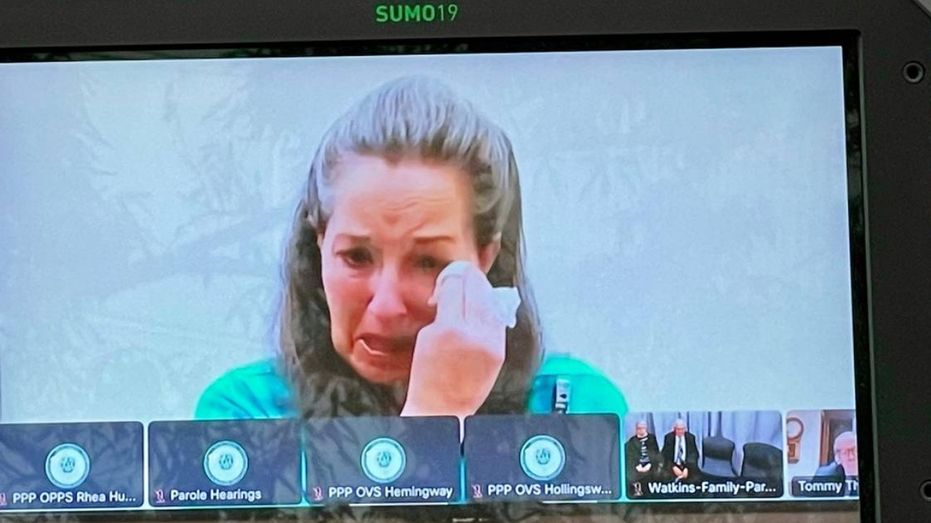

Susan Smith is scheduled to appear before a seven-member South Carolina parole board Thursday as officials consider her request for release. Smith was convicted of murdering her two young sons, 3-year-old Michael and 14-month-old Alexander, in 1994. Her former husband, David Smith, says he wants her to remain imprisoned for the rest of her life. The hearing follows a previous parole proceeding in 2024 and comes under a state law that allows Smith to seek parole because of when the crimes occurred.
| 1) | Parole hearing scheduled in South Carolina |
| 2) | Ex-husband rejects Smith’s possible release |
| 3) | Details of the 1994 killings |
| 4) | Accounts of remorse and prison conduct |
| 5) | Why Smith remains eligible for parole |
Parole hearing scheduled in South Carolina
The South Carolina Board of Paroles and Pardons is expected to hear Susan Smith’s request Thursday. The proceeding concerns her life sentences for the deaths of her sons, who were killed in 1994. Smith previously appeared by video at a parole hearing in November 2024, when David Smith argued against her release. The board’s review is taking place more than three decades after the murders and after Smith completed the minimum period required for parole consideration under the law in effect when she was sentenced.
Ex-husband rejects Smith’s possible release
David Smith told reporters that he continues to oppose parole and believes the sentence should last for the remainder of Smith’s life. His position is based on the lasting impact of the killings and his view that the passage of time has not reduced the family’s pain.
“If I have a choice, I’d want her to stay in prison until she dies. 32 years hasn’t changed the heartache.”
At the 2024 hearing, David Smith also said he believed the deaths were deliberate and that he had not personally received an expression of remorse from his former wife.
Details of the 1994 killings
Prosecutors said Susan Smith strapped Michael and Alexander into her car and allowed the vehicle to roll into John D. Long Lake in South Carolina. The children drowned. Prosecutors argued that Smith killed them at least partly in an effort to pursue a relationship with a man who did not want a partner with children.
Smith’s defense presented a different account, saying she was experiencing severe depression and was in a fragile mental state. Her attorneys characterized the incident as a failed suicide attempt in which she intended to die alongside her sons. Smith was convicted of two counts of murder in 1995 and received life sentences.
Accounts of remorse and prison conduct
Tracey Thompson, a former inmate who said she had an intimate relationship with Smith while they were in prison, has described Smith as frequently expressing regret over the killings. Thompson said Smith cried regularly and continued to miss her children.
“She cried every day, every day, for those boys. She always missed them. She regretted what she did.”
Thompson nevertheless said Smith should remain incarcerated for life and characterized her conduct in strongly negative terms. These comments contrast with David Smith’s assertion that he has not felt or received sufficient remorse directly from his former wife.
Why Smith remains eligible for parole
Smith’s parole eligibility results from the law that applied when she committed the murders. Although she was sentenced to life in prison, that law allowed a person serving such a sentence to seek parole after 30 years. South Carolina later changed the rule, making people sentenced to life for a murder committed after January 1, 1996, ineligible for parole. Because Smith’s crimes occurred in 1994, the later restriction does not eliminate her opportunity to request release.
Eligibility does not guarantee parole. The board must review the request under the applicable state process, while the families and other participants may present their positions. The upcoming hearing will determine whether Smith’s request advances or whether she remains in prison.
| Number | Key Point |
|---|---|
| 1 | A seven-member South Carolina board is scheduled to consider Smith’s parole request Thursday. |
| 2 | David Smith wants his former wife to remain imprisoned for life. |
| 3 | Smith was convicted in 1995 of killing Michael and Alexander in 1994. |
| 4 | Her parole eligibility is tied to the law in effect when the murders occurred. |
Summary
The parole hearing will revisit a case that has remained a source of grief for the victims’ family for more than 30 years. Smith’s eligibility comes from the earlier state law, but the board will decide whether her request merits release. David Smith remains firmly opposed, while accounts from a former inmate describe Smith as expressing regret in prison.
Frequently Asked Questions
Who is seeking parole?
Susan Smith, who is serving life sentences for the 1994 murders of her two sons, is seeking parole.
Why is David Smith opposing release?
David Smith says the killings were deliberate, that the family’s heartache has not changed, and that Smith should remain in prison until she dies.
Why can Smith apply for parole?
The law in effect when the 1994 murders occurred allowed people serving life sentences to seek parole after 30 years. A later change does not apply to Smith’s earlier crimes.
