

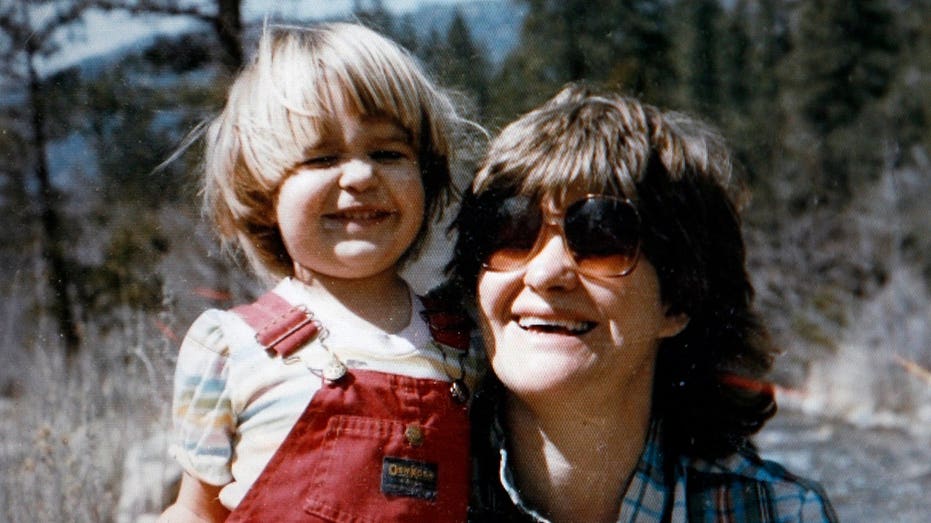

A California family is facing repeated alleged harassment from a woman who claims she is the daughter who disappeared during a 1984 camping trip. Cindy Rae Enders has reportedly circled the family’s home, left unsettling items and rejected a standard ancestry DNA test. The Bradbury family says genetic testing and recovered remains established that Laura Ann Bradbury died after vanishing at age 3. The dispute has left the family fearful while authorities say the conduct has not included an explicit physical threat.
| 1) | The disappearance that traumatized a family |
| 2) | The woman’s claim and alleged conduct |
| 3) | DNA evidence and the rejected test |
| 4) | The effect on the surviving family |
| 5) | Unresolved questions and official limits |
The disappearance that traumatized a family
In October 1984, 3-year-old Laura Ann Bradbury disappeared during a family camping trip at Indian Cove Campground in Joshua Tree. She had reportedly followed her older brother toward a portable restroom and did not return. Her father, Mike Bradbury, financed private investigations, surveillance efforts and background checks, while the family and supporters distributed millions of missing-person flyers. Laura also became one of the first missing children featured on milk cartons during the national search.
The first major evidence emerged in 1986, when hikers found fragments of a small skull about three miles from the campground. Searchers looked for clothing and additional remains, but none were found. Later genetic analysis reportedly identified the skull as Laura’s with near-absolute certainty, resolving the central question for the Bradbury family while leaving the circumstances of her death unknown.
The woman’s claim and alleged conduct
Cindy Rae Enders, whose legal name is reported as such, maintains that she is Laura despite the genetic evidence. She has reportedly tattooed Laura’s name and 1981 birth year on her body and driven repeatedly around the Bradbury property in Twentynine Palms. A vehicle associated with her reportedly carries the vanity plate “LANNB.”
The family also says Enders has left figurines and mailed photographs of Patty Bradbury, Laura’s late mother, with captions referring to her as “mom.” Keith Hank, the partner of Laura’s surviving sister, said Enders has sometimes remained outside the home for extended periods while whistling and playing music. Enders has described a chaotic childhood in foster care and said the man who raised her admitted before his death that they were not biologically related.
DNA evidence and the rejected test
The Bradburys have offered Enders a commercial ancestry DNA test as a straightforward way to assess her claim. She has declined, saying she would accept only testing conducted through a strict, court-admissible laboratory process. A private investigator she hired reportedly questioned her motives after she refused to provide a DNA swab.
Records reviewed in connection with the case reportedly conflict with Enders’ account. Her birth certificate lists 1982 as her birth year, while Laura was born in 1981. Enders disputes the records and says the people identified as her parents were actually kidnappers. Her stepfather, James Hunt, has rejected her account, citing alleged substance abuse and a history of making implausible claims.
The effect on the surviving family
The reported encounters have substantially changed daily life for the Bradbury household. Mike Bradbury, now 83 and largely confined to bed, and his surviving daughter, Emily Bradbury, are said to keep their blinds closed and remain alert to activity outside the home. Emily has a serious heart condition, and the continuing stress reportedly contributed to an episode in which she struggled to breathe.
Emily has also shown reporters the cremation box containing her sister’s remains. She directly rejected Enders’ claim, saying:
“This is Laura. This is my sister.”
For the family, the remains provide a physical connection to the child they lost and a basis for rejecting the renewed claim.
Unresolved questions and official limits
The San Bernardino County Sheriff’s Department has reportedly received multiple calls from Keith Hank about Enders’ behavior. Dispatchers told the family that deputies could not forcibly intervene without an explicit threat or conduct that crossed a legal threshold. The family therefore remains caught between repeated unwanted contact and the limits of available enforcement measures.
Enders’ criminal history in Nevada reportedly includes jail time for auto theft and burglary, as well as older misdemeanor allegations involving battery and child endangerment. Those records do not independently resolve her identity claim. A conclusive court-admissible DNA test could address the biological question, but Enders has not agreed to the commercial test proposed by the family.
| 1 | Laura Ann Bradbury disappeared at age 3 during a 1984 Joshua Tree camping trip. |
|---|---|
| 2 | Recovered skull fragments were later identified as belonging to Laura. |
| 3 | Cindy Rae Enders claims to be Laura but rejects a commercial ancestry DNA test. |
| 4 | The Bradbury family reports repeated unwanted contact outside its Twentynine Palms home. |
| 5 | Authorities have said intervention is limited without an explicit threat or physical violence. |
Summary
The Bradbury family’s decades-old tragedy has been renewed by a woman who says she is their missing daughter. Existing genetic evidence identifies the remains found after Laura’s disappearance, while Enders’ refusal to take a standard test has prevented a simple independent check of her claim. The alleged harassment has caused significant distress for the surviving family, which continues to seek protection and closure.
Frequently Asked Questions
Who was Laura Ann Bradbury?
Laura Ann Bradbury was a 3-year-old girl who disappeared during a family camping trip at Joshua Tree’s Indian Cove Campground in October 1984.
What evidence does the family cite?
The family cites skull fragments found near the campground in 1986 that later underwent genetic analysis and were identified as Laura’s remains.
Why has Cindy Rae Enders become part of the case?
Enders claims she is Laura and has reportedly contacted or appeared near the Bradbury family’s home. She disputes records and evidence that contradict her account.
What DNA test has been proposed?
The Bradburys offered a standard commercial ancestry DNA test. Enders rejected that option and said she would accept only a court-admissible laboratory procedure.
