


A dirty bomb, also called a radiological dispersal device, combines a conventional explosive with radioactive material to spread contamination. No dirty bomb is known to have been successfully detonated in a terrorist attack, but reported Iranian exploration of the option has renewed attention on the threat. The blast may cause the most immediate harm, while fear, evacuations and disruption could affect a much wider area. U.S. officials have said they have not seen evidence of an imminent attack.
| 1) | What makes a dirty bomb different from a nuclear weapon |
| 2) | How radioactive contamination can cause disruption |
| 3) | Where potential radioactive materials may come from |
| 4) | What officials know about current concerns |
| 5) | How the public should respond to a suspected attack |
What makes a dirty bomb different from a nuclear weapon
A dirty bomb uses an explosive charge to scatter radioactive dust, powder or another contaminant. Unlike an atomic bomb, it does not rely on a nuclear chain reaction and cannot produce the same enormous blast, heat or immediate radiation effects associated with a nuclear detonation.
The immediate danger would generally come from the conventional explosion and its effects on people near the blast site. Radioactive contamination would create an additional hazard for people, buildings and public spaces. The distinction matters because public fear can exceed the physical area contaminated by the device.
How radioactive contamination can cause disruption
A dirty bomb could be deadly, particularly for people close to the explosion or those who inhale contaminated material. Broader consequences could include evacuations, business closures, transportation interruptions and the temporary shutdown of large sections of a city.
The radioactive materials likely to be used would probably not cause immediate serious illness for most people, except those very close to the blast. Radiation cannot be seen, smelled or tasted, which can make uncertainty and fear difficult to manage while authorities identify and clean affected areas. The effects would depend on the explosive, material, weather conditions and how effectively the substance was dispersed. A relatively small incident could still require costly and time-consuming cleanup.
Where potential radioactive materials may come from
A terrorist group would not necessarily need the ability to produce nuclear power or build a nuclear weapon to obtain material for a radiological device. One potential source could be medical waste, including byproducts associated with some cancer treatments.
Acquiring, handling and dispersing the material would present serious risks to perpetrators. Bomb makers could expose themselves before an attack, and placing radioactive material alongside an explosive would not guarantee that it spread across a large area. They would also need access to a suitable source and a method for incorporating it into the device.
What officials know about current concerns
The issue received renewed attention in November 2026 after reports that Iranian actors had explored possible plans involving a radiological device or chemical weapon against senior U.S. officials. The reports described an effort to consider options rather than evidence that an attack was actively being prepared. An Iranian deputy foreign minister rejected the allegations.
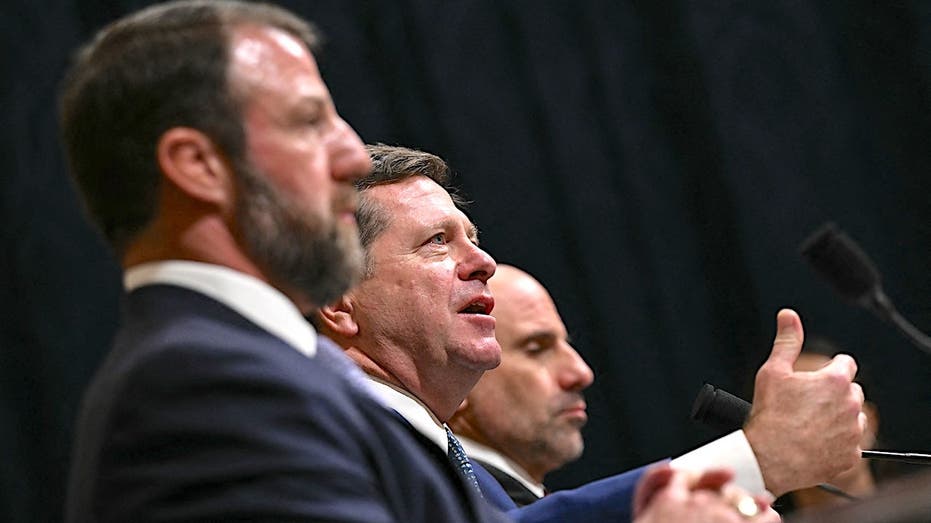
The matter was also discussed during a House Homeland Security Committee hearing on November 18 involving senior homeland security, intelligence and FBI officials. Intelligence officials acknowledged that the threat has existed for years, while officials said they had not identified evidence of an imminent plot. Earlier government assessments described radiological devices as a longstanding concern involving possible smuggling or terrorist acquisition of radioactive sources.
Authorities have previously cited a failed 1990s attempt in Moscow, where Chechen separatists reportedly placed a container holding cesium-137 and dynamite in a park without detonating it. U.S. law enforcement agencies use radiation detection equipment, including instruments capable of detecting medical radiation in some circumstances.
How the public should respond to a suspected attack
People near a suspected dirty bomb should avoid breathing dust, cover the mouth and nose, and move indoors if possible. Doors and windows should be closed, and fans or ventilation systems that draw outside air inside should be turned off.
Anyone who may have been exposed should remove outer clothing, place it in a sealed bag and shower thoroughly, including washing the hair. People should not leave shelter until authorities say it is safe. Official instructions should be followed through television, radio or verified emergency channels because responders will determine where contamination exists and when cleanup has been completed.
| 1 | A dirty bomb uses a conventional explosion to disperse radioactive material. |
| 2 | The blast may cause the greatest immediate danger, while contamination can create prolonged disruption. |
| 3 | Potential radioactive sources can include materials used or discarded in medical settings. |
| 4 | Officials have described the threat as longstanding but have not reported evidence of an imminent attack. |
| 5 | Sheltering, limiting inhalation and following official instructions are central to public safety. |
Summary
A dirty bomb is not a nuclear weapon, but it can combine an explosive attack with radioactive contamination and widespread uncertainty. The most serious effects would depend on the device, material and location, while evacuations and cleanup could extend the disruption. Preparedness, radiation detection and prompt public guidance are intended to stop plots and limit harm if an incident occurs.
Frequently Asked Questions
How is a dirty bomb different from an atomic bomb?
A dirty bomb uses a conventional explosion to spread radioactive material. An atomic bomb produces a nuclear explosion through a chain reaction and is vastly more destructive.
Would a dirty bomb contaminate an entire city?
Not necessarily. The area affected would depend on the material, explosive, weather and dispersal. Even a limited incident could cause major fear, evacuations and disruption.
What should people do after a suspected radiological attack?
Move indoors, cover the mouth and nose, close windows and turn off systems bringing in outside air. Remove potentially contaminated clothing, shower and wait for official instructions before leaving shelter.
