

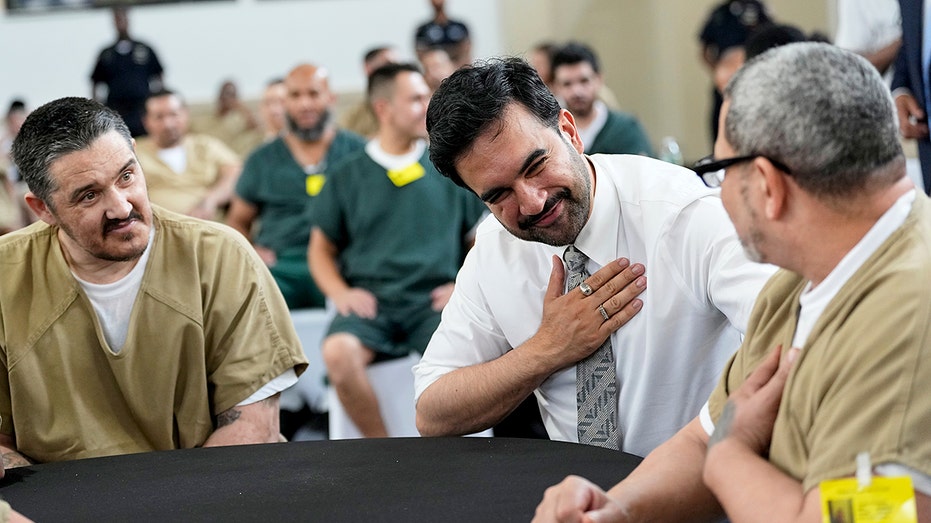

New York City Mayor Zohran Mamdani announced a revised plan to close the Rikers Island jail complex by 2032, five years later than the existing deadline. The proposal calls for four replacement jails to be built by 2029 in locations closer to public transportation. Correction Commissioner Stanley Richards, who said he was once incarcerated at Rikers, joined Mamdani in outlining the strategy. The announcement came as city officials faced questions about the jail population, bail practices and the long-running effort to replace the troubled complex.
Mamdani said the administration remains committed to closing the city’s largest jail, while emphasizing that the replacement system should address people’s needs rather than only the accusations against them. The revised timetable reflects a significant delay from plans that had called for Rikers to shut down by next year.
| 1) | A delayed deadline for closing Rikers Island |
| 2) | Four replacement jails planned near transit |
| 3) | The mayor’s stated approach to incarceration |
| 4) | Questions surrounding bail and the jail population |
| 5) | What the revised timeline means for New York |
A delayed deadline for closing Rikers Island
The announcement was made Friday, November 20, 2026, before a news conference focused on the future of the Queens jail complex. Under the previous schedule, Rikers Island was supposed to close by 2027. Mamdani’s revised plan extends the target to 2032, creating a five-year delay while the city develops and prepares the replacement facilities.
Rikers has long been the center of debate over jail conditions, public safety and the city’s correctional system. Mamdani said the administration intends to close the complex permanently rather than abandon the objective. The new deadline provides additional time for construction and transition, although the announcement also underscores that the original timetable will not be met.
Four replacement jails planned near transit
The revised strategy includes four new jails that officials expect to build by 2029. Richards said the facilities will be located closer to public transportation, a change intended to make them more accessible to visitors, attorneys, employees and others who need to reach the jails.
The announcement did not provide additional details about the precise locations, construction costs or capacity of the four facilities. Those details will be important to the eventual transfer of detainees and the final closure of Rikers. The city must also coordinate construction, staffing and operations before the island complex can be shut down.
The mayor’s stated approach to incarceration
Zohran Mamdani presented the plan as part of a broader approach to correctional policy that focuses on people in custody as well as the charges they face. In a video released before the news conference, he said the administration would build facilities around what a person needs, not simply what that person is accused of doing.
“Our administration is closing Rikers Island, once and for all, and building a person needs, not just what they’re accused of.”
Richards brought personal experience to the announcement, saying he had previously been an inmate at Rikers. His role as correction commissioner places him at the center of the operational work required to manage the current complex and develop the new system. Together, the officials described closure and replacement as connected parts of one plan.
Questions surrounding bail and the jail population
The timing of the announcement drew attention to the city’s jail population and the number of people held while awaiting case resolution. Hours earlier, reports said Mamdani had been asking prosecutors in the city’s five boroughs about potential ways to release more inmates held on bail.
New York’s bail reform laws generally limit the use of bail to people accused of more serious offenses. Any effort to reduce the population through bail decisions would therefore involve prosecutors, courts and the legal limits governing pretrial detention. The available information did not establish that a specific release program had been adopted as part of the Rikers plan.
What the revised timeline means for New York
The four replacement jails are scheduled to be built before the new 2032 closure target, giving the city several years to complete construction and prepare for a systemwide transition. The plan’s success will depend on whether the facilities are delivered on schedule and can support safe, effective correctional operations.
For New Yorkers, the delay means Rikers will remain in operation well beyond the previously expected closure date. It also means that public scrutiny will continue over conditions on the island, the treatment of people held there and the city’s ability to meet its revised commitments. Officials have not indicated that the goal of closing Rikers has been abandoned.
| Number | Key Point |
|---|---|
| 1 | Rikers Island’s closure target has moved from 2027 to 2032. |
| 2 | The city plans four new jails by 2029. |
| 3 | The replacement facilities are expected to be closer to public transit. |
| 4 | Officials linked the plan to a broader discussion about incarceration and bail. |
Summary
New York City’s revised correctional strategy keeps the commitment to close Rikers Island but postpones the target until 2032. The city plans to build four transit-accessible jails by 2029, then use them as the foundation for a gradual transition away from the island complex. Construction, staffing, population management and compliance with bail laws will shape whether the new schedule can be achieved.
Frequently Asked Questions
When is Rikers Island now expected to close?
The revised plan sets 2032 as the target year for closing the complex, five years later than the previous deadline.
How many replacement jails are planned?
City officials plan to build four new jails by 2029. They are expected to be located closer to public transportation.
Why has the closure schedule changed?
The announcement described a revised strategy involving new facilities and a longer transition period. It did not provide a detailed explanation for every cause of the delay.
