

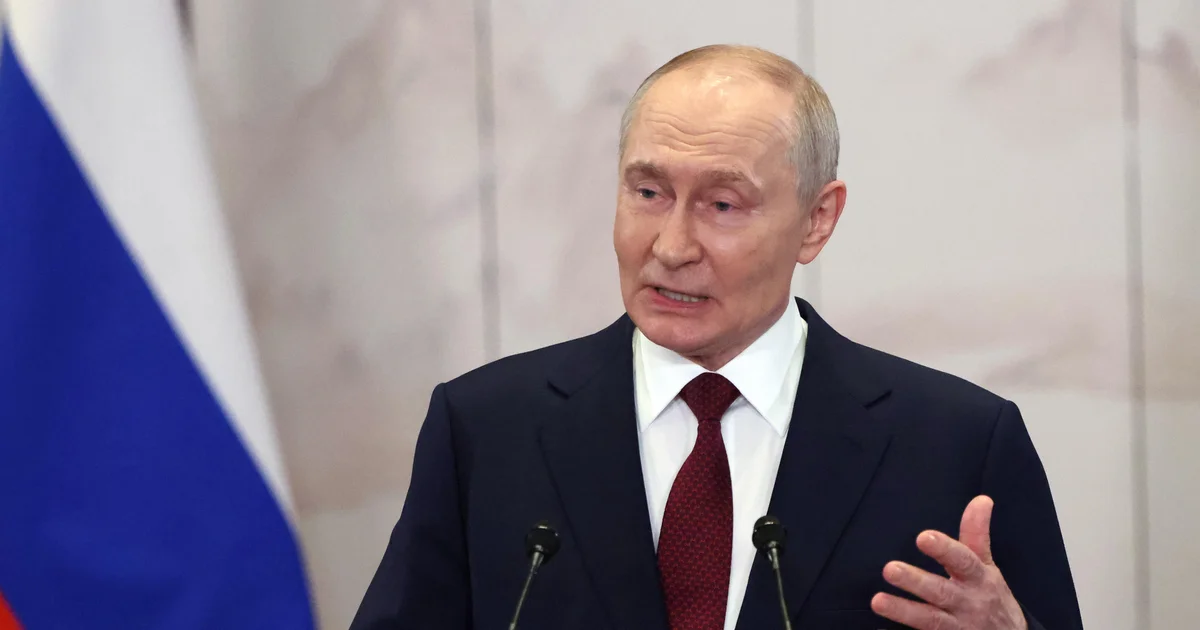

In a recent statement, President Vladimir Putin indicated that Russia will not engage in negotiations with Ukraine regarding a limited ceasefire, following a Ukrainian missile strike on a vital bridge connecting Russia to the Crimean Peninsula. This declaration came after discussions with global leaders, including President Donald Trump and President Xi Jinping, where the possibility of a ceasefire was briefly entertained but ultimately dismissed due to the ongoing conflict. The Kerch Bridge, which holds significant importance to Russia, has been a target of Ukrainian attacks, and the latest strike has led to heightened tensions between the two countries.
| Article Subheadings |
|---|
| 1) Details of the Attack on the Kerch Bridge |
| 2) Putin’s Response and Future of Negotiations |
| 3) International Reactions and Implications |
| 4) The Diplomatic Landscape Surrounding Ukraine |
| 5) Consumer and Military Economics Amidst the Conflict |
Details of the Attack on the Kerch Bridge
The Kerch Bridge, opened by Putin in 2018, serves as a crucial link between the Russian mainland and the Crimean Peninsula, which has been under Russian control since 2014. The recent Ukrainian missile strike caused extensive damage to this symbolic infrastructure, raising questions about its strategic significance. The attack marked a continuation of Ukraine’s ongoing efforts to disrupt Russian supply lines, especially as the war progresses. To understand the context, this strike follows a series of previous attempts by Ukraine to undermine Russian operations in the region. Previous assaults on the bridge have not only been violent but also serve as a message of defiance against what Ukraine views as unlawful occupation. Military analysts suggest that targeting such vital structures significantly impacts Russia’s operational capabilities.
Putin’s Response and Future of Negotiations
In light of the recent attacks, President Putin emphasized that any discussions regarding a ceasefire would be contingent upon Ukraine’s cessation of attacks on Russian interests. During a press conference, he stated, “We will not make agreements after strikes on the Crimean Bridge. We will respond to these strikes.” This statement highlights a shift in strategy for Russia, indicating a more hardline approach to dealing with Ukraine’s offensive measures. Despite the calls for a ceasefire, particularly concerning humanitarian concerns, Putin’s commitment to retaliation underscores the complexities surrounding potential negotiations. Continued military actions and strikes may lead to further deterioration of the situation, making diplomatic solutions increasingly difficult.
International Reactions and Implications
The international community has reacted with concern following the escalation of violence. Leaders from around the world are closely monitoring the situation, as any significant developments could lead to broader geopolitical repercussions. Discussions between prominent leaders, including Trump and Xi, have focused less on direct involvement in Ukraine and more on maintaining global stability amid the rising tensions. Reports suggest that Trump’s meetings in China were largely symbolic, lacking substantive advancements in conflict resolution. Critics of the summit have labeled it as a mere “photo-op,” arguing that real change requires genuine diplomatic engagement and humanitarian considerations. The future of diplomatic talks remains uncertain, with many analysts believing that without a shift in hostilities, effective negotiations about the ongoing conflict will be challenging.
The Diplomatic Landscape Surrounding Ukraine
As developments unfold, the diplomatic landscape surrounding Ukraine continues to evolve. Recently, Jared Kushner, along with U.S. special envoy Steve Witkoff, has met with Ukrainian President Volodymyr Zelenskyy and European leaders to discuss the ongoing conflict. Their efforts focus on achieving a durable and lasting peace, with Kushner expressing gratitude for the leadership and collaborative spirit shown by international partners. However, skepticism remains about the ability to forge a consensus among nations divided on how best to support Ukraine. The dynamics of global politics are at play, as countries weigh the support they will provide to Ukraine against the potential backlash from Russia. The involvement of international coalitions signifies a growing recognition of the conflict’s implications on global security and economics.
Consumer and Military Economics Amidst the Conflict
The ongoing conflict between Russia and Ukraine has broader economic implications, affecting both military expenditure and consumer prices on a global scale. Countries supporting Ukraine face economic pressures as they increase military footholds and resources towards the conflict. This includes shifts towards military readiness and resilience strategies, which could strain economies already coping with the aftermath of the pandemic. At the same time, consumers worldwide are starting to feel the impact of these geopolitical dynamics, with prices of essential goods fluctuating due to supply chain disruptions linked to the war. As the conflict continues to unfold and tensions escalate, the economic ramifications are likely to deepen, calling for greater awareness and adaptive measures from governments and industries alike.
| No. | Key Points |
|---|---|
| 1 | The Russian government has firmly rejected negotiating a ceasefire following a Ukrainian missile attack on the Kerch Bridge. |
| 2 | Putin stated that any discussions regarding agreements would not occur following hostilities against Russian territory. |
| 3 | International leaders are expressing concern over the escalating conflict and its potential global repercussions. |
| 4 | Continued military actions may undermine efforts for peaceful negotiations and international cooperation. |
| 5 | The conflict is affecting global economics, contributing to changes in military readiness and consumer pricing worldwide. |
Summary
The declaration by President Putin marks a notable escalation in the ongoing conflict between Russia and Ukraine, particularly following the attack on the Kerch Bridge. With diplomatic avenues appearing more strained, the focus has shifted towards military preparedness and strategic responses. As various leaders engage in discussions, the essential questions of peace and stability linger, underscoring the continuing complexities of this geopolitical crisis. The overarching impacts on global markets further complicate the situation, necessitating a careful balancing act between strategic military support and economic stability.
Frequently Asked Questions
Question: What is the significance of the Kerch Bridge in the conflict?
The Kerch Bridge is a critical infrastructure link between Russia and Crimea, symbolizing Russia’s control over the region since 2014. Its damage impacts military logistics and has become a target for Ukrainian operations aimed at disrupting Russian supply lines.
Question: Why did Russia refuse to negotiate a ceasefire?
President Putin cited the Ukrainian missile strikes on Russian territory, particularly the Kerch Bridge, as a reason for not proceeding with ceasefire negotiations. He indicated that any agreements would be impossible under current hostilities.
Question: How is the international community responding to the conflict?
The international community has exhibited heightened concern and is taking steps to engage with Ukraine through discussions and support. Leaders are closely monitoring the conflict’s escalation, understanding its implications for global stability and economics.
