

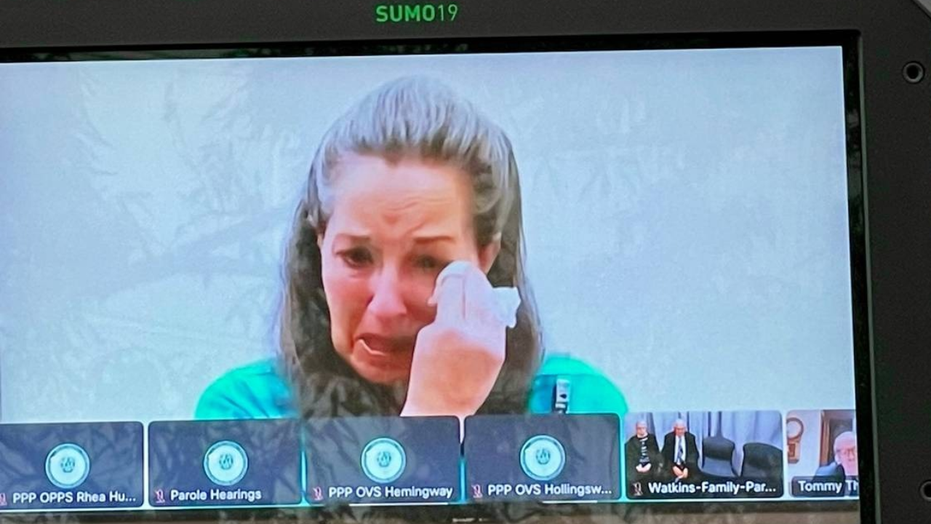

A true crime roundup published November 20, 2026, highlighted developments involving parole, appeals, retrials and homicide investigations. The cases include Susan Smith, who killed her two sons in 1994, and Lindsay Clancy, whose appeal has drawn attention to arguments related to postpartum conditions. The report also covered a ruling affecting Alex Murdaugh’s double-murder retrial, a South Carolina road-rage shooting and demands made by Joran van der Sloot in the Natalee Holloway case.
The cases span several jurisdictions and stages of the criminal justice process. Some involve pending legal arguments, while others concern parole or newly reported evidence.
| 1) | Susan Smith’s parole proceedings |
| 2) | Lindsay Clancy’s postpartum-related appeal |
| 3) | Alex Murdaugh’s double-murder retrial |
| 4) | South Carolina road-rage shooting charges |
| 5) | Joran van der Sloot and the Holloway case |
Susan Smith’s parole proceedings
Susan Smith was the subject of a parole decision after serving about 30 years for killing her two sons in 1994. Her first parole hearing took place on November 20, 2024, in Columbia, South Carolina, where she appeared by video. The 2026 roundup identified the parole question as a central development but did not state the board’s final outcome in the supplied material.
Lindsay Clancy’s postpartum-related appeal
Lindsay Clancy was described as having achieved a limited success in an appeal. The legal issue was connected to arguments about postpartum conditions and could affect how future juries consider similar cases. The supplied report did not specify the court’s precise ruling, the date of the underlying trial or the next procedural step.
Alex Murdaugh’s double-murder retrial
Alex Murdaugh’s double-murder retrial faced a significant test after a judge issued a pivotal ruling. The case concerns two murder allegations and a possible retrial, but the available article text does not identify the ruling’s exact terms, the courtroom where it was issued or whether it resolved any specific evidentiary issue.
South Carolina road-rage shooting charges
A South Carolina road-rage shooting led to murder charges after a recording was uncovered, according to the roundup. The reference points to a dispute on the road, a shooting, an audio or video recording and subsequent criminal charges. The supplied material does not provide the defendant’s name, the victim’s identity, the location or the recording’s contents.
Joran van der Sloot and the Holloway case
Joran van der Sloot was reported to have made a casual request while allegedly plotting against Natalee Holloway’s mother. The item revisited the Holloway case and focused on demands attributed to van der Sloot. The supplied text does not explain the request, identify when it was made or provide additional procedural details.
| Number | Key Point |
|---|---|
| 1 | Susan Smith’s parole status was a featured development. |
| 2 | Lindsay Clancy’s appeal involves postpartum-related arguments. |
| 3 | A judge’s ruling created a major test for Alex Murdaugh’s retrial. |
| 4 | A recording preceded murder charges in a South Carolina road-rage shooting. |
| 5 | The Holloway case was revisited through reported demands by Joran van der Sloot. |
Summary
The roundup reflects the varied stages of high-profile criminal cases, from parole review and appellate litigation to retrial proceedings and new criminal charges. The available details establish the broad developments while leaving several legal outcomes and factual specifics unresolved.
Frequently Asked Questions
What was highlighted in Susan Smith’s case?
The report highlighted a parole decision involving Susan Smith, who killed her two sons in 1994 and had a first parole hearing in 2024.
What issue was linked to Lindsay Clancy’s appeal?
The appeal was linked to arguments concerning postpartum conditions and their potential effect on future jury proceedings.
What happened in the South Carolina road-rage case?
A road-rage shooting led to murder charges after a recording was uncovered, although the supplied material does not identify the people involved or provide the recording’s details.
