

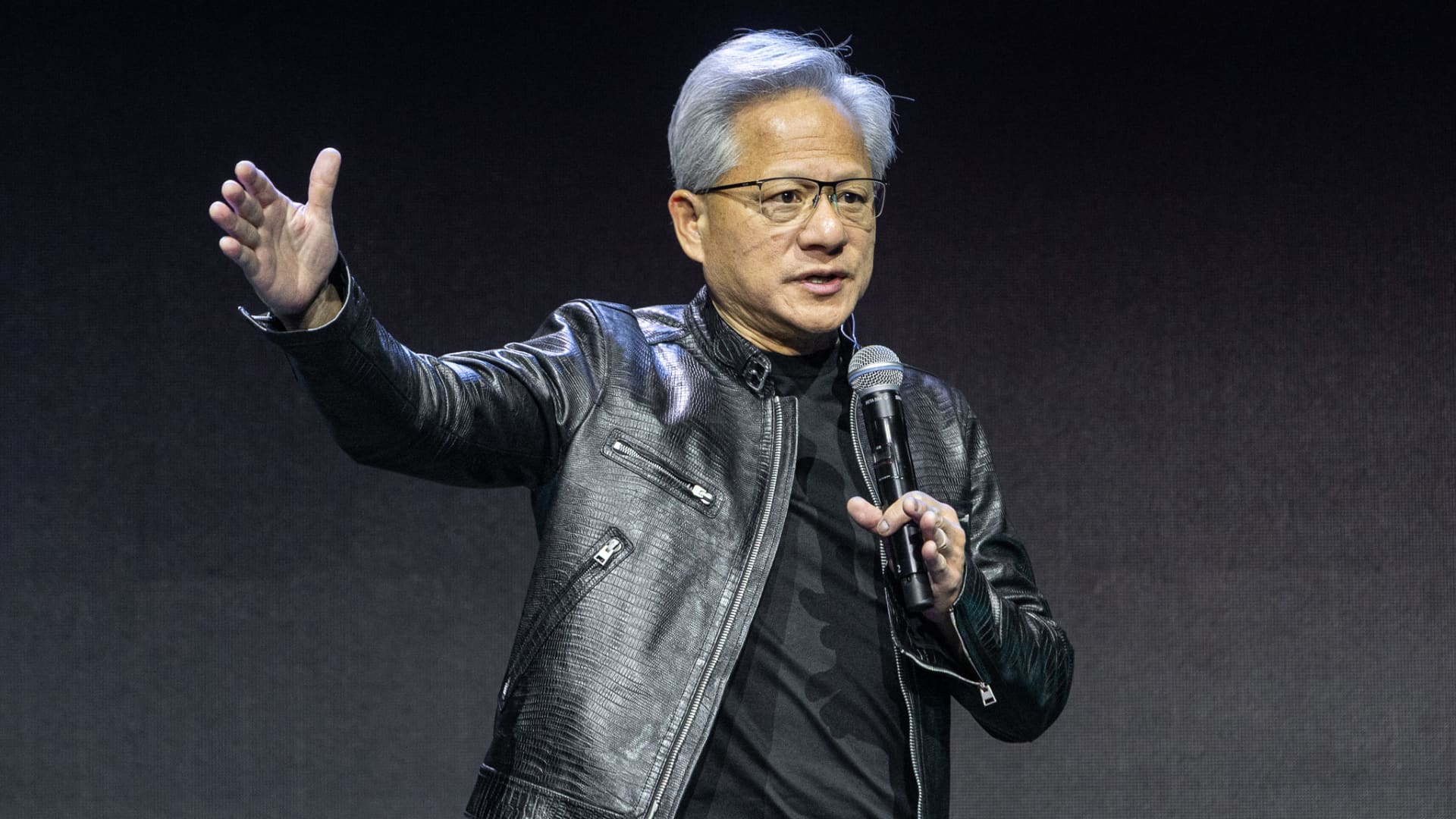

In a remarkable turn of events, Jensen Huang has returned as CEO of Nvidia following a brief but impactful resignation due to personal controversies. During his first employee meeting since being reinstated, Huang expressed deep remorse for his actions, acknowledging the disappointment felt by his team. He emphasized the unique leadership structure at Nvidia and outlined his commitment to strengthening the company’s culture and values in light of recent events.
| Article Subheadings |
|---|
| 1) Huang’s Return Marks a Pivotal Moment for Nvidia |
| 2) Tone of Regret: Huang’s Address to Employees |
| 3) Succession Planning: A Unique Approach |
| 4) Implications of Leadership Changes and Stock Market Response |
| 5) Future Outlook for Nvidia and Huang |
Huang’s Return Marks a Pivotal Moment for Nvidia
On November 12, 2023, Jensen Huang suddenly stepped down as CEO of Nvidia, following serious allegations regarding personal conduct that raised concerns about national security. Speculation among investors and analysts grew regarding his future and the state of the company during this turbulent time. However, the aftermath of this resignation was swift; the Nvidia board reinstated Huang just eleven days later, indicating a significant level of faith in his leadership, even in the face of scandal. The board’s decision came after consultations with senior officials from the federal government, who assessed potential risks associated with Huang’s return.
Huang’s reinstatement happened at a critical juncture for Nvidia, a company recognized for its groundbreaking contributions to the tech industry. The firm had experienced a severe downturn in its stock value, facing its worst week in the market since 2008 right before Huang’s comeback. However, the announcement of his return prompted a remarkable surge in stock prices, illustrating investor confidence in Huang’s capabilities to guide the company through challenges.
Tone of Regret: Huang’s Address to Employees
During his first address to employees post-reinstatement, Huang adopted a tone of genuine regret. He reflected on his actions and the disappointment that followed, stating, “I hurt all of you,” which highlighted his awareness of the emotional impact on his team. Huang assured employees that he would strive to rebuild trust and improve his leadership approach, vowing to engage more deeply with the company’s values and culture.
In a highly personal moment, Huang described the gathering as the “second hardest meeting” of his life, next to a difficult conversation with his wife, which resonated with the employees present. Additionally, he disclosed that he is pursuing therapy, indicating a commitment to addressing the underlying issues that contributed to his previous actions. This vulnerability may serve to strengthen his connection with the workforce and promote a more resilient corporate culture.
Succession Planning: A Unique Approach
During the meeting, Huang also discussed the intricacies of succession planning within Nvidia, asserting that the organization does not require conventional strategies typically employed by companies in similar industries. Huang elaborated that Nvidia relies on a collaborative leadership model, where multiple capable leaders oversee different facets of the organization. This model creates an environment that diminishes hierarchy, allowing for a more egalitarian approach to leadership.
Huang’s remark, indicating that traditional succession planning might create “unnecessary hierarchy,” suggests a nuanced perspective on corporate governance. By asserting that Nvidia has the leadership structure in place to thrive without predetermined successors, Huang aims to assure employees and stakeholders that the company is resilient and adaptable even amidst leadership changes.
Implications of Leadership Changes and Stock Market Response
The rapid sequence of events surrounding Huang’s resignation and subsequent reinstatement has profound implications for Nvidia. The abrupt drop in stock value reflected investor anxiety about the potential instability in leadership. However, the strong rebound in stock prices following Huang’s return indicates renewed optimism among investors, keen to capitalize on Nvidia’s innovative edge and market leadership.
Despite the initial surge, a decline in stock prices on the following day raised questions about the sustainability of this rebound. Market analysts encourage caution, noting that while Huang’s return may temporarily boost share value, the long-term impact on the company will depend on the effective implementation of cultural changes and assurances of ethical leadership practices moving forward.
Future Outlook for Nvidia and Huang
Looking forward, Huang faces the dual challenge of restoring investor confidence while fostering a healthy workplace environment post-scandal. Executives and analysts will be watching closely to see how Huang navigates these challenges while implementing any necessary changes to corporate policy and governance structure.
Huang’s acknowledgment of past mistakes, commitment to therapy, and open communication with employees provide a framework for potential recovery. His leadership will likely be closely scrutinized by both internal stakeholders and external analysts as Nvidia works to reestablish its standing as an industry leader in technology and innovation.
The outcome of Huang’s actions and decisions could redefine the company’s trajectory, making it imperative for him to follow through on his promises and transformation efforts. The coming months will be critical as Nvidia looks to solidify its future without the shadow of past controversies affecting its operations and innovation strategies.
| No. | Key Points |
|---|---|
| 1 | Jensen Huang has returned as CEO of Nvidia after stepping down amid personal controversies. |
| 2 | During his address, Huang expressed regret for his actions and committed to rebuilding trust with employees. |
| 3 | Huang articulated a unique leadership structure at Nvidia that does not rely on traditional succession planning. |
| 4 | Nvidia’s stock experienced extreme fluctuations during the leadership changes, with significant investor reactions following Huang’s return. |
| 5 | The future of Nvidia hinges on Huang’s capacity to implement ethical leadership practices and restore company culture. |
Summary
The recent developments surrounding Jensen Huang and Nvidia encapsulate the complexities of leadership in a high-stakes corporate environment. Huang’s return as CEO marks both a challenge and an opportunity to redefine Nvidia’s culture and restore investor confidence. His openness about his personal struggles, coupled with a commitment to fostering a more collaborative leadership style, will be crucial for the company’s future as it navigates through the repercussions of the recent scandal.
Frequently Asked Questions
Question: What led to Huang’s initial resignation?
Huang resigned amid allegations of personal behavior that was deemed inconsistent with Nvidia’s code of conduct and ethical standards, including relationships that raised national security concerns.
Question: How has the stock market reacted to Huang’s return?
Following the announcement of Huang’s reinstatement as CEO, Nvidia’s stock surged over 30%. However, it faced a decline the following day, indicating mixed investor sentiment about the sustainability of the post-resignation recovery.
Question: What changes is Huang promising to implement after his return?
Huang has pledged to strengthen Nvidia’s internal culture, improve communication with employees, and ensure ethical business practices, emphasizing that he is seeking therapy to address his personal challenges.
