

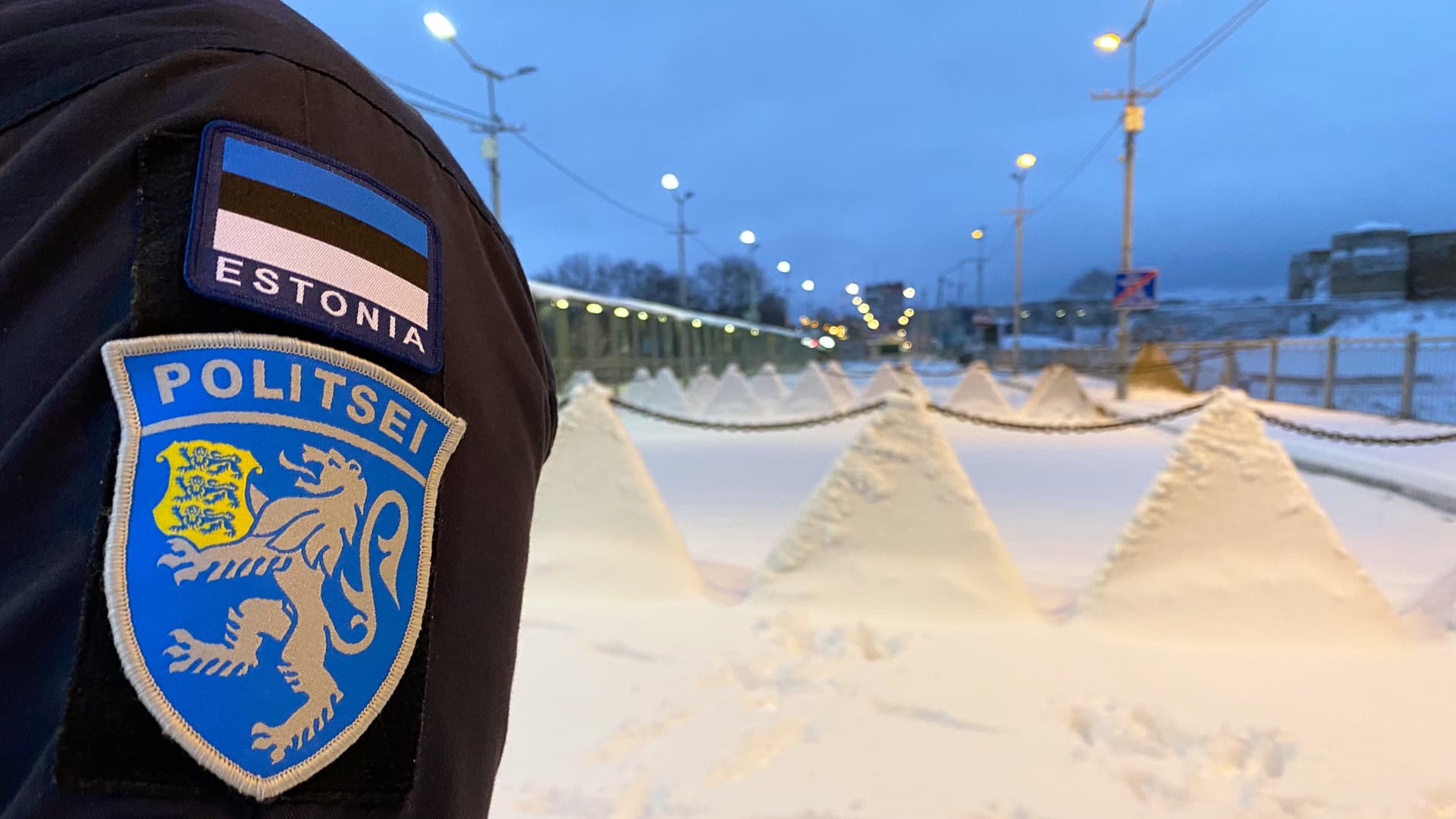

Tensions between Russia and Estonia have escalated significantly following statements by Russia’s Foreign Ministry accusing Tallinn of “hostile actions.” Russia’s outburst comes on the heels of Estonia’s announcement to close its road border crossings with Russia effective December 1. The situation has raised alarms about the potential for a military confrontation as both nations accuse each other of undermining stability in the Baltic region.
| Article Subheadings |
|---|
| 1) Heightened Accusations and Diplomatic Protests |
| 2) Background of Estonia-Russia Relations |
| 3) Broader Implications for NATO and the Baltic States |
| 4) Ukrainian Military Developments and Regional Tensions |
| 5) Prospects for Peace Amid Rising Hostilities |
Heightened Accusations and Diplomatic Protests
In a pointed response to Estonia’s border closure announcement, Russia’s Foreign Ministry has firmly lodged a formal protest. The ministry argued that Estonia’s actions could lead to the “unleashing of open war” between the two nations. They communicated this message to Estonia’s chargé d’affaires, Marek Uhtegi, asserting that such “provocative and extremely dangerous actions” would have serious repercussions. The ministry went further, characterizing the measures taken by the Estonian lawmakers as “Russophobic,” indicating the heightened level of animosity that has developed over recent months.
This situation escalated after Estonia imposed a naval blockade against Russia, which officials claim was a necessary step in response to increasing concerns over national security. In addition, the criticism extended to Estonia’s operations concerning Ukrainian drone flights allegedly using Estonian airspace, which Russia vehemently opposes. By framing the border closure as a hostile act, Russia aims to project strength and assert its stance on the situation in the region.
Background of Estonia-Russia Relations
Estonia, a NATO member, shares a 294-kilometer (183-mile) border with Russia, a geographical reality that has long posed security concerns for the Baltic nation. Historical tensions dating back to the Soviet era have influenced contemporary political relations. After Russia’s full-scale invasion of Ukraine in February 2022, NATO’s eastern flank, which includes Estonia, has been particularly sensitive to threats from Moscow.
Statements by Estonia’s leadership have consistently portrayed Russia as a direct threat to regional stability. For instance, Estonia’s Foreign Minister, Margus Tsahkna, criticized Russian military operations, highlighting incidents such as a thwarted arson attack targeting an Estonian defense company and the use of Russian missiles that have reached neighboring countries. Estonia’s decision to fortify its borders and security measures reflects its commitment to NATO’s collective defense principles, which are anchored in mutual support among member states.
Broader Implications for NATO and the Baltic States
The escalating conflict between Russia and Estonia has raised concerns about a broader regional impact that could influence other NATO nations. The Baltic states—Lithuania and Latvia alongside Estonia—are highly alert to Moscow’s actions, given their own historical experiences with Russian dominance. The collective defense principle enshrined in NATO’s Article 5 underscores the alliance’s commitment to defend each member against aggression, which may compel neighboring countries to reevaluate their own defense arrangements.
Recent diplomatic initiatives have seen Finland, another NATO member, closing its land border crossings with Russia, indicating a unified front among Baltic and Nordic states. Finland’s Prime Minister, Petteri Orpo, has voiced that the situation in Ukraine is bleeding into the immediate vicinity of his nation, reflecting growing fears among Nordic countries of a potential spillover of hostilities.
The NATO alliance has indicated its readiness to support Estonia, with member states affirming their commitment to uphold security in the region. Military exercises, increased troop deployments, and intelligence sharing are themes emphasized in recent conferences among NATO officials, reflecting a robust response to the perceived threat posed by Russia.
Ukrainian Military Developments and Regional Tensions
Concurrent with the tensions between Estonia and Russia, Ukraine has stepped up its military operations against Russian strategic targets, including significant infrastructure such as Russia’s Crimea bridge and military cargo ships. These actions underscore a new phase in the ongoing conflict, where Ukraine seeks to diminish Russian capabilities and assert its reliability as an ally to the West. These operations have been pivotal in illustrating Ukraine’s ability to operationalize its military strategy effectively, even as it continues to rely on support from NATO allies.
Recent developments, including Ukrainian attacks on military vessels and critical infrastructure, have caused considerable unease in the region. Analysts suggest these actions could provoke a robust response from Russia, potentially escalating hostilities further. The evolving dynamics in the Baltic region have not only drawn the attention of regional players but have also raised alarms in Western capitals concerned about the ramifications for European security.
Prospects for Peace Amid Rising Hostilities
Despite the rising tensions, some analysts maintain that there exists a slim possibility for diplomatic resolutions between Russia and Ukraine. As noted by political risk experts, diplomatic channels remain open, albeit fraught with challenges. Continuous military engagements and increasing losses on both sides indicate an urgent need for reassessment of strategies to avoid further escalation of the conflict.
However, the prevailing sentiment remains one of skepticism about the potential for meaningful negotiations any time soon. Russia’s continued aggression and Ukraine’s push to reclaim its territorial integrity indicate that long-term resolutions may be elusive. The call for peace is complicated by heightened distrust and the contrasting narratives presented by both countries, underscoring the difficulty in finding common ground for negotiation.
| No. | Key Points |
|---|---|
| 1 | Russia has accused Estonia of “hostile actions,” raising fears of imminent war. |
| 2 | The Estonian government has responded firmly, framing its actions as necessary for national security. |
| 3 | Estonia’s border closure is a response to alleged Russian sabotage which Moscow denies. |
| 4 | Nordic and Baltic states are unifying their responses to Russian aggression, with increased military readiness. |
| 5 | While tensions rise, some analysts emphasize the importance of maintaining diplomatic channels for future peace negotiations. |
Summary
The recent diplomatic spats between Russia and Estonia mark a perilous chapter in Baltic relations, highlighting the fragile state of security across the region. As both nations escalate rhetoric and military preparedness, the situation remains precarious. The broader implications for NATO and the potential spillover effects into neighboring countries underscore the urgency for the alliance to maintain effective deterrence while exploring diplomatic avenues to de-escalate tensions.
Frequently Asked Questions
Question: What prompted Estonia to close its road border crossings with Russia?
Estonia announced the closure in response to heightened security concerns and allegations of Russian sabotage attempts against its defense sector, aiming to limit Moscow’s ability to conduct hostile activities.
Question: How has Russia reacted to Estonia’s border closure?
Russia’s Foreign Ministry issued a formal protest, accusing Estonia of engaging in “hostile actions” that could potentially lead to open warfare, which they labeled as provocative and dangerous.
Question: What are the implications for NATO in the current crisis between Estonia and Russia?
The crisis has raised alarms within NATO about regional security, prompting increased military readiness and cooperative defense measures among member states to counter potential threats posed by Russian aggression.
