

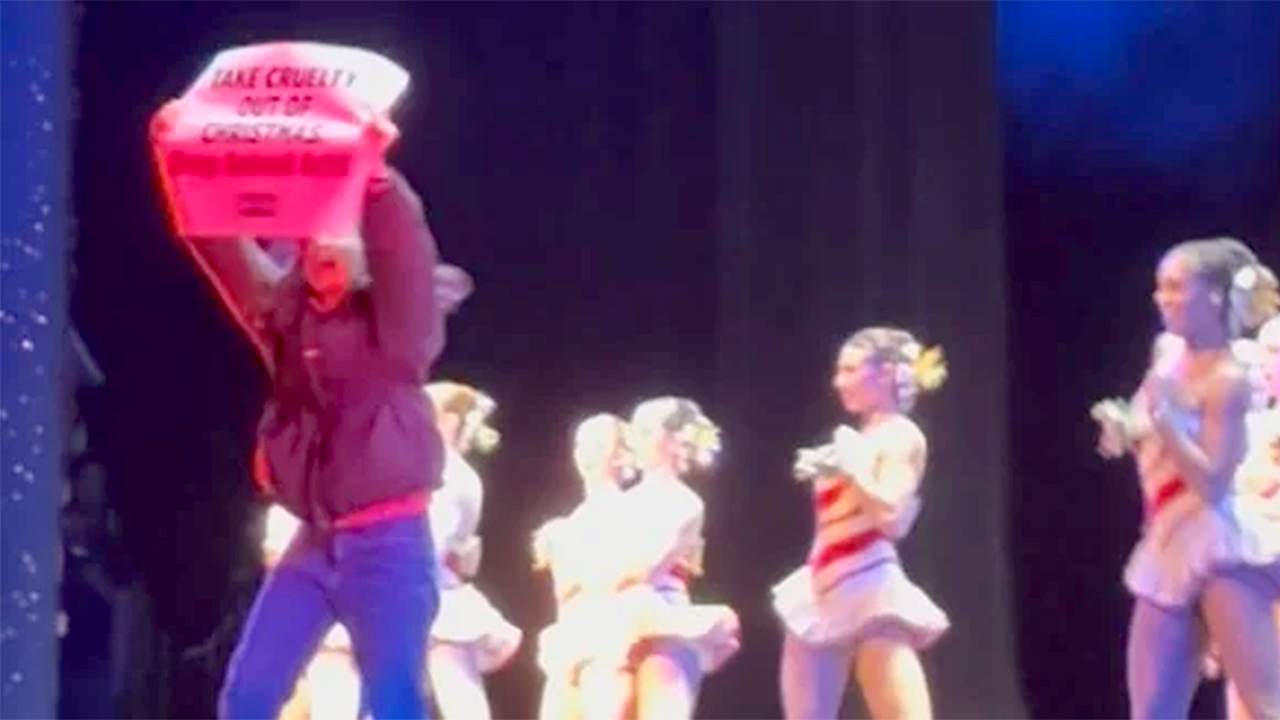

A recent demonstration by PETA activists at the iconic Radio City Music Hall in New York City has sparked a debate over the ethics of using live animals in theatrical performances. The protest took place during the famed “Christmas Spectacular,” which features camels, sheep, and donkeys in its Nativity scenes. Activists are calling on the venue to reconsider its practices, citing concerns for the welfare of the animals as well as the broader implications of using live animals in entertainment.
| Article Subheadings |
|---|
| 1) The PETA Protest: An Overview |
| 2) The Reaction from Radio City Music Hall |
| 3) The Broader Animal Rights Movement |
| 4) PETA’s Past Protests and Current Actions |
| 5) Future Implications for Live Animal Use in Entertainment |
The PETA Protest: An Overview
On a Tuesday evening in December, a trio of activists from PETA interrupted a performance of the “Christmas Spectacular” at Radio City Music Hall. The activists stormed the stage, brandishing signs that read, “Radio City: End Animal Acts Now!” as they chanted their message loudly. The protest was specifically aimed at the inclusion of live animals in the Nativity scenes, which PETA contends is an exploitation of the animals involved.
During the chaos, one protester shouted, “No more animals on stage!” as she made her way to the front of the stage, capturing the attention of both the audience and performers. Another activist urged, “Take the cruelty out of Christmas!” highlighting PETA’s central argument against the use of animals in performances that expose them to distracting and potentially frightening environments.
This protest aligns closely with PETA’s ongoing campaign against the use of live animals in entertainment, where they argue that stage settings with bright lights, loud noises, and large crowds can be highly stressful for the animals involved. Following the demonstration, security quickly removed the protesters from the stage, but the situation raised questions regarding animal welfare practices within the industry.
The Reaction from Radio City Music Hall
In response to the protest, Radio City Music Hall issued a statement condemning the actions of the activists. The venue emphasized that the demonstration posed a risk to performers and disrupted the experience for guests. “We have zero tolerance for this behavior and will pursue all available legal action against anyone who engages in such conduct,” their statement detailed. This reflects Radio City’s commitment to ensuring a safe and enjoyable environment for its audience and performers.
The management of Radio City Music Hall also addressed the allegations made by PETA concerning the treatment of animals used in the show. They asserted that their handling of live animals adheres to all necessary regulations and emphasizes their well-being during the production. While such assertions are standard in the industry, the ongoing scrutiny from activists suggests that the public’s expectations regarding animal treatment are evolving.
The Broader Animal Rights Movement
The demonstration at Radio City Music Hall is more than an isolated event; it reflects a broader shift in public attitudes towards animal rights. Organizations like PETA have been advocating for the ethical treatment of animals in entertainment for decades, increasingly drawing attention to practices considered outdated or inhumane. Their actions highlight the growing awareness and sensitivity surrounding animal welfare in various industries.
Many members of the public now believe that performances can achieve the same emotional and aesthetic effects without employing live animals. Techniques used in productions like Broadway’s “The Lion King,” which features elaborate puppetry, are often cited as proof that engaging audiences is possible without live animal participation. As a result, PETA, along with other advocacy groups, continues to gain traction in their efforts to phase out live animal acts across various venues.
PETA’s Past Protests and Current Actions
PETA has a long history of organizing protests in response to animal exploitation, particularly in the entertainment sector. This recent disruption at Radio City Music Hall forms part of their ongoing strategy to rattle the cages of organizations that utilize animals in shows. The protest at the Christmas Spectacular follows a series of similar actions targeting other venues and performances, showcasing PETA’s commitment to raising awareness about animal rights.
Previous actions by PETA have included letter campaigns, social media blasts, and direct protests at events where live animals are featured. In this instance, PETA had already reached out to the show’s director with a proposal: they offered to sponsor a life-size camel puppet if the production agreed to forgo live animals. This blend of activism coupled with constructive proposals is a hallmark of PETA’s approach, demonstrating their desire not only to protest but to offer solutions as well.
Future Implications for Live Animal Use in Entertainment
The ramifications of the protest at Radio City may extend far beyond this single event. As more organizations and public figures speak out against the use of live animals in entertainment, venues may face increasing pressure to adapt their practices. This shift in public sentiment may catalyze further legislative and regulatory changes regarding the treatment of animals in the entertainment industry.
Moreover, if sponsorships from major brands and corporations are withdrawn—as PETA has urged with companies like Chase and Verizon—performances that continue to rely on live animals may face financial instability. The ongoing dialogue around animal welfare is shaping the future of the theater industry, and Radio City Music Hall may represent just the beginning of a larger conversation about ethical standards in performance arts.
| No. | Key Points |
|---|---|
| 1 | PETA activists interrupted the Christmas Spectacular to protest the use of live animals. |
| 2 | The protest highlighted concerns regarding animal welfare and stress during performances. |
| 3 | Radio City Music Hall condemned the protest and emphasized their commitment to performer and guest safety. |
| 4 | PETA’s campaign aligns with a growing public sentiment against the use of live animals in entertainment. |
| 5 | The future of live animal use in performances may face significant scrutiny and potential changes. |
Summary
The protest at Radio City Music Hall underscores a critical moment in the ongoing discourse surrounding animal rights in the entertainment industry. As activists push for change and the public increasingly advocates for ethical treatment of animals, venues like Radio City may need to reassess their practices. This situation not only reflects the moral complexities involved in live performances but also indicates a broader societal shift towards accountability in entertainment.
Frequently Asked Questions
Question: Why did PETA protest at Radio City Music Hall?
PETA protested due to the use of live animals in the Christmas Spectacular’s Nativity scenes, arguing that it exploits the animals involved and subjects them to potentially stressful conditions.
Question: What actions did the protesters take during the performance?
The activists rushed onto the stage holding signs and shouting phrases advocating for the end of animal acts, disrupting the show temporarily until they were removed by security.
Question: How has Radio City Music Hall responded to the protest?
Radio City Music Hall condemned the protest as endangering performers and guests, emphasizing a zero-tolerance policy for such disruptions and affirming their commitment to safety and regulations regarding animal welfare.
