

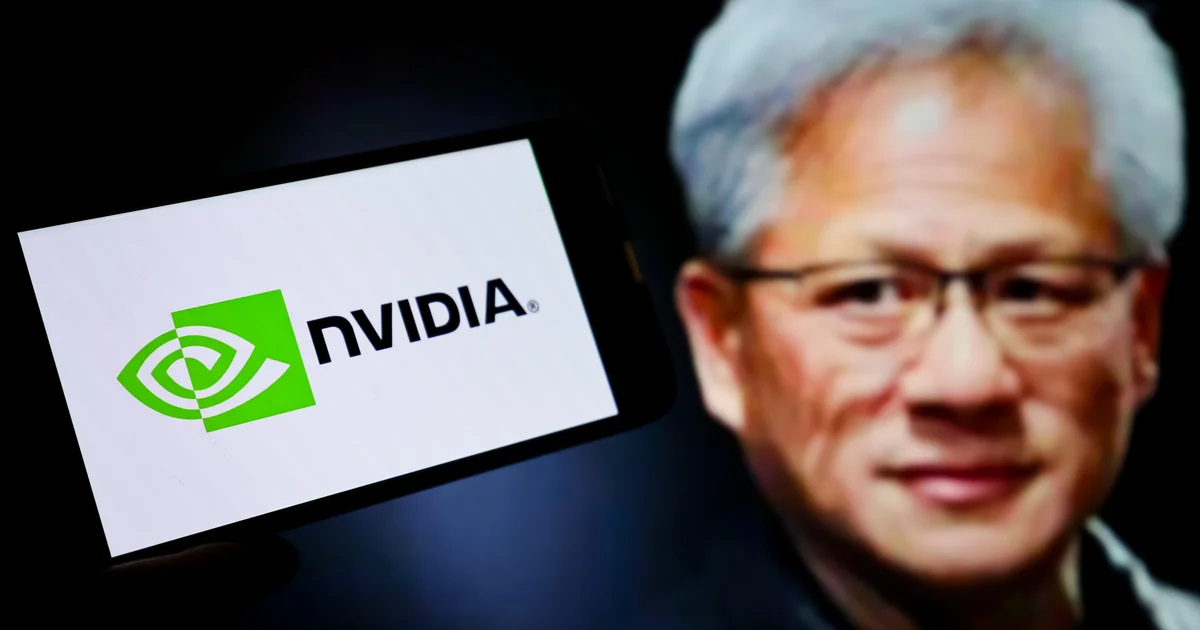

The recent reinstatement of Jensen Huang, CEO of Nvidia, has stirred considerable controversy and intrigue in the tech industry. After a brief resignation amidst allegations of personal and operational missteps, Huang’s return raises significant questions regarding corporate governance and national security implications. As Nvidia navigates the complexities of its relationship with China and addresses the concerns of lawmakers, experts highlight the challenges and legal ramifications that could shape the company’s future.
| Article Subheadings |
|---|
| 1) Did Nvidia compromise U.S. national security? |
| 2) Will Nvidia’s board face legal issues? |
| 3) Will Nvidia face new U.S. export restrictions? |
| 4) Can Huang ease investor fears about an AI bust? |
| 5) What is Nvidia’s succession plan? |
Did Nvidia compromise U.S. national security?
A cloud of suspicion looms over Nvidia as the company grapples with allegations of compromising U.S. national security. Central to these allegations is the relationship between Jensen Huang and a Chinese businesswoman associated with one of Nvidia’s major customers, the Singapore-based data center company Megaspeed. U.S. intelligence suspects this relationship might be linked to espionage activities aimed at transferring sensitive technology to China. Reports suggest that Megaspeed may have engaged in the smuggling of Nvidia’s advanced chips to China, thereby violating U.S. export laws.
Huang’s scheduled appearances before congressional panels on December 1-2 represent a critical juncture for the company. Lawmakers seek clarity on Nvidia’s interactions with China and whether appropriate measures were in place to safeguard national interests. As the Republican chairs of the House committees indicate, the internal investigation concluding with Huang’s reinstatement does not alleviate the pressing security concerns surrounding the company’s ongoing operations.
Will Nvidia’s board face legal issues?
In addition to questions about national security, Nvidia’s board now faces the potential for legal challenges following Huang’s reinstatement. Governance experts, including Charles Elson of the John L. Weinberg Center for Corporate Governance, anticipate a wave of shareholder lawsuits. These suits may center around allegations that Nvidia failed to disclose prior concerns related to Huang’s relationships and the company’s operational links to China.
Shareholders are likely to argue that Nvidia’s management did not act with full transparency, particularly regarding the implications of Huang’s personal connections within the company. This concern is compounded by prior legal challenges faced by Nvidia, including a current lawsuit wherein shareholders allege that the company withheld critical information pertaining to Huang’s relationships with executives linked to Megaspeed. Analysts are cautioning that the legal ramifications of these allegations could create ongoing distractions for Nvidia as it seeks to stabilize its leadership structure.
Will Nvidia face new U.S. export restrictions?
The implications of Huang’s return extend beyond the courtroom into the arena of international trade. Experts predict that Nvidia is likely to encounter heightened scrutiny and regulatory challenges from U.S. authorities regarding the export of its chips to China and Southeast Asia. In light of recent policy shifts from the Commerce Department aimed at limiting U.S. chip sales in the region, the company may find its market opportunities severely curtailed.
Analysts, including Cody Acree from StoneX equity research, emphasize that forthcoming restrictions will focus on ensuring that proprietary technology does not end up in the hands of Chinese firms. As Huang has lobbied for dispensation to sell advanced chips to China, his advocacy efforts may be severely tested as geopolitical tensions persist. Future compliance with stricter export controls could restrict Nvidia’s operational capacity, ultimately affecting its revenue streams.
Can Huang ease investor fears about an AI bust?
Despite the tumultuous backdrop, Huang’s return has been seen as a beacon of hope by investors. Nvidia’s reputation as a vital player in the burgeoning field of artificial intelligence (AI) financing positions it uniquely within the tech industry. Huang’s strategic involvement in fostering partnerships and investments, such as those with OpenAI, illustrates Nvidia’s significance in creating a thriving ecosystem that supports AI development.
Yet, challenges endure. Investors remain wary of a potential decline in AI spending, questioning whether the current surge in investment can be sustained. As highlighted by analysts like James Reilly from Capital Economics, concerns over whether AI companies can yield profitable returns loom large. Huang’s leadership may alleviate some investor anxieties regarding the continuation of financing arrangements; however, widespread unease persists about the broader sustainability of the AI boom.
What is Nvidia’s succession plan?
The absence of a clear succession plan significantly complicates Nvidia’s corporate landscape. Following Huang’s temporary resignation, it became evident that the company lacked a contingency strategy for leadership transition. Experts such as Charles Elson suggest that the board’s immediate priority should be to establish a robust succession framework, potentially enlisting outside consultants to guide the process.
Nvidia’s corporate culture and structure have heavily centered around Huang’s leadership style, resulting in operational dependencies that could pose risks should he ever become unable to fulfill his role. Recognizing the high-profile nature of tech CEOs, as pointed out by analysts like Cody Acree, can inform decisions moving forward. While navigating the intricacies of leadership transition remains a challenge common in Silicon Valley, ensuring that Nvidia is prepared for the unexpected is paramount for its future stability.
| No. | Key Points |
|---|---|
| 1 | Jensen Huang’s return raises national security concerns due to allegations of ties with China. |
| 2 | Shareholder lawsuits may arise over the board’s failure to disclose potential conflicts of interest. |
| 3 | Nvidia faces potential new export restrictions that could limit its market for advanced chips. |
| 4 | Concerns about the sustainability of AI investment remain prevalent among investors. |
| 5 | Nvidia must develop a succession plan to prepare for any future leadership changes. |
Summary
The reinstatement of Jensen Huang as CEO of Nvidia signals a pivotal transitional period for the company amidst numerous challenges. As it confronts allegations regarding national security, potential legal issues with shareholders, and a tightened regulatory landscape, the path forward for Nvidia remains fraught with complexity. Huang’s leadership will be key in reassuring investors and fortifying the company’s strategic positioning in the AI sector, while also necessitating a concerted effort to develop a coherent succession plan for future stability.
Frequently Asked Questions
Question: What are the allegations against Nvidia related to national security?
The allegations primarily concern Nvidia’s ties with a Singapore-based company and its connections to a Chinese businesswoman, raising suspicions of espionage and the illegal transfer of technology to China.
Question: What potential legal challenges might Nvidia’s board face?
Nvidia’s board may face shareholder lawsuits questioning the disclosure of personal relationships within the company and operational links to China, possibly leading to claims of failure in governance.
Question: How might U.S. export restrictions impact Nvidia’s operations?
Increased scrutiny and potential restrictions on the export of advanced chips to China and Southeast Asia may shrink Nvidia’s market opportunities and challenge its profitability in those regions.
